News

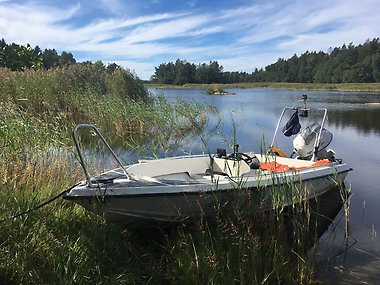
  • Enclosed bays are most sensitive to disturbance from motorboats

    Researchers working on the ‘Thriving Bays’ project have investigated which environments in shallow coastal areas of the Baltic Sea are most sensitive to disturbance from motorboats. The results show that the risk for boat-related impact is highest in the most enclosed bays, where extensive sediment resuspension from boat propellers can cause adverse effects on the aquatic environment and vegetation. In these bays, measures to mitigate disturbance from motor boats could be one way of protecting sensitive bottom vegetation.

    Stockholm University Baltic Sea Centre
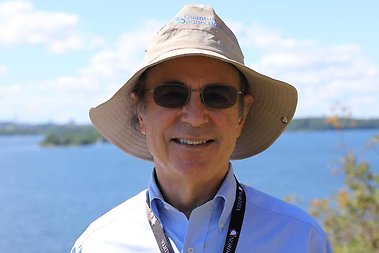
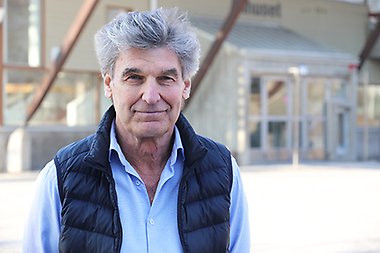
  • Vacuum fluctuations can enhance superconductivity

    Researchers have experimentally demonstrated for the first time that vacuum fluctuations can enhance superconductivity. Nobel Prize laureate Frank Wilczek, professor at Stockholm University, helped develop the theoretical model behind the findings. This work opens up for new ways to influence quantum states.

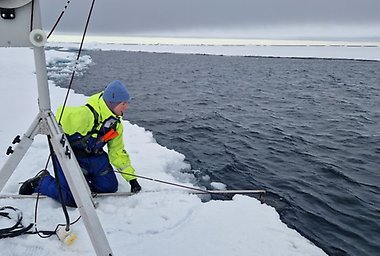
  • Expedition Arctic Ocean 2026, blog post 5: Life on Oden

    Today we publish a collection of stories written by our researchers on Oden, August 15, 2026. Hanna Winge becomes stranded on an ice floe as the mist rolls in, Irene Bellagente has to repair a broken aerosol research instrument, Linnea Huusko explores the on-board gym and Matthew Shupe shares his thoughts on the mood of the crew.

    Department of Meteorology
  • Article in The Guardian

    The threatening thaw: climate professor on heatwave risks to tipping point of permafrost

    Bolin Centre for Climate Research
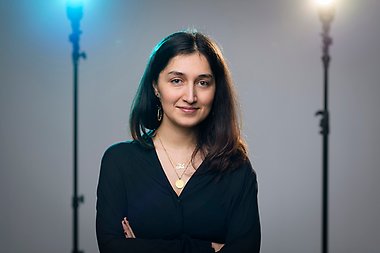
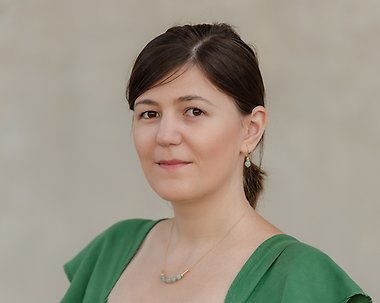
  • Sonia Giurumescu, PhD candidate in economics at Stockholm University

    Sonia Giurumescu: New technologies and economic change shape societies

    New technologies and economic changes can have unexpected consequences for people and societies. In her dissertation in economics, Sonia Giurumescu examines how internet access, changing incomes and political institutions affect fertility, gender norms, health and political participation.

    Department of Economics
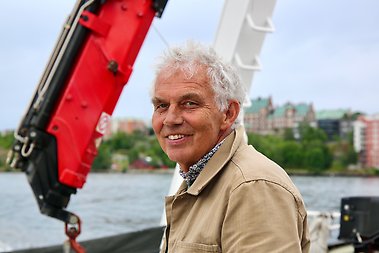
  • Baltic Sea Prize award to fisheries researcher Henrik Svedäng

    Cheers erupted at the Baltic Sea Centre upon hearing the news that our long-standing colleague Henrik Svedäng has been awarded the Björn Carlson Östersjöpris 2026. “This was truly wonderful and well-deserved,” says Tina Elfwing, director of the centre. “I have always held Henrik Svedäng in high regard for his independent and courageous thinking.”

    Stockholm University Baltic Sea Centre
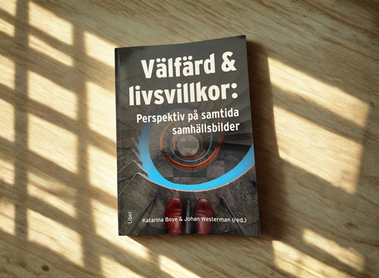
  • New book examines perceptions of Sweden – what does research tell us about living conditions?

    How accurate are our perceptions of contemporary Sweden? A new book examines common perceptions of poverty, health, social relationships and working life, drawing on more than 50 years of data on people’s living conditions. The findings show, among other things, that economic hardship has declined over the period despite growing income inequality, and that mental health problems have increased sharply among younger generations.

    Swedish Institute for Social Research
  • Roine Vestman, Professor of Economics at Stockholm University

    Lower mortgage rates or higher interest rates?

    The Swedish Social Democrats has proposed a temporary bank tax that it says would lead to lower mortgage rates, while Moderaterna argues that banks would compensate by raising mortgage rates. Roine Vestman, Professor of Economics at Stockholm University, is interviewed by Svenska Dagbladet and points to three possible effects of the proposal.

    Department of Economics
  • International Polar Year 2032–2033

    On 29 September 2026, the Swedish Polar Research Secretariat and a number of Universities and Institutes will host the Swedish National IPY V Scoping Workshop.

    Bolin Centre for Climate Research
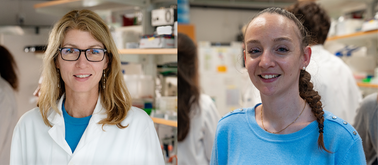
  • New tool measures the biological age of cells

    Researchers at Stockholm University and Karolinska Institutet have developed a new tool that estimates a cell’s biological age by analysing its gene activity. In the journal Advanced Science, they also demonstrate how the tool can be used to identify substances that influence cellular ageing.

  • A Medieval Summer: Report by Kurt Villads Jensen

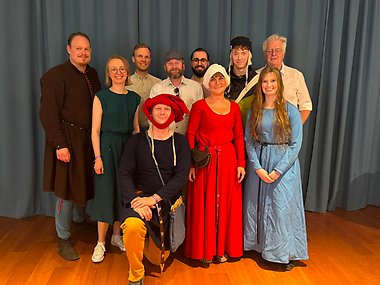
    Kurt Villads Jensen, professor of history at the Department of History and head of the Centre for Medieval Studies gives his report of a summer brimming with medieval activities.

    Centre for Medieval Studies
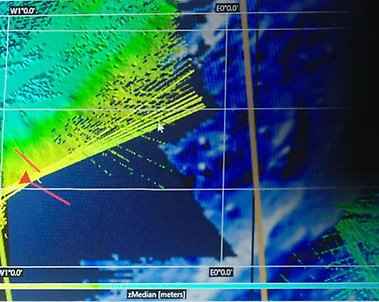
  • Understanding the Seabed Beneath the Cable

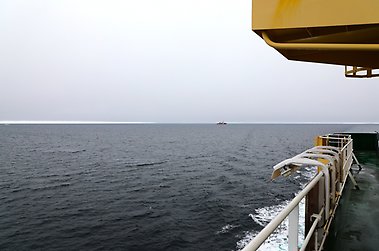
    The icebreaker Oden and the Canadian Coast Guard vessel CCGS Louis S. St-Laurent are carrying out a joint expedition in the Arctic Ocean to map the seafloor as part of the United Nations Convention on the Law of the Sea (UNCLOS).

    Department of Geological Sciences
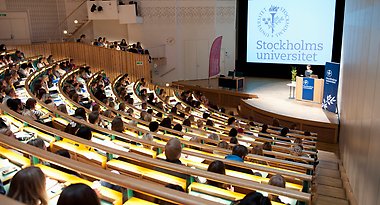
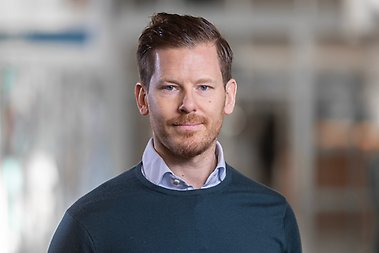
  • Cybersecurity experts fill Aula Magna

    CyberSweden 2026, a national research conference on cybersecurity, will take place at Stockholm University on 15–17 September. Fredrik Blix shares his expectations and what he believes will be the highlights of the conference.

    Department of Computer and Systems Sciences
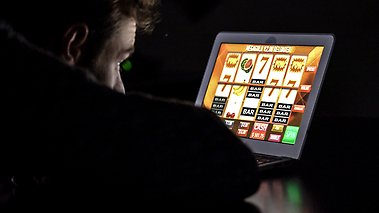
  • Man with glasses in front of online casino slot machine on laptop computer at night

    Gambling problems affect more than the person who gambles

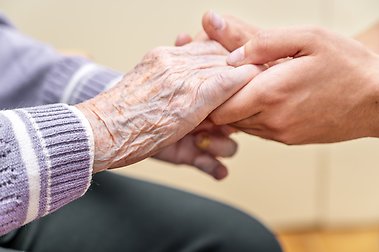
    More than one in ten people in Sweden say that someone close to them has experienced gambling problems. Among younger people, the figure is around 16 per cent. People close to someone with gambling problems are more likely to experience mental health difficulties, risky behaviours and relationship problems. Some consequences can persist even after the gambling problems have ended. This is shown by two new studies from Stockholm University.

    Department of Public Health Sciences
  • On board Oden

    Stockholm researchers map the Arctic seabed

    This summer, the icebreaker Oden is once again on expeditions in the Arctic. The focus is on mapping the seabed for a fibre cable as well as research projects and a graduate school. Around ten researchers and doctoral students from Stockholm University are on board.

  • Launch of the WISE Research Technology Platfrom CircuLab

    CircuLab is a Research Technology Platform (RTP) funded by funded by WISE and Stockholm University for the synthesis, processing and application of sustainable materials, accelerated by integrated AI workflows. CircuLab is an open hub for academia, start-ups and industries.

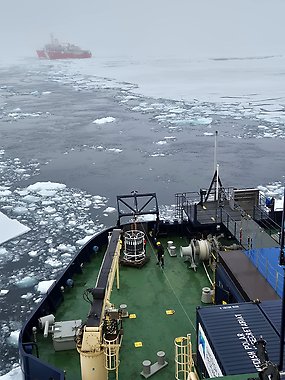
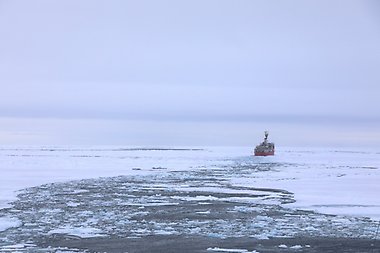
  • Image: The Icebreaker Louis S. St. Laurent can be seen from Oden as they move northward in the Arctic sea ice.

    Expedition Arctic Ocean 2026, blog post 3: Melt On Hold?

    Surely it must be melting? As we are moving northward in our journey I’m surprised to find almost no active melt ponds on the sea ice. Instead, in the middle of August, the ice floes are the bright white of fresh snow; The surface reflecting as many photons as it can to preserve the ice from its potential future demise.

    Department of Meteorology
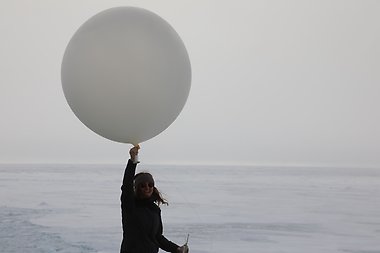
  • Woman holding a large gray-white balloon over her head, ready to release.

    Expedition Arctic Ocean 2026, blog post 2: Balloons!

    One of the things we in the met team do is launch radiosondes (weather balloons). A radiosonde is a small instrument that is attached to a helium-filled balloon. The balloon is released and allowed to rise through the atmosphere. As it rises, the instrument measures the temperature, wind speed and direction, and relative humidity. On Oden, we release radiosondes four times a day, every day, at 00:00, 06:00, 12:00, and 18:00.

    Department of Meteorology
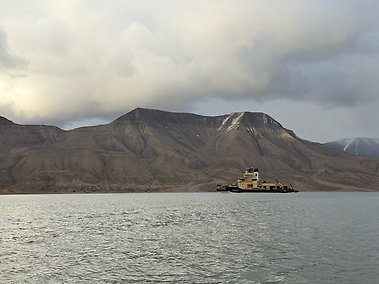
  • Image 1: I/B Oden, anchored outside Longyearbyen, Svalbard.

    Expedition Arctic Ocean 2026, blog post 1: Boarding Oden

    On Monday evening, we arrived in Longyearbyen and boarded I/B Oden to start our six-week journey into the Arctic. We got to the ship in the evening, around 21:00, tired after travelling all the way to Svalbard (some of us from Sweden, some all the way from Canada), but you probably couldn’t tell. The energy in the group was bubbling; I was giddy with excitement about finally getting to start the expedition!

    Department of Meteorology
  • Three happy girls with laurel wreaths.

    Celebrate your doctoral degree

    On 25 September, new doctoral graduates will be celebrated at Stockholm University’s annual inauguration of new professors and conferment of doctoral degrees ceremony in Stockholm City Hall.

  • Immune molecules play a limited role in ALS progression

    Immune-related molecules change in motor neurons affected by amyotrophic lateral sclerosis (ALS), but they do not appear to be major drivers of disease progression. The findings, published by researchers at Stockholm University, provide new mechanistic insights into disease pathology in ALS.

    Department of Biochemistry and Biophysics
  • Hands holding wine glasses, toasting

    Alcohol Can Both Support and Undermine Young People's Well-being

    Young people's use of alcohol — and other substances such as cannabis — is often discussed primarily in terms of risks and negative consequences. A new study from the Department of Public Health Sciences at Stockholm University suggests a more complex picture. While substance use can be linked to harm, it may also be associated with positive experiences. The researchers stress that their findings should not be interpreted as an endorsement of alcohol or drug use. Rather, they argue that a more nuanced understanding is needed to explain how substance use affects young people's well-being and changes over time.

    Department of Public Health Sciences
  • David Seim, Professor of Economics at Stockholm University.

    Research shows that the wealthiest pay less tax

    New research shows that the wealthiest 5,000 households in Sweden pay, on average, only 20–25 per cent in tax. David Seim, Professor of Economics at Stockholm University, writes about the findings in Dagens Nyheter together with Marius Ring and Gabriel Zucman.

    Department of Economics
  • Torsten Persson on the rise of new political parties

    In an interview with CorD Magazine, Professor Torsten Persson discusses why new political parties emerge and how they reshape political competition and representation.

    Institute for International Economic Studies