


Sonia Giurumescu: New technologies and economic change shape societies
New technologies and economic changes can have unexpected consequences for people and societies. In her dissertation in economics, Sonia Giurumescu examines how internet access, changing incomes and political institutions affect fertility, gender norms, health and political participation.
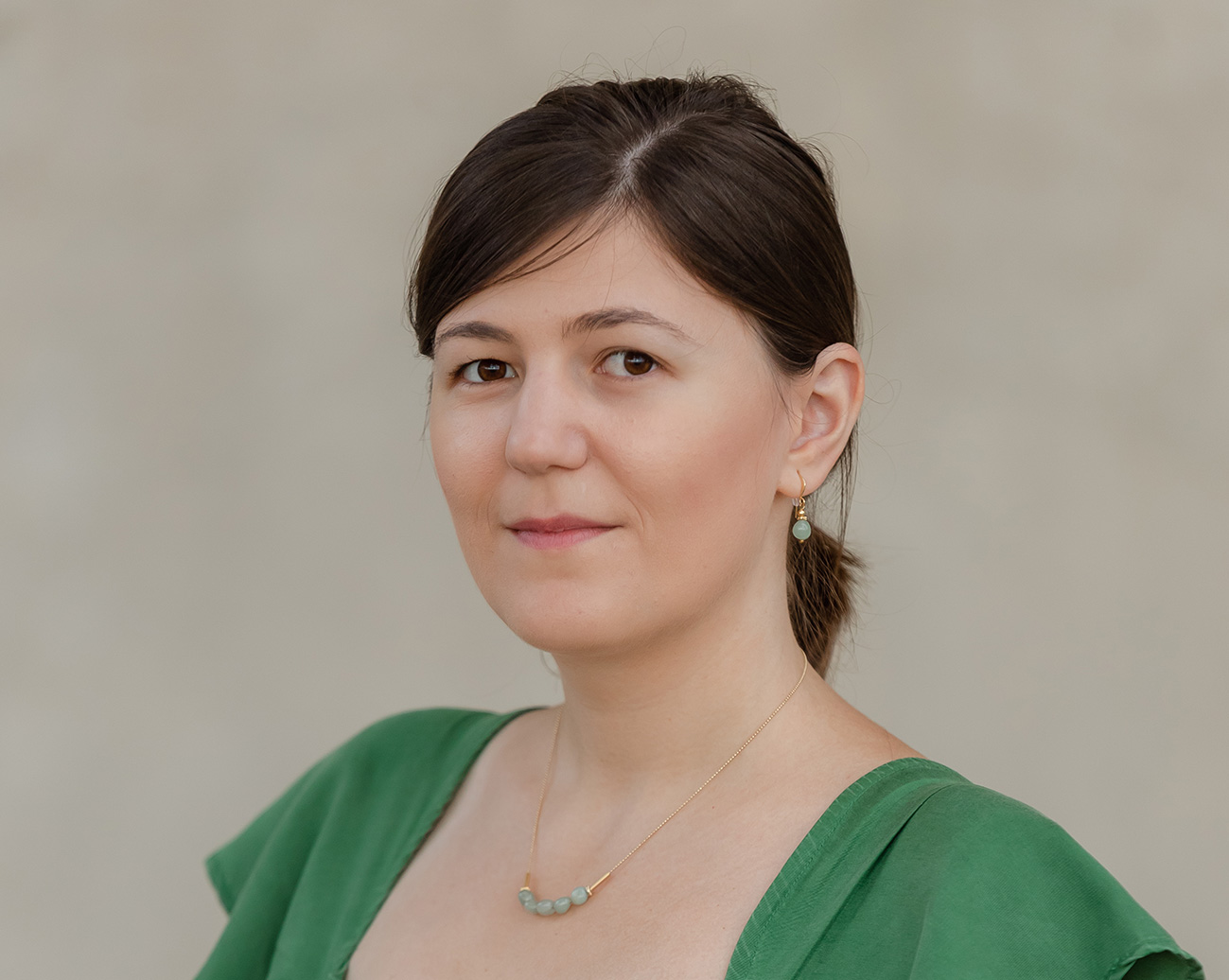
Sonia Giurumescu, PhD candidate in economics at Stockholm University.
What were the main problems or questions you wanted to investigate?
“My research examines how new technologies and institutions reshape societies. Across four chapters, I look at how changes in access to information, social interaction and economic opportunities affect behavior, norms and long-run development.”
“Two chapters focus on the arrival of the internet in Africa between 2000 and 2020, examining its effects on fertility, child health and attitudes towards intimate partner violence. Another paper asks whether the source of income matters for fertility, while the final chapter turns to political institutions and examines why nineteenth-century British elites chose to extend the vote.”
What do you consider the most important results of your dissertation?
“The central lesson is that the effects of a shock depend on the social and institutional context in which it takes place – and not simply on its effect on income.”
“One of the main findings is that the introduction of 3G mobile broadband in Africa increased fertility by about four per cent. Rather than being driven by higher incomes, the effect was largely social: better connectivity made it easier to meet and form partnerships, leading more women to become mothers who otherwise would have remained childless. At the same time, child mortality increased by around ten per cent in areas where fertility rose, as health services struggled to keep up with the increased demand.”
“Other chapters show similar complexities. Taken together, the findings show that technological and economic change can create both opportunities and vulnerabilities, depending on the context.”
How could your findings be used in practice?
“The findings suggest that policymakers need to consider the wider social consequences of technological and economic change, rather than looking at each development in isolation.”
“For example, digital infrastructure can have consequences for fertility and child health, meaning that investments in connectivity may need to be accompanied by investments in maternal and child healthcare. Similarly, policies that aim to influence attitudes through internet access should recognize that people may respond differently depending on gender and social context.”
“The research on agricultural income also suggests that it is not only the size of an income gain that matters, but how that income is generated. More broadly, the practical message is to ask who responds, through which channel, and whether institutions can adapt quickly enough before predicting the effects of a major technological or economic change.”
Dissertation defence on 26 August 2026
Sonia Giurumescu’s dissertation defence takes place on Wednesday 26 August, at 10:00 in hörsal 12, Södra huset F, Stockholm University. The defence is open to the public.
Find Sonia’s dissertation here:
From Households to Elites: Essays on Economic Conditions, Information and Behaviour
Last updated: 2026-08-24
Source: Department of Economics