News

  • Honorary Doctor Stéphane Horel on PFAS, pollution and industry influence

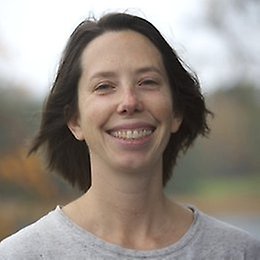
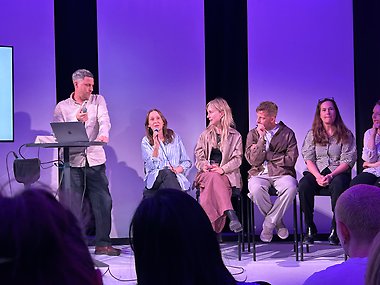
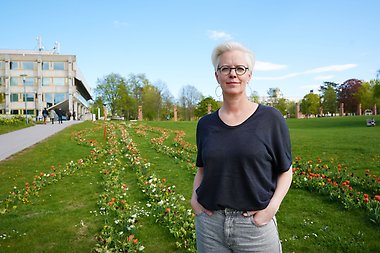
    An interactive map of the thousands of PFAS -contaminated sites in Europe, and an estimated two trillion euros needed to remediate just 2% of this pollution. That is just a fraction of what Stéphane Horel, journalist from Le Monde, uncovered through “The Forever Pollution Project” and her follow-up “The Forever Lobbying Project”. At the honorary doctorate seminar at Stockholm University, she explained how an investigation built on collaboration between journalists and researchers across Europe, brought one of Europe’s largest pollution crises into public view.

    Department of Environmental Science
  • Stockholm University Ranked 25th in the World in Environmental Science

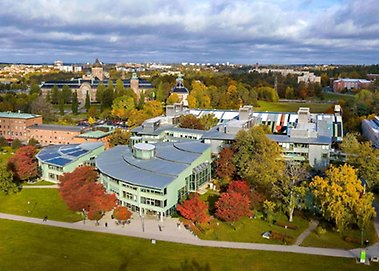
    Stockholm University has been ranked 25th globally in Environmental Science & Engineering in the 2026 Academic Ranking of World Universities by Subject, commonly known as the Shanghai Ranking. This places the University among the top institutions worldwide for research excellence in environmental science.

    Department of Environmental Science
  • Expedition Arctic Ocean 2026, blog post 5: Life on Oden

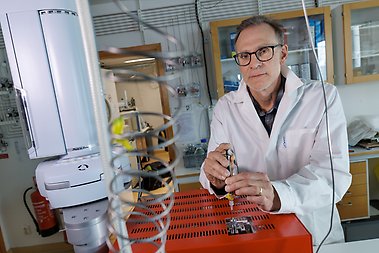
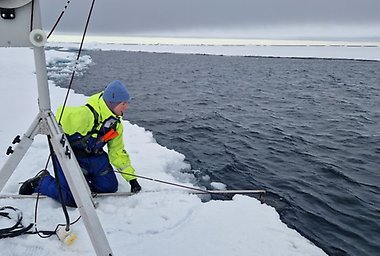
    Today we publish a collection of stories written by our researchers on Oden, August 15, 2026. Hanna Winge becomes stranded on an ice floe as the mist rolls in, Irene Bellagente has to repair a broken aerosol research instrument, Linnea Huusko explores the on-board gym and Matthew Shupe shares his thoughts on the mood of the crew.

    Department of Meteorology
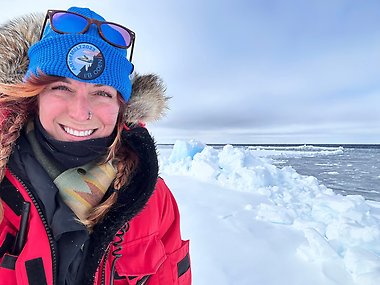
  • Image: Linnea installing a sensor to measure temperature and moisture on top of I/B Oden.

    First Journeys North: MISU PhD Students Join Veteran Researcher on Arctic Expedition

    In September, the Icebreaker Oden will once more set out on a journey to the Arctic region. On board, a mix of PhD students and researchers will engage in research and education, and a mission to map the seafloor. Meet MISU researcher Matthew Shupe and two MISU students who are presently preparing for the journey ahead. “This is a great opportunity to build new research capacity by bolstering the next generation of polar scientists,” Matthew explains.

    Department of Meteorology
  • Investigating methane – a gas that could decide our future climate

    As Arctic permafrost thaws, emissions of methane – a potent greenhouse gas – are rising. Örjan Gustafsson and his colleagues at Stockholm University are now investigating methane emissions from permafrost in the Arctic seabed. Their findings will provide a clearer picture of the global methane balance, and help societies to prepare for an increasingly vulnerable climate.

  • Understanding Earth’s energy balance: the science behind the 2026 Crafoord Prize

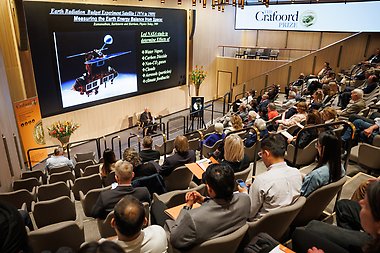
    Clouds above the Pacific, soot drifting from agricultural fires, polluted sea spray rising from warming oceans. At this year’s Crafoord Prize Symposium in Geosciences in Stockholm, leading climate researchers gathered to explore one of the defining scientific questions of our time: how aerosols, clouds and other climate pollutants are reshaping Earth’s energy balance, and what that means for societies around the world.

    Department of Environmental Science
  • From stage make-up to public tool: New app scans cosmetic ingredients

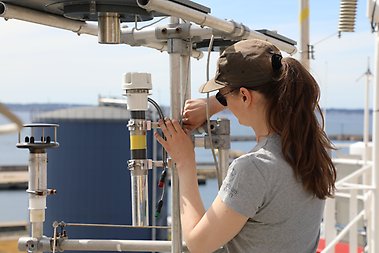
    A new web app developed by the Royal Dramatic Theatre in collaboration with Stockholm University enables users to quickly access information about potentially harmful substances in cosmetic products. The tool, Kosmetikakollen, is based on research in environmental risk assessment and environmental chemistry, making advanced scientific knowledge accessible to the general public.

    Department of Environmental Science
  • Grant to recruit international guest researcher

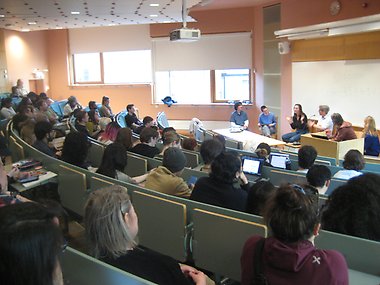
    The Swedish Research Council has decided which higher education institutions will receive funding within the call for Grants to recruit international guest researchers to Sweden 2026. One grant goes to Stockholm University, to recruit Jessie Creamean from the USA.

    Department of Environmental Science
  • “Collaboration within Europe is an important piece of the puzzle”

    “On our interdisciplinary master’s programme TRACEE, students get to live and study in three different European countries during their education. In addition to subject knowledge, they learn to see things from vastly different perspectives. Hopefully, that creates humility and diversity,” says Anna Sobek, Professor and Head of the Department of Environmental Science.

    Department of Environmental Science