


Frida Bender awarded Formas funding for research on climate intervention
Can we deliberately influence the climate to slow warming — and should we? These are the central questions in a new interdisciplinary research project led by Frida Bender, professor of climate modelling at the Department of Meteorology.
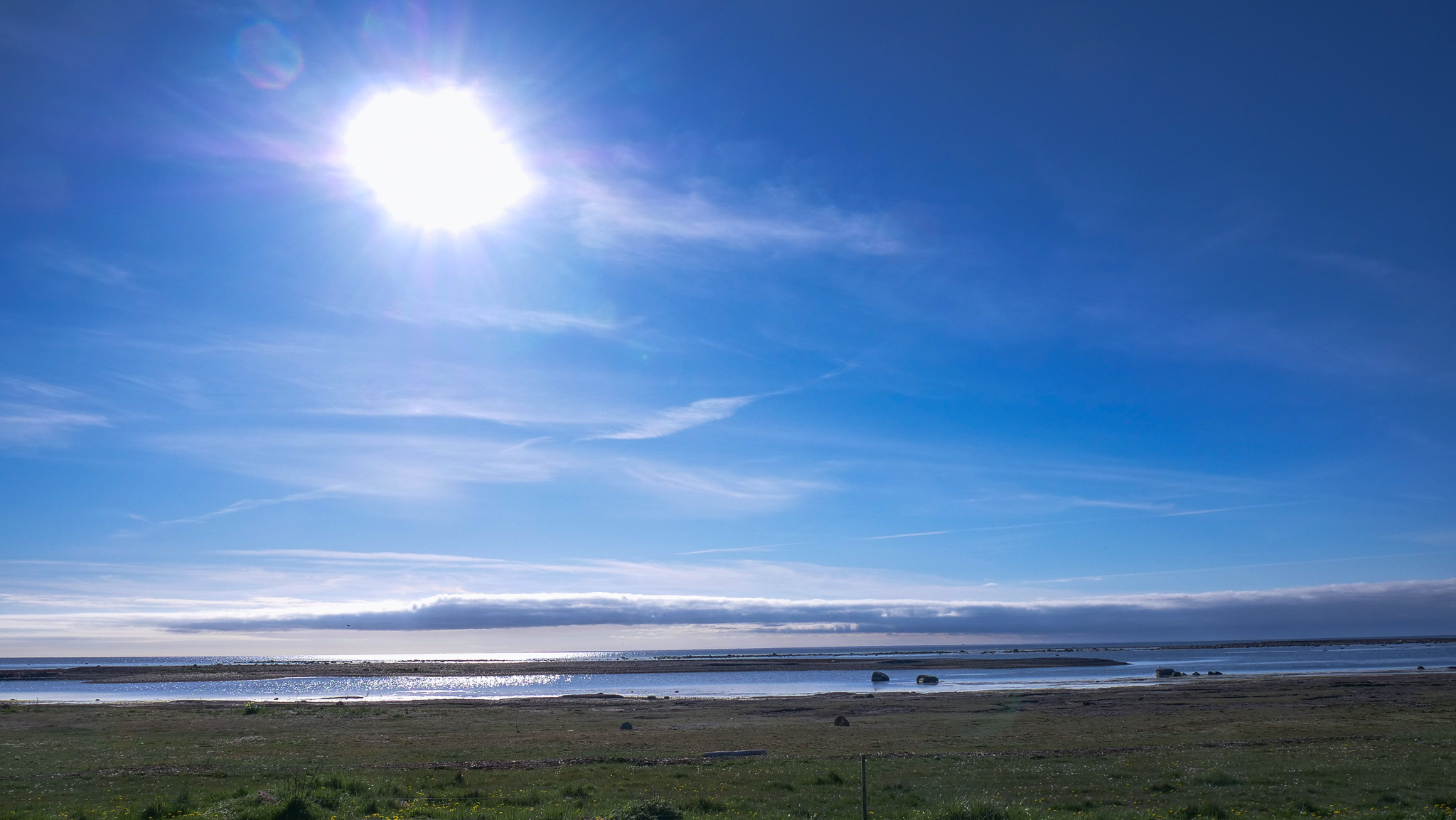
The project has been granted funding from Formas and focuses on a much-debated method called Marine Cloud Brightening (MCB). The idea is to disperse aerosols, primarily sea-salt particles, in the lower atmosphere over the ocean in order to make clouds brighter and more reflective. Brighter clouds would reflect more solar radiation back out into space and thereby have a cooling effect on the climate.
Among other things, the research group will analyse historical situations in which nature or human activity has unintentionally created conditions that — like MCB — made clouds brighter, for example large volcanic eruptions or periods with unusually high concentrations of particles in the atmosphere. How did the clouds and the climate respond then?
The answers can provide valuable clues about what a deliberate manipulation of clouds would entail, and help the researchers calibrate their models ahead of simulations of hypothetical MCB scenarios.
But the project does not stop at the natural-science questions. A central ambition is to weigh potential risks against possible benefits, to examine whether such interventions can be carried out ethically, and what happens if individual states act without international coordination. The project is a collaboration between climate scientists, philosophers and political scientists, with Orri Stefánsson from the Department of Philosophy at Stockholm University and Victor Galaz from the Stockholm Resilience Centre as co-applicants.
"We don't want to give a recommendation for or against MCB, but rather to contribute to a scientific basis that makes it possible to make more well-founded decisions," says Frida Bender.
Frida Bender.
Last updated: 2026-06-18
Source: MISU