Global warming stems from the difference between incoming solar and outgoing reflected and infrared radiation, causing energy buildup and climate impacts like rising temperatures and sea levels. In 2023, this imbalance reached a new record high, twice that of the IPCC best estimate. Improved understanding and monitoring are urgently needed.
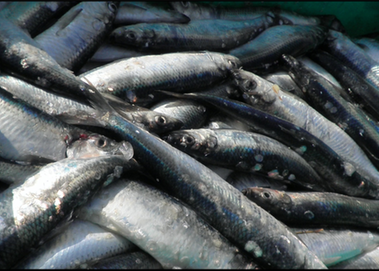
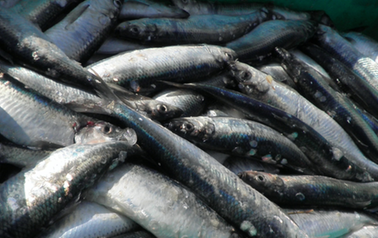
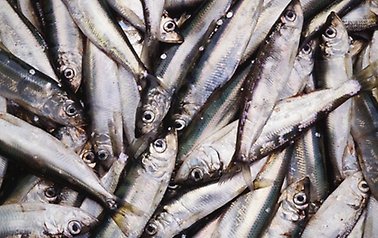
Total allowable catches (TAC) for the herring in the Gulf of Bothnia would have to be cut by 62 per cent next year in order to comply with the European Union’s rules for highest acceptable risk. That is one conclusion from the assessment of fish stocks and forecasts over maximum sustainable yields presented by scientists at the International Council for Exploration of the Sea (ICES) on Wednesday 28 May.
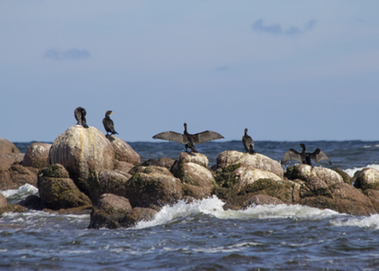
Seals and cormorants eat fish, which can have a negative impact on local coastal stocks of perch, pike and other large predatory fish. Recently, however, seals and cormorants are increasingly being associated with the problems of the Baltic's large herring stocks. ‘There is no scientific basis for this,’ say researchers.
The right measure, in the right place, with the right design, is crucial to successfully reduce diffuse nutrient inputs from land into the Baltic Sea. This is shown by the latest study from the Living Coast project. The study also shows that it is difficult to capture nutrients in the short term once they have entered the waterways, and that some measures need maintenance to avoid becoming counterproductive.
As concerns over the situation of herring and sprat in the Baltic Sea increase, more attention is directed towards the fact that a large portion of the fish caught is used for industrial purposes such as fish meal. Some ask how this can be allowed by the EU. A historical review shows that Sweden played an important role in lifting the previous ban on targeted fishing for industrial use.
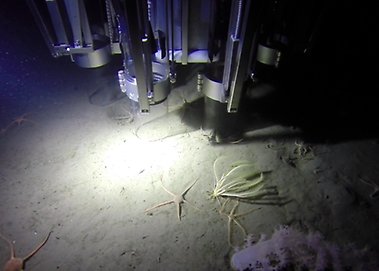
Deep soft bottoms are of vital importance for the functioning of the whole marine ecosystem and for long-term carbon storage. This is emphasised by researchers from several different departments at Stockholm University in a new policy brief. They stress that EU Member States must be better at protecting these habitats in the Baltic and North Sea.
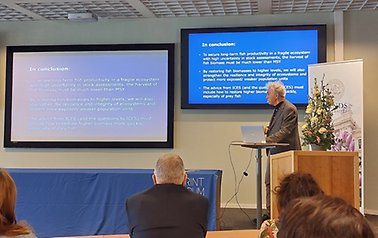
The special challenges of the Baltic Sea make the fish stocks particularly vulnerable, and require more careful management and a sharp reduction in fishing pressure. This was the message from the Baltic Sea Centre's researchers to the new EU Commissioner Costas Kadis, who visited Sweden last week.
What was initially proposed as a ban on all uses of PFAS in the EU, may now only be a prohibition on using these chemicals in consumer products. But will this be enough? Can the risks of PFAS be contained if only some uses are banned? To answer this question, the last Baltic Breakfast seminar engaged two professors of organic chemistry; Ian Cousins from Stockholm University and Lutz Ahrens from the Swedish University of Agricultural Sciences. Published 2025-03-25. The production of PFAS (per- and polyfluoroalkyl substances) took off after the Second World War, and since then thousands of substances have been used in a variety of ways, both in consumer products and industrial processes, as Ian Cousins introduces. Problems with the substances first came to light in the early 2000s, and research into their effects intensified after widespread water contamination was discovered in Sweden and other countries around 2013. In 2015 a group of scientists, including Ian Cousins himself, got together and proposed a class-wide ban on the chemicals in the Madrid statement. "It went surprisingly quickly from a bunch of idealistic scientists to actually come into regulation. Already in 2023 this idea of a broad restriction in the European Union was proposed by five countries," says Ian Cousins. However, the chemical industry has resistes a broad restriction, and with a new Parliament and Commission now in place, the discussion has shifted towards a more limited ban, only on the use of PFAS in consumer products.
Coastal zones are identified as important natural carbon sinks globally, especially habitats with abundant vegetation such as seagrass meadows and mangrove areas. In brackish environments like the Baltic Sea, knowledge of carbon sequestration in coastal habitats is limited, but a new study shows that shallow and partly enclosed Baltic bays are significant sinks for carbon and nutrients. 2025-03-12
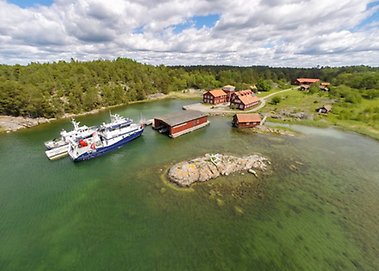
A survey among users of the Askö Laboratory field station or the research vessel R/V Electra during 2024 showed very satisfied users. The staff were praised for their flexibility and helpfulness, but many remarked that the premises and parts of the lab equipment are starting to get worn out.
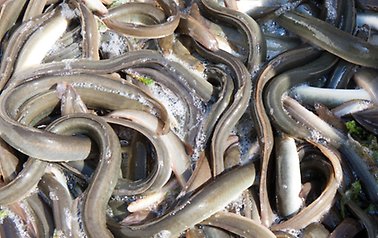
“Zero catches in all habitats”. The message from the International Council for the Exploration of the Sea (ICES) is clear: European eels cannot be fished at all; not commercially, not recreationally, not for restocking and not for aquaculture. Yet fisheries will be allowed to continue this year, the EU Council of Ministers has decided, and the evaluation of the Swedish eel management plan only suggests smaller modifications of the fisheries regulations.