News

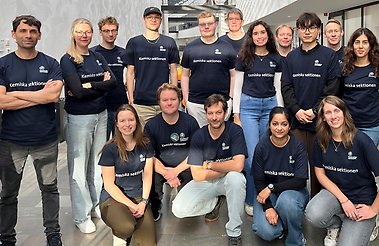
  • Researchers at the Science Fair ForskarFredag.

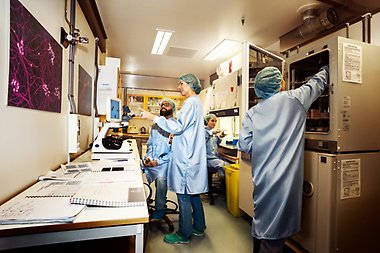
    Chemistry Section represented at the 2026 ForskarFredag

    Researchers from the Stockholm University Chemistry Section, consisting of the Department of Biochemistry and Biophysics and the Department of Chemistry, took part in the 2026 Science Fair, ForskarFredag, to engage young students’ interest in science and inspire them to study at university.

    Department of Biochemistry and Biophysics
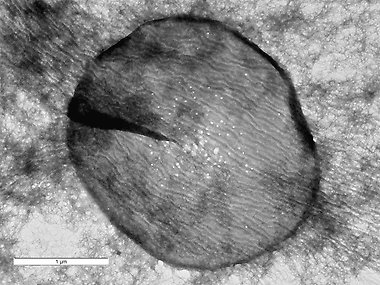
  • How cyanobacterial cells communicate reveals the importance of cellular architecture

    How cells are arranged within cyanobacterial filaments affects how they communicate with one another. New research from the Department of Ecology, Environment and Plant Sciences (DEEP) at Stockholm University provides new insights into how cellular architecture shapes communication in multicellular bacteria.

    Department of Ecology, Environment and Plant Sciences
  • Immune molecules play a limited role in ALS progression

    Immune-related molecules change in motor neurons affected by amyotrophic lateral sclerosis (ALS), but they do not appear to be major drivers of disease progression. The findings, published by researchers at Stockholm University, provide new mechanistic insights into disease pathology in ALS.

    Department of Biochemistry and Biophysics
  • New map reveals how antidepressants reshape the brain's serotonin system

    A new study has uncovered how antidepressants affect different groups of serotonin-producing brain cells in opposite ways, offering new insights into why selective serotonin reuptake inhibitors (SSRIs) can cause unpleasant side effects at the start of treatment but lead to symptom relief over time.

    Department of Biochemistry and Biophysics
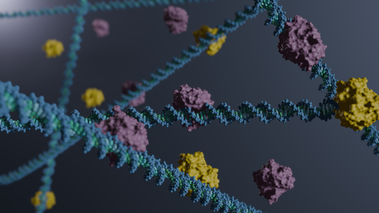
  • First human SMUG1 structures reveal how cells repair DNA

    Researchers have captured the first atomic structures of human SMUG1, an enzyme that helps cells repair damaged DNA. The findings provide new insight into how cells recognise and remove harmful DNA bases, and may support future efforts to develop drugs that target this DNA repair pathway.

    Department of Biochemistry and Biophysics
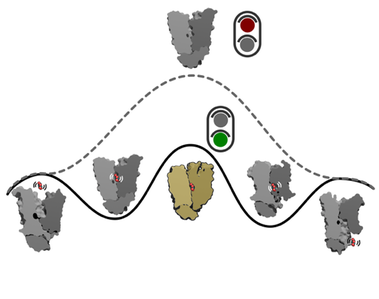
  • New Study Reveals ‘Transition State’ Mechanism Behind Sugar Transport into Cells

    Researchers from the Department of Biochemistry and Biophysics, located at SciLifeLab, Stockholm and the Department of Chemistry, Stockholm University, uncovers how glucose transporters achieve specificity, bridging a long-standing gap between structure and function in membrane biology. The study is published in Nature Structural & Molecular Biology.

    Department of Biochemistry and Biophysics
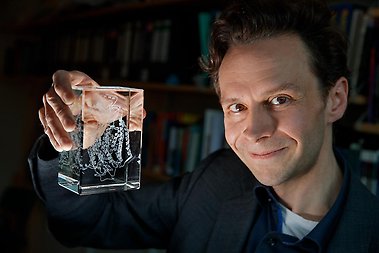
  • Person holding up DNA structure. 

    Cell powerhouses could offer cures for genetic diseases

    We still know very little about how energy flows within our cells. Ville Kaila is using advanced methods to understand how a complex protein chain keeps the flow running. This knowledge may contribute to new treatments for severe genetic and neurodegenerative diseases.