


Group Pesquet
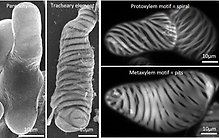
Research groupCell differentiation and coordination in tissues.
Discover the research at Stockholm University through our pages for research subjects, projects and research groups!
They also lead you to our researchers profile pages, our departments and courses and programmes.
Showing 1041-1060 of 2793 results
Cell differentiation and coordination in tissues.
Phylogeny and evolution of parasitic plants
We’re fascinated by how metabolism influences gene expression. In our lab, we study how small molecules and metabolites can regulate what genes are turned on or off, and how this affects protein production. Our goal is to understand the molecular “language” that connects a cell’s metabolic state to its genetic activity.
Aging is a strong determinant of human health and longevity. We study the molecular mechanisms that regulate aging, aiming to eventually target them for therapeutic purposes.
Source, fate and impacts of the neurotoxin BMAA and DAB.
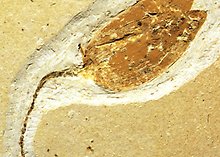
In my group, we are interested in macroevolution in vascular plants, the relationship between structure and function, and diversity and distribution in time and space; how features and plant groups evolve over millions of years.
Branched tubular organs are found in most animals. They include tissues like the lung, kidney and the vascular system. Many of the basic principles of tube construction in these organs are conserved among species. We aim to describe the genetic programs leading to the formation of a functional epithelial tubular network.
Group Slotte uses genomic tools to test predictions of evolutionary theory, with particular emphasis on the evolution of plant mating system variation and supergenes.
My research interests are biodiversity and food-web interactions. Since 1982 I have worked on the coastal and pelagic systems of the brackish Baltic Sea and since 2002 also on the sea-ice and pelagic systems of the Central Arctic Ocean (CAO). Today I mainly focus on two research projects in the CAO.
We are exploring basic mechanisms regarding a group of small non-coding oligonucleotides and their therapeutic potential. We have discovered that a set of single-stranded oligonucleotides temporarily inhibit certain endocytic pathways and thereby modulate innate immune responses as well as providing anti-viral effects.
We are interested in the factors that influence infectious disease transmission in natural populations.
We investigate the cellular and molecular mechanisms that govern interactions between the immune system, the microbiota, and host tissues in health and disease.
Interactions between plants, microbes and insects.
Group Tagirdzhanova uses omics and wet-lab techniques to study lichen symbioses. We aim to understand how microbial partners communicate in the symbiotic setting and what each of them contributes to the system.
In psychiatric care, there is a great need for new effective treatments for patients with complex and long-term problems, who have not been sufficiently helped by the treatments they have undergone so far. In this project, we are testing a short group treatment for this patient group: ISTDP-G (Intensive Short-Term Dynamic Psychotherapy - Group).

How natural and anthropogenic factors change and control the environmental conditions of the open Baltics Sea and its archipelagos, with focus on the pelagic zone