


Research catalogue
Discover the research at Stockholm University through our pages for research subjects, projects and research groups!
They also lead you to our researchers profile pages, our departments and courses and programmes.
Refine
Showing 1021-1040 of 2793 results
Group Jastroch
Research groupWe investigate the physiology and molecular mechanisms of energy metabolism from the organism to the molecule. We focus on metabolic aspects during obesity, adipose tissue biology, mitochondrial mechanisms and thermogenesis.
Group Jiang
Research groupPlant reproduction and stress resilience

Group Johannesson
Research groupThe evolution of fungal genomes and its association with life history traits and extreme environments
Group Jonas
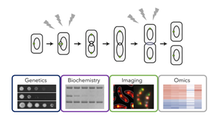
Research groupOur group studies how bacteria grow and reproduce in fluctuating environments. We use a combination of genetics, cell biology and biochemistry to dissect the molecular mechanisms underlying bacterial growth and cell cycle progression and how these processes are regulated under changing environmental conditions to ensure bacterial survival.
Group Jonsson
Research groupBacterial infection and host defence.
Group Keipert
Research groupThe main focus of our research group is to understand how endocrine crosstalk, involving adipose tissue, controls mammalian energy metabolism. Our goal is to identify target mechanisms for novel therapeutic strategies to fight obesity.
Group Kolm
Research groupGroup Kratzer: The Marine Remote Sensing Group
Research groupThe Marine Remote Sensing Group uses optical measurements in aquatic systems (mostly Baltic Sea and Lake Vänern) combined with satellite data to improve environmental monitoring of aquatic ecosystems. The data is also used to assess effects of climate change.
Group Kullberg
Research groupGroup Laikre
Research groupGroup Ljungdahl
Research groupAmino acids are essential nutrients that serve as building blocks of proteins and some are efficiently metabolized for energy. Eukaryotic cells respond to extracellular amino acids by enhancing their uptake. We study the molecular mechanisms underlying this response and the role of amino acid metabolism in promoting virulent growth of human fungal pathogens.
Group Mannervik
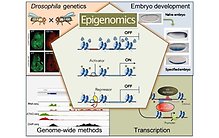
Research groupWe study transcriptional control of embryo development using cutting-edge genomic technologies and advanced Drosophila genetics.
Group Milocco
Research groupHow has evolution generated the extraordinary diversity of life on Earth?
Group Nascimento
Research groupThe overall focus of my research is to understand how ecosystems respond to anthropogenic and environmental disturbances both structurally and functionally.
Group Nedergaard & Cannon
Research groupNonshivering thermogenesis emanates from the activity of the mitochondrial protein UC P1 in brown adipose tissue. We use novel model systems to advance the understanding of mammalian thermogenesis.
Group Norberg
Research groupClimate change impacts in regards to ecosystem response as well as on humans natural resource management and governance.
Group Norén
Research groupGroup Ozata
Research groupAs a new research group aiming to construct an international work environment with a mutual respect, our main objective is to enthusiastically investigate how a mammalian male germ cell commits to become a functional sperm. Our studies will therefore advance our understanding of sperm development and may suggest approaches to promote fertility.
Group Pawlowski
Research groupOur research is focussed on actinorhizal nitrogen-fixing root nodule symbiosis, a topic relevant for the understanding of root nodule symbioses in general as well as for the role of actinorhizal plants in soil restoration, shelter belts and erosion control.