News

  • Malaria scientist decodes the world's deadliest parasites

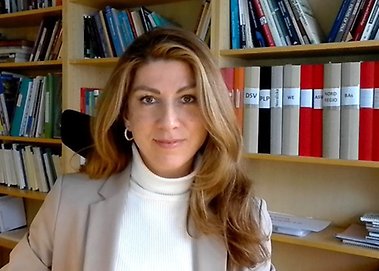
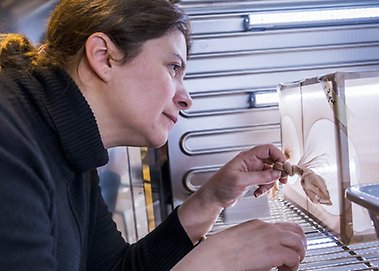
    The malaria mosquito is spreading some of the world's deadliest diseases, but not on its own. It is controlled by ancient parasites that use their code language to make their host, human or animal, act in a way that benefits its survival. A code language that molecular biologist Noushin Emami at Stockholm University is working to decode.

  • Ancient chewing gum reveals stone age diet

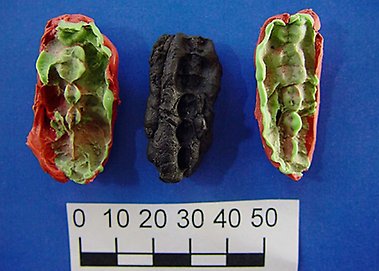
    What did people eat on the west coast of Scandinavia 10 000 years ago? A new study of the DNA in a chewing gum shows that deer, trout and hazelnuts were on the diet. It also shows that one of the individuals had severe problems with her teeth.

  • New web portal for student health

    The government has commissioned the Swedish Council for Higher Education (UHR), Stockholm University and Linköping University to create studenthälsa.se – a national, joint web portal for student health. The portal was launched on 15 January and gathers everything related to student health in one place. 

  • Improved monitoring can protect genetic diversity

    Genetic diversity is essential for species to adapt to climate change. A new study shows that efforts to monitor genetic diversity in Europe are insufficient. A new approach is needed – and Sweden can set an example.

  • "I want to make a snowman"

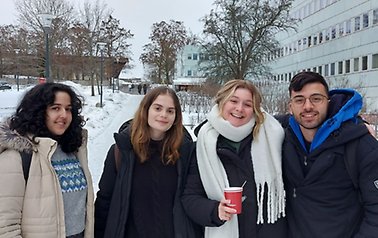
    As Stockholm University welcomed new international students during Arrival Service on 14 January, small snowflakes swirled through the air and made the Frescati campus more winterlike than ever. ”I want to make a snowman and, what’s it called, you know when you slip and lay on the ground and move your arms and legs in the snow? A snow angel!”, Greek exchange student Pavlina Karapapa exclaimed with a happy smile. Her friend from home, Katerina Thoma, was equally enthusiastic. “Choosing Stockholm University seemed like a pretty good idea and now that I’m here I really want to experience the Swedish winter.”

  • Welfare state's role in mitigating poverty from environmental taxes

    The question of how climate transition can be implemented from a justice perspective is increasingly discussed. A recent study from Stockholm University reveals how the welfare state shields households from falling into poverty due to environmental taxes related to consumption.

  • No increase in suicide and alcohol mortality during the pandemic in Sweden

    The COVID-19 pandemic increased stress in many population subgroups due to social isolation and worries about finances and jobs. Therefore, there were fears that stress-related outcomes such as suicide and alcohol problems would increase during the pandemic. This does not seem to be the case in Sweden according to a study by researchers at Stockholm University and the Karolinska Institute published in the European Journal of Epidemiology.

  • The Reaction Mechanism for Catalytic Ammonia Production Experimentally Determined

    Researchers at Stockholm University have for the first time been able to study the surface of iron and ruthenium catalysts when ammonia is formed from nitrogen and hydrogen; the results are published in the scientific journal Nature. A better knowledge of the catalytic process and the possibility of finding even more efficient materials opens the door for a green transition in the currently very CO2-intensive chemical industry.

  • Many ways to support the researchers of the future - on teaching in the Doctoral School

    Beyza Björkman Nylén is a course leader who has given courses in the Faculty of Humanities Doctoral School several times in two main areas. She helps doctoral students to develop their academic writing, and also to understand the importance of open science practices. In this interview, she shares her insights about her work and why she is so committed to contributing to the Doctoral School's activities.

  • Extinct wolly dog kept isolated from European dogs

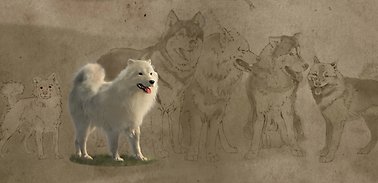
    Indigenous people in Northwestern America kept the woolly dog, among other things, to use the fur for textile production. A new study shows that they managed to keep their dogs isolated from European dogs for many generations.