News

  • More premature babies born following Swedish parental leave policy

    The introduction of a policy protecting parental leave benefits in Sweden in 1980 had unintended consequences on child health. The policy led to an increase in premature birth rates. This is shown by a study from researchers at Stockholm University, published in JAMA Pediatrics.

  • Using AI to unveil harmful chemical substances

    Tens of thousands of unknown chemicals surrounds us. Most are harmless, but some are harmful to our health and the environment. Anneli Kruve at Stockholm University has received a five-year EU grant to develop an AI model that can quickly determine which chemicals in a sample are potentially toxic.

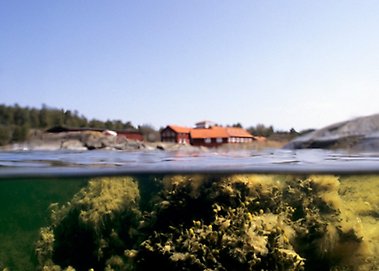
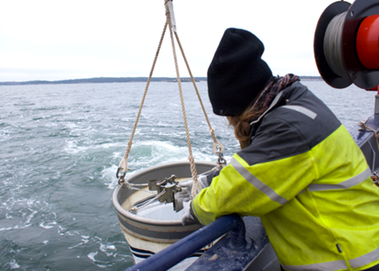
  • Earlier spring phytoplankton blooms disrupt the balance in the Baltic Sea

    With spring around the corner is the arrival of migratory birds, flowering of plants and emergence of insects. The timing of these ‘phenological events’ is starting earlier for many organisms with climate warming. A new study from researcher at Stockholm University shows that spring starts earlier also in the Baltic Sea but their zooplankton grazers are not following up with the same speed and miss this high-quality spring food resource.

  • Plastic can help increase the sustainability of electronic sensors

    By blending polystyrene, a type of plastic, with other electronic materials, researchers at Stockholm University and KTH hope to make organic electronic devices both cheaper and more sustainable. The research is published in the scientific journal Advanced Materials.

  • Conversations in a MR scanner provides a novel view of the brain’s language network

    Researchers have revealed new insights into how the brain processes speech and listening during conversations through advanced investigations using functional magnetic resonance imaging (fMRI). In a groundbreaking study published in the esteemed journal Cerebral Cortex, researchers compared brain activity in individuals while both speaking and listening during natural conversational situations.

  • Lakes are getting drier in southern Sweden

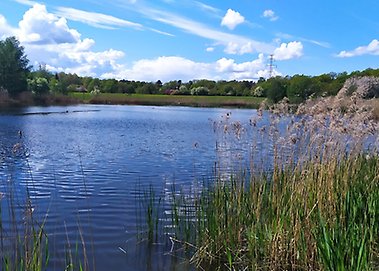
    How does climate change and human activities affect lakes in Sweden? A new study from Stockholm University reveals changes in water levels across 144 lakes in Sweden using satellite data and water level stations.

  • Bacterial diseases a lethal threat during the Stone Age

    Bacterial poisoning via food and water – but also via contact such as kisses – caused a lot of suffering during the Stone Age. Diseases that today can be treated with antibiotics were then fatal, a new study shows.

  • 25 million SEK donation to the Baltic Sea Centre

    Stockholm University's environmental research takes significant strides forward with a donation of 25 million SEK in entrepreneur Sverker Lerheden's will. The donation will enable researchers to address more questions regarding climate change and biological diversity of the Baltic Sea.