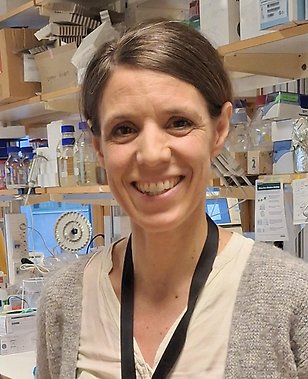
What does teaching look like when it is grounded in active research, and what does that mean for students? In BIG’s new interview series on research-based education, we meet Kristina Jonas, Professor of Microbiology and Director of Doctoral Studies at the Department of Molecular Biosciences, The Wenner-Gren Institute (MBW).
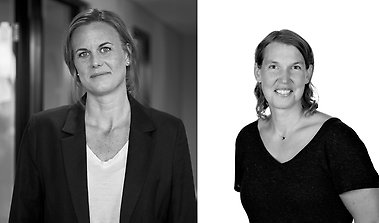
What is the best way to enter the consulting sector as a newly graduated biologist? When the Future Biologists network met on 4 December, BIG’s master’s students had the chance to hear from two former students who now recruit consultants in biology, biotechnology and environmental science.
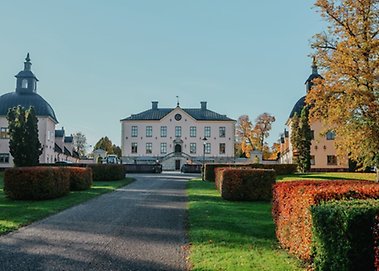
Teachers from several biology departments gathered at Hesselby Castle for an inspiring retreat focused on teaching development, AI, and pedagogical collaboration. Over two intensive days, the emphasis was on exchanging experiences, exploring new tools, and discussing future development issues in biology education. On October 20–21, around twenty teachers from the Department of Zoology, MBW, DEEP, and the Stockholm Resilience Centre attended the retreat, organized by the Pedagogical Council of the Biology Section.
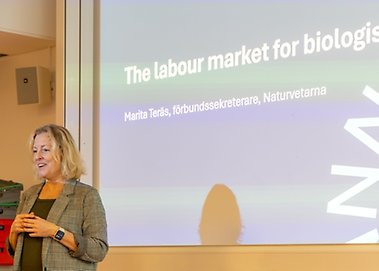
BIG’s new network for master’s students held its first meeting. The event focused on the job market for biologists and proved to be both popular and rewarding. The purpose of the new network, called Future Biologists, is to connect our master’s students with alumni. The first meeting took place on 8 October 2025, titled “The Expected Skills of a Master from BIG.” Five alumni were invited to share their knowledge and experiences. The topic attracted great interest — more than 40 master’s students from all of BIG’s programmes attended, along with a few teachers and BIG representatives. Career opportunities for biologists One of the guest speakers was Marita Teräs, Secretary General of the non-partisan trade union Naturvetarna. With over 35,000 members, the association has an excellent overview of the job market for scientists. As the union for Sweden's natural scientists, it offers services and tools to help members develop and feel secure throughout their working lives and careers. The union negotiates collective agreements that provide flexibility and opportunities to influence individual working conditions and pay, and works daily to ensure that the skills of scientists are recognised and valued in society. Marita began by noting that this is a good time to hold a degree in science — the job market is strong. The unemployment rate among Naturvetarna members is currently as low as 2.2%, compared with 8.4% in the general population. In fact, there is even a shortage of scientists. Too few people study natural sciences while society’s need for scientific expertise continues to grow — think of climate change, ecosystem services, energy supply, and public health.