


How to Succeed as a Consultant – Alumni Share Their Top Advice
What is the best way to enter the consulting sector as a newly graduated biologist? When the Future Biologists network met on 4 December, BIG’s master’s students had the chance to hear from two former students who now recruit consultants in biology, biotechnology and environmental science.
The network, which brings together BIG’s master’s students, alumni and teaching staff, attracted 14 students, four recent graduates, one teacher and three BIG colleagues to this session. Alumni Britta Granath, Chief Executive of Mpya Sci & Tech, and Emma Karlsson, Business Area Manager at the environmental consultancy Envima, shared their insights and experiences from the staffing and consulting industries.
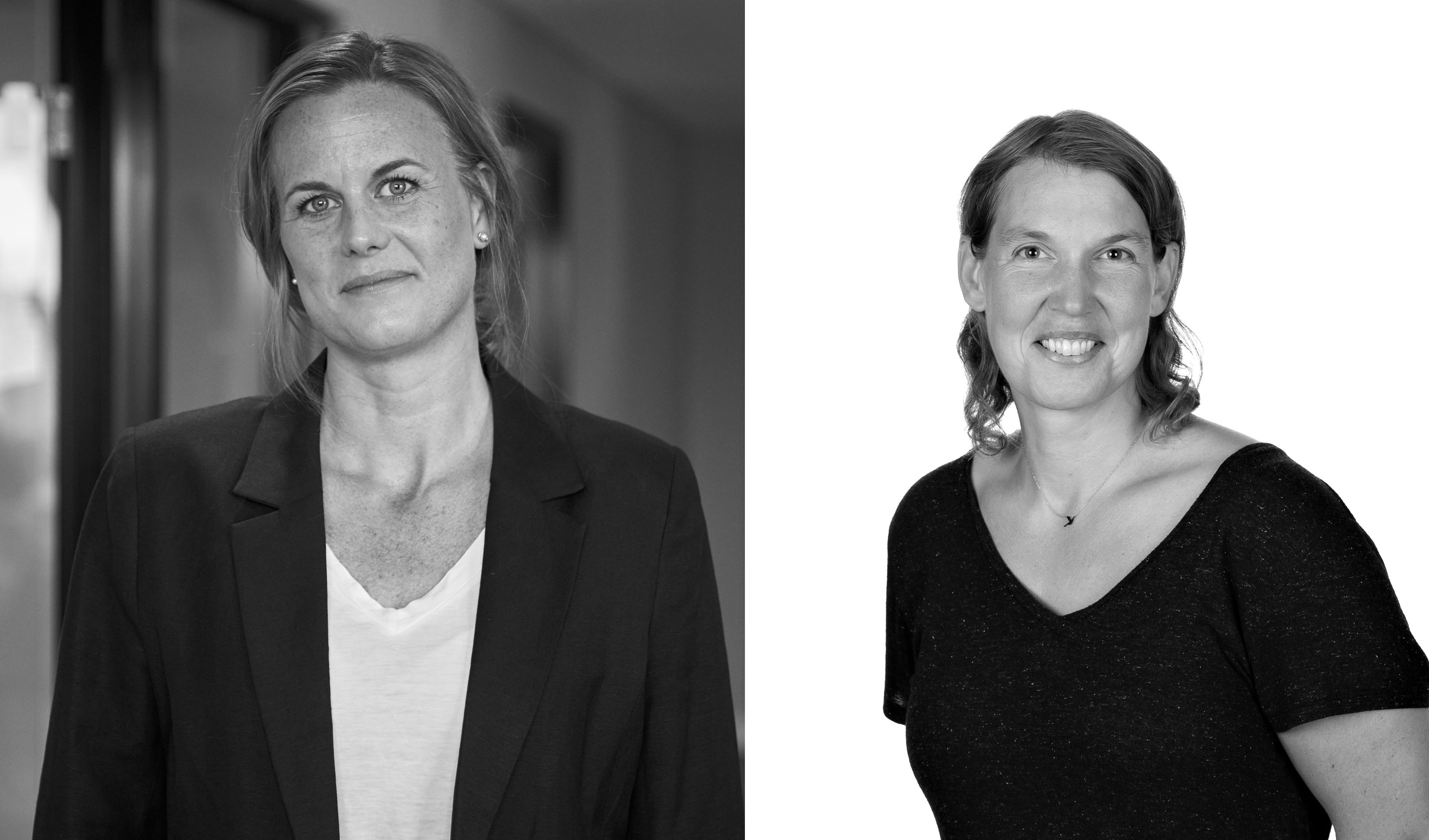
Britta Granath and Emma Karlsson
Build Your Profile Already During Your Studies
Britta Granath, who completed the final two years of her master’s degree in molecular biology at BIG between 2005 and 2007, described her journey from research at AstraZeneca to doctoral studies in immunology, and eventually into the consulting and recruitment side of the life science sector. As the industry has evolved, so too has Mpya Sci & Tech, which now has more than 90 employees across five offices in Sweden.
Her message to students was clear: start early by reflecting on what motivates you, build a relevant CV during your studies, for example through summer positions, and make yourself visible on LinkedIn and through networking. She also stressed the importance of tailoring each CV to the specific role you apply for.
Britta spoke about how the life science job market has shifted in recent years. During the COVID-19 pandemic, demand for molecular biology expertise grew dramatically, while the post-pandemic landscape has become more challenging due to global economic and political conditions. At the same time, new fields are emerging rapidly, including Advanced Therapy Medicinal Products (ATMP), precision medicine and data-driven biology. Core laboratory skills, PCR, cell culture and protein analysis remain highly sought after, and bioinformatics and data skills are increasingly essential. GMP experience is also crucial for roles within pharmaceutical manufacturing.
Breadth, Confidence and Effective Time Management
Emma Karlsson, who holds a bachelor’s degree in molecular biology, a master’s in biology (2008) and a PhD in environmental science (2015), has experience from both large and small environmental consultancies. She recruits primarily candidates with bachelor’s or master’s degrees, noting that companies often prefer to shape and develop their staff internally, meaning a PhD is sometimes even a disadvantage. Internship is a common bridge to hiring.
Emma highlighted four key abilities:
- being good enough – knowing when something is sufficiently complete
- time management – handling competing priorities efficiently
- asking questions early – seeking clarification before problems escalate
- stress management – which becomes much easier once the first three are in place
She also described the dynamic nature of consulting, where careers often progress from individual contributor roles into leadership positions. Beware however that leadership is its own field of science and often requires you to work on projects as well as leadership. In environmental consulting, demand is high for experts who help companies comply with environmental legislation, controls, reporting and legal applications, but the sustainability side of the market is in a real low after postponed implementation of major policy packages.
The field of sustainability is strongly influenced by political decisions and therefore require adaptability. Emma emphasized the value of having a broad skill set and being able to shift between areas as the market fluctuates with policy. Larger companies tend to offer more specialized roles, while smaller firms usually expect consultants to work across a wider range of responsibilities and competencies.
Furthermore, she noted that language skills can influence career opportunities. English is often sufficient for research-focused roles, but Swedish is frequently required for production positions and more senior roles. Learning Swedish can therefore be a strong advantage and sometimes required for strong long-term career development.
Connections Count More Than Job Adverts
Both Emma and Britta agreed on one crucial point: networking is essential in the consulting world. The vast majority of consulting roles are never advertised; they are filled through personal contacts. Reaching out proactively, by email or via LinkedIn, is therefore often the most effective way to enter the field. They also pointed out that the consulting landscape includes companies of varying sizes, from large firms such as AFRY, Sweco and WSP to mid-sized players like Randstad, Norconsult and Niras.
They added that recruiters frequently use assessment tests and case studies when evaluating candidates, and that behavioral traits such as problem-solving ability, teamwork and genuine motivation are just as important as technical skills.
Next event coming up in April
Future Biologists will continue to create meeting places that connect students, alumni and the professional world. The next networking event is already being planned and will focus on doctoral-level education. The date has not yet been set, but the event is likely to take place in early April. Keep an eye on our calendar so you don’t miss the invitation or the opportunity to take part in more experiences, advice and discussions about the next steps after your studies.
Last updated: 2025-12-16
Source: Department of Biology Education