


Research project Beyond state-run education factories
The study examines how ideas about marketisation and privatisation of the Swedish higher education sector emerged, spread through public debate and eventually became part of education policy. Particular focus is placed on Timbro’s role as a forum for people from the worlds of politics, academia, business and the media. The analysis highlights how ideas and policy proposals take shape through the interaction between these sectors.
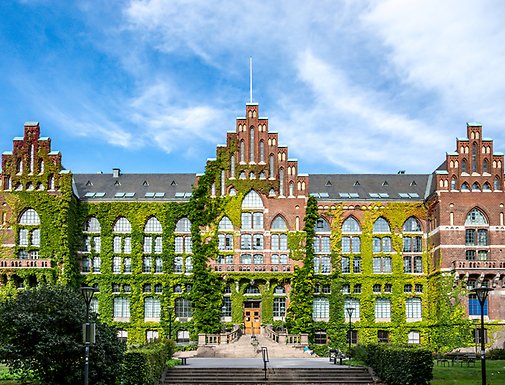
Photo: Mostphotos
During the 2000s, the organisational structure of Swedish universities and university colleges became the subject of recurring debate, though the issue has a longer history. Already in the 1980s, ideas promoting increased marketisation and privatisation of state-run higher education were articulated within circles surrounding the market-liberal think tank Timbro. These environments also generated ideas and actors that later influenced the higher education reforms of the 1990s.
This tree-year research project examines how advocacy for marketisation was channelled through Timbro and how the think tank developed into a key platform for idea production and exchange between politics, business, academia, and the media, characterised by porous boundaries between these domains.
The project is divided into three sub-studies that analyse: (i) a pioneering phase focusing on how early intellectuals and networks introduced and adapted neoliberal ideas; (ii) a consolidation phase analysing Timbro’s institutional role in connecting actors across sectors; and (iii) a reform phase examining how ideas and individuals associated with the think tank contributed to policy implementation.
Using qualitative methods, the project draws on archival materials, published texts, media, and government documents, complemented by interviews with key actors.
By focusing on a single area of policy reform, the project contributes to a broader understanding of systemic change within the Swedish welfare state.