


Research project ENERPOL
Volatile energy prices cause problems for European households, and some even struggle to heat their homes. To mitigate the risks, a new regulatory framework is needed. This research project addresses market-design issues to facilitate more flexible and proactive household consumers.
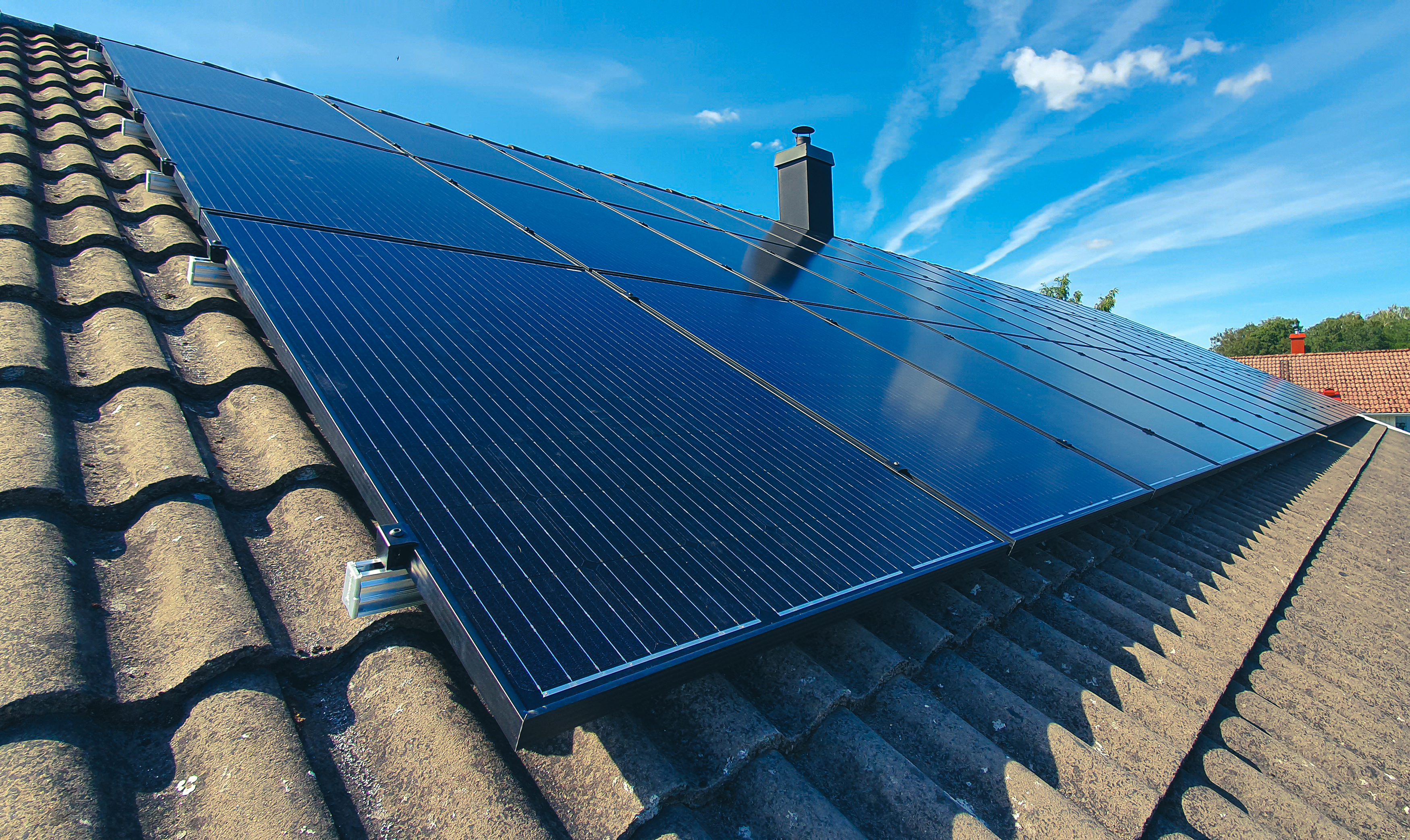
Foto: Pär Winberg/Mostphotos.
Europe’s renewable energy future foresees households consuming and producing power. However, unstable electricity prices have left families facing financial shocks and increased inequality. More than 1 in 10 European households struggle to heat their homes. While households could be more proactive in mitigating their exposure to such risk, for example via infrastructure adoption and financial contracting, existing market designs do not incentivise such behaviour.
In order to tackle how market design should be revised to foster greater demand-side flexibility, we model the game-theoretic interaction between policy and consumer behaviour. Supported by the Marie Skłodowska-Curie Actions programme, ENERPOL aims to bring together universities, regulators, think tanks, and energy companies from nine countries. The project will connect household income and wealth data with energy use to create better policies. Our aim is to ensure that Europe’s green transition promotes both efficiency and fairness in energy use.
The full title of this research project is “ENERPOL – Using smart contracts and policies to reduce energy-related risk and inequality among households.”
It is funded under EU’s Horizon.1.2 – the Marie Skłodowska-Curie Actions (MSCA) programme.