


New framework explains how inequality shapes resilience
People who are most likely to face unemployment or low-paid work are also more likely to fall into poverty when these setbacks occur. A study based on data from more than three million people across Europe shows that resilience depends not only on individual abilities, but also on people's exposure to risks and their capacity to cope with them.
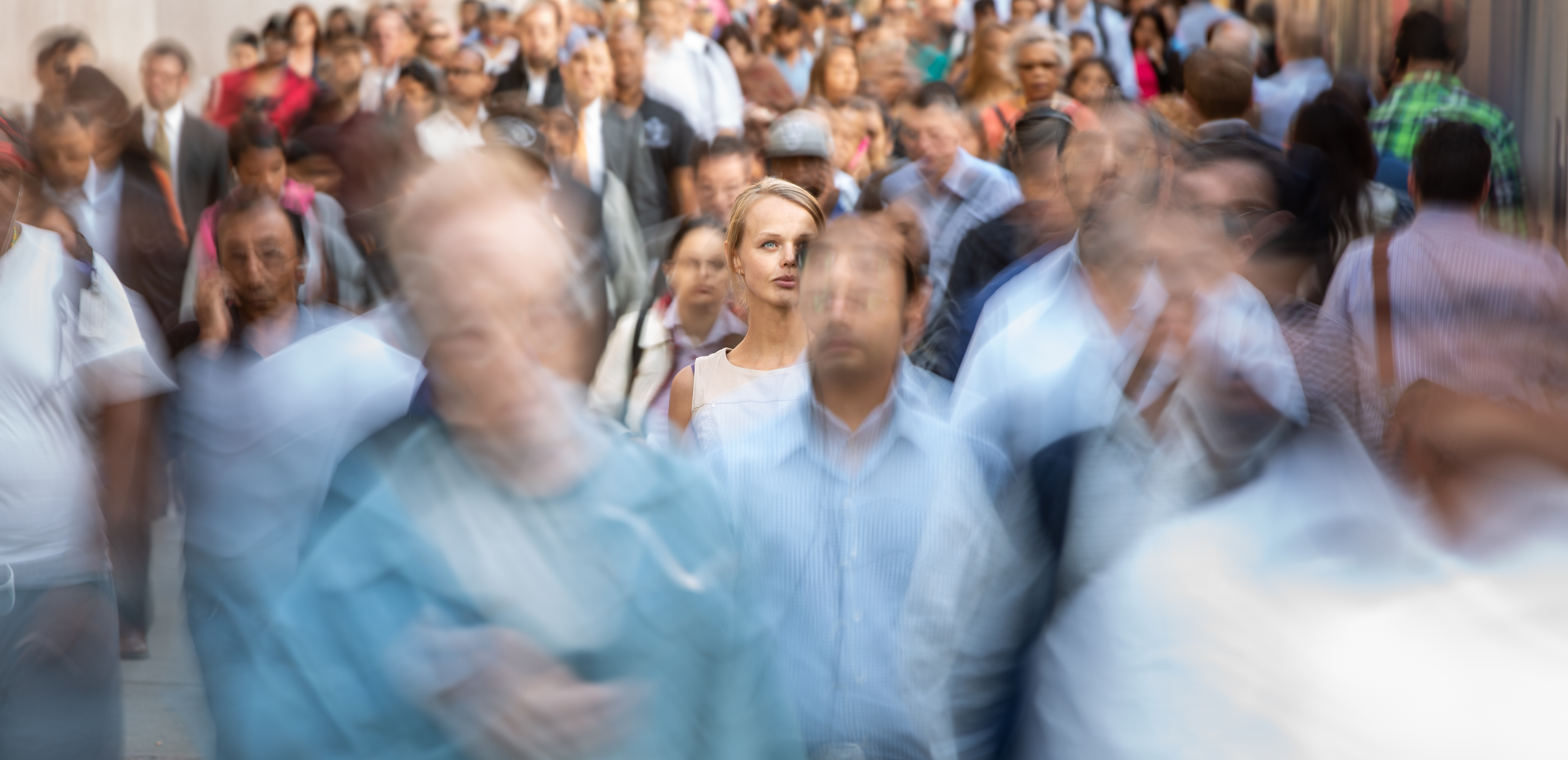
Illustration photo. The study shows that people's exposure to labour market risks and their ability to cope with them are unevenly distributed across society. Photo: Mostphotos.
Why are some people better able to cope with economic setbacks than others? According to researchers at Stockholm University, the answer lies not only in personal resilience. It also depends on how exposed people are to risks and what resources they have available to cope with them.
The study, published in Social Policy & Administration, introduces a new framework for understanding resilience by asking two simple questions:
- Who is most exposed to labour market risks?
- Who has the resources to cope with them?
Together, these two questions form the "inequalities in resilience" framework, providing a new way of understanding how social inequalities arise and persist, and why some groups are consistently more vulnerable than others.
Those most exposed are also the least able to cope
Using data from more than three million people in 30 European countries between 2010 and 2020, the researchers found a consistent pattern. People with lower levels of education, single adults, and single-parent families are more likely to experience unemployment, low-paid work, and low work intensity. They are also more likely to fall into poverty when these setbacks occur.
In other words, the people with the greatest need for resilience are often those with the least capacity to cope.
Looking beyond individual resilience
Resilience has become a key concept in European social policy, influencing policies on social protection, employment, and responses to major societal challenges. But the researchers argue that policies should not focus only on encouraging individuals to become more resilient. Instead, governments also need to reduce people's exposure to labour market risks and strengthen people's ability to cope when setbacks occur.
“If resilience is to become a meaningful guiding principle for European social policy, governments need to do more than encourage people to 'be resilient'. Policies should reduce people's exposure to labour market risks while also strengthening their ability to cope when setbacks occur. Addressing structural inequalities is essential for building a more resilient Europe,” says Rense Nieuwenhuis.
About the study
The study is based on European survey data on income and living conditions (EU-SILC), covering more than three million people aged 20–60 in 30 European countries between 2010 and 2020. The publication is one of the final outputs of the Horizon Europe-funded rEUsilience project, jointly coordinated by Rense Nieuwenhuis at SOFI, Stockholm University.
Authors: Rense Nieuwenhuis and Max Thaning (SOFI, Stockholm University), Alzbeta Bartova (Leiden University) and Lovisa Backman (Department of Sociology, Stockholm University).
Read the full article:
The Need and Capacity for Resilience in European Labour Markets: An Inequalities in Resilience Framework
Contact
Rense Nieuwenhuis, associate professor of sociology
Swedish Institute for Social Research (SOFI)
Stockholm University
Max Thaning, researcher
Swedish Institute for Social Research (SOFI)
Stockholm University
Last updated: 2026-08-05
Source: Swedish Institute for Social Research