


Action is needed to mitigate the impacts of Baltic heatwaves
Global warming has already transformed the Baltic Sea, and continues to do so, with both mean water temperatures rising and heatwaves becoming more frequent. This affects marine organisms directly, but also by amplifying eutrophication and other existing pressures. Beyond mitigating climate change itself, it is crucial to reduce local pressures and protect ecosystem functioning to strengthen the sea’s ability to cope with warming and sustain water quality, biodiversity and fisheries.
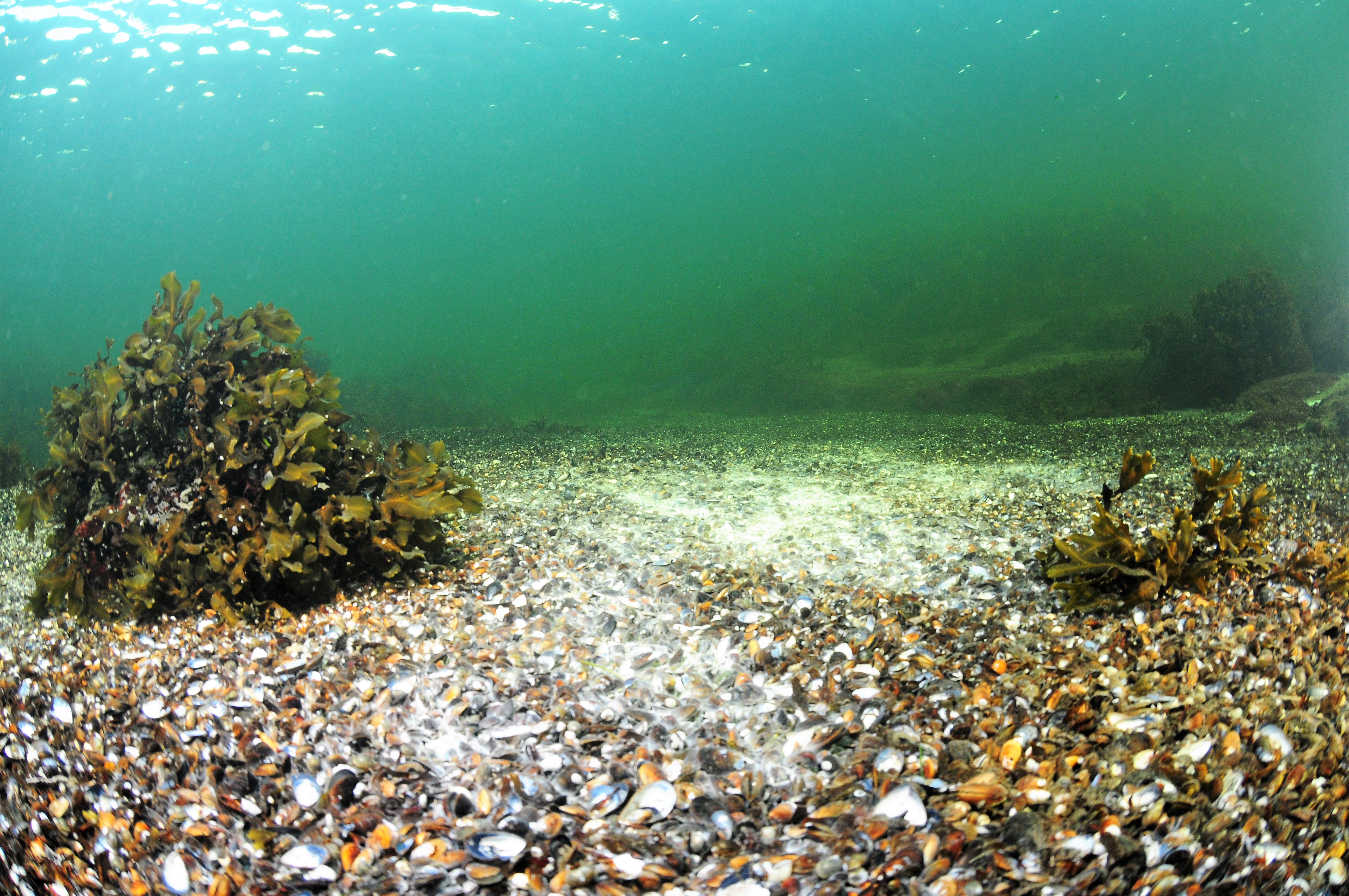
Following a marine heatwave on the southwest coast of Finland, large numbers of the mussel Mytilus trossulus died in shallow water. The dead and decaying mussels are colonised by white mats of sulphide-oxidising bacteria. Photo: Mats Westerbom
Climate change has not only caused warming of the air, but also of the sea. Globally, ocean surface temperatures have risen by approximately 0.9°C since pre-industrial times. Alongside this gradual warming, extreme warming events, known as marine heatwaves, have become significantly more frequent and longer-lasting in recent decades. Marine heatwaves can trigger abrupt ecosystem change and mass mortality events, making them a critical, and often underestimated, dimension of climate change impacts.
The Baltic Sea, like other polar and temperate marginal seas, has warmed about twice as much as the global ocean surface average and is also experiencing more frequent and more intense marine heatwaves than many other parts of the ocean.
Between 1982 and 2023, 189 marine heatwave events were recorded in the Baltic Sea, and recent years have included some of the warmest sea surface temperatures on record. In 2022, several Baltic regions experienced up to seven separate marine heatwaves within a single year, with local intensities exceeding +9°C above climatological conditions.
Warming across the Baltic Sea is spatially uneven, shaped by a pronounced north–south temperature gradient: northern and coastal areas often experience their strongest heatwaves in spring and winter, while summer heatwaves tend to be more widespread and intense across the whole basin. Winter warming in the north is expected to accelerate further as shrinking sea-ice cover reduces its cooling (albedo) effect.
POLICY RECOMMENDATIONS
- Reduce greenhouse gas emissions to mitigate climate change.
- Increase ecosystem resilience to withstand heatwaves by:
- » speeding up measures to reduce eutrophication,
- » reducing habitat disturbance such as bottom trawling and dredging
- » and restoring coastal habitats and seafloor communities.
- Strengthen long-term monitoring of ecosystem change.
Effects on species and ecosystems
Marine heatwaves have real consequences for the organisms and ecosystems that depend on a stable thermal environment, and they have already reshaped marine ecosystems around the world. Large-scale die-offs of foundation species – species that provide habitat and structure for entire ecosystems, such as canopy-forming macroalgae (e.g., kelp) and reef-building corals – can trigger cascading effects where the loss ripples through the food web.
This can lead to biodiversity loss and changes in fundamental ecosystem processes, such as carbon storage and nutrient cycling, and can allow invasive or dormant species to take hold once native species disappear. Marine heatwaves have also been linked to mass seabird die-offs caused by the loss of prey, highlighting that the effects reach beyond the sea.
Warming does not affect all species equally. Every species has a geographic range shaped by temperature, and its response to warming often depends on where in that range it sits. The Baltic Sea lacks coral reefs or extensive kelp forests, but its own key species respond just as strongly to these dynamics: those at the warm edge of their range, already near their upper heat tolerance, can suffer short-term biomass losses exceeding 40 per cent during marine heatwaves. Species at their cold edge, such as Baltic sprat, where warming instead brings conditions closer to their optimum, can experience biomass increases of nearly threefold.
Timing matters as much as temperature: winter marine heatwaves are linked to a mismatch between herring larvae and their food supply, contributing to the long-term decline of Baltic herring stocks, which is expected to worsen as winters continue to shorten. Temperature also acts as a seasonal trigger for biological processes more broadly: early spring warming, for instance, can bring forward phytoplankton blooms and shellfish spawning.
In the Baltic Sea, many organisms already live near their tolerance limits for other factors, such as low salinity, which can make them especially vulnerable to marine heatwaves. They are also exposed to multiple anthropogenic pressures, such as eutrophication and hazardous substances, which can reduce their capacity to cope with additional stress. Physical disturbance from activities such as bottom trawling and dredging can further weaken the resilience of seafloor habitats and species, making them less able to withstand and recover from extreme warming events.
WHAT IS A MARINE HEATWAVE?
A marine heatwave (MHW) occurs when sea temperatures are anomalously high for a prolonged period, defined as exceeding the 90th percentile of the local climatology (based on a 30-year baseline) for at least five consecutive days.
Because the threshold is based on local, day-specific climatology, marine heatwaves can occur at any location and during any season, not just in summer.
Marine heatwaves are also categorised by intensity, from “moderate” to “extreme” (category I–IV) based on how far temperatures rise above the baseline.
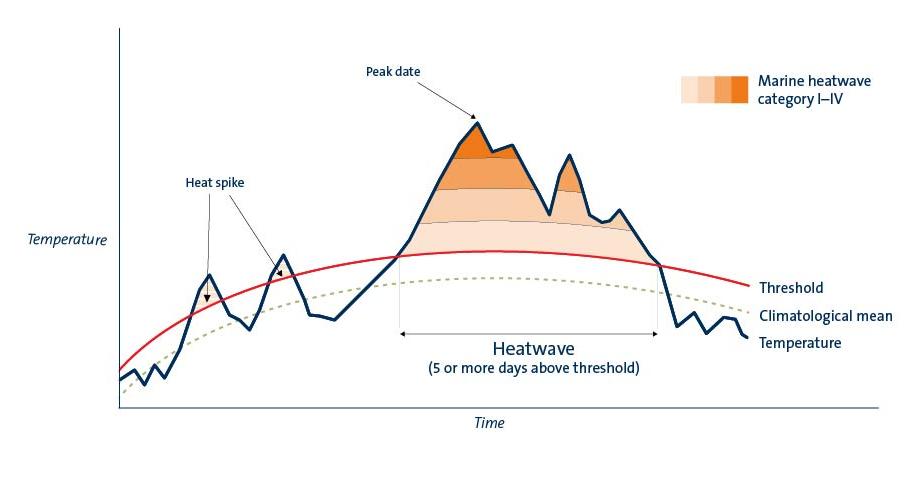
Schematic of a marine heatwave. Temperature (dark blue) exceeding the threshold (red) for five or more days defines a heatwave; shading shows intensity category I–IV. Shorter exceedances are heat spikes. Figure adapted from Hobday et al. Categorizing and naming marine heatwaves. Oceanography, 2018. (CC BY 4.0)
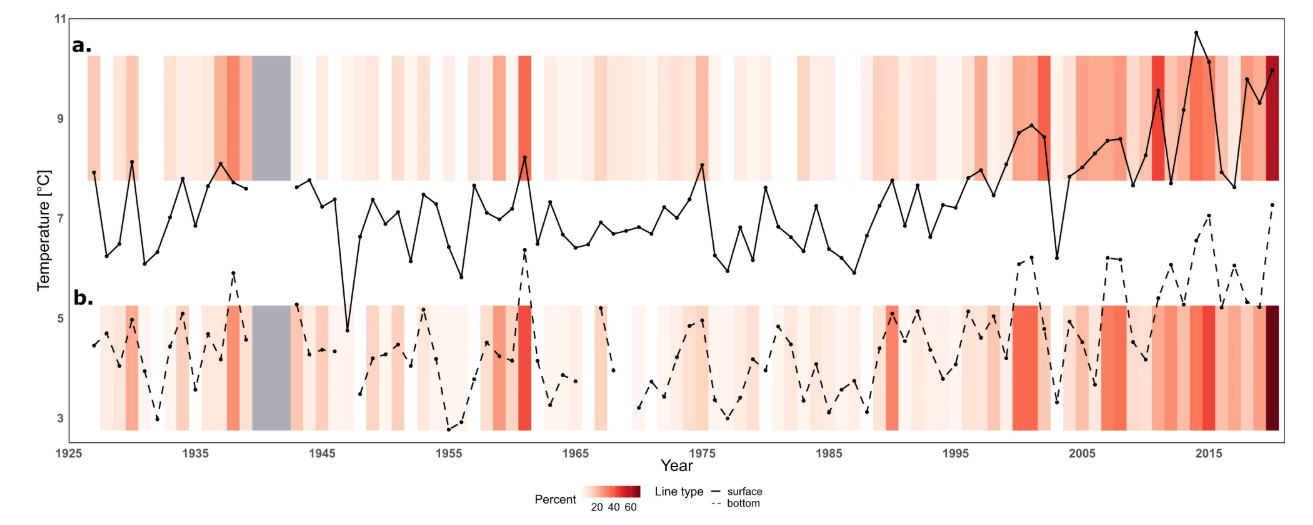
Monitoring at Storfjärden shows that the yearly average temperature has increased significantly during the last century, both in the surface water (black line) and in the bottom water (dashed line). The colour fields show that also the occurrence of abnormally warm observations has increased (darker colour represents more abnormally warm observations), in particular during the last decades. Figure from Goebeler et al. Ninety years of coastal monitoring reveals baseline and extreme ocean temperatures are increasing off the Finnish coast. Communications Earth & Environment, 2022. (CC BY 4.0)
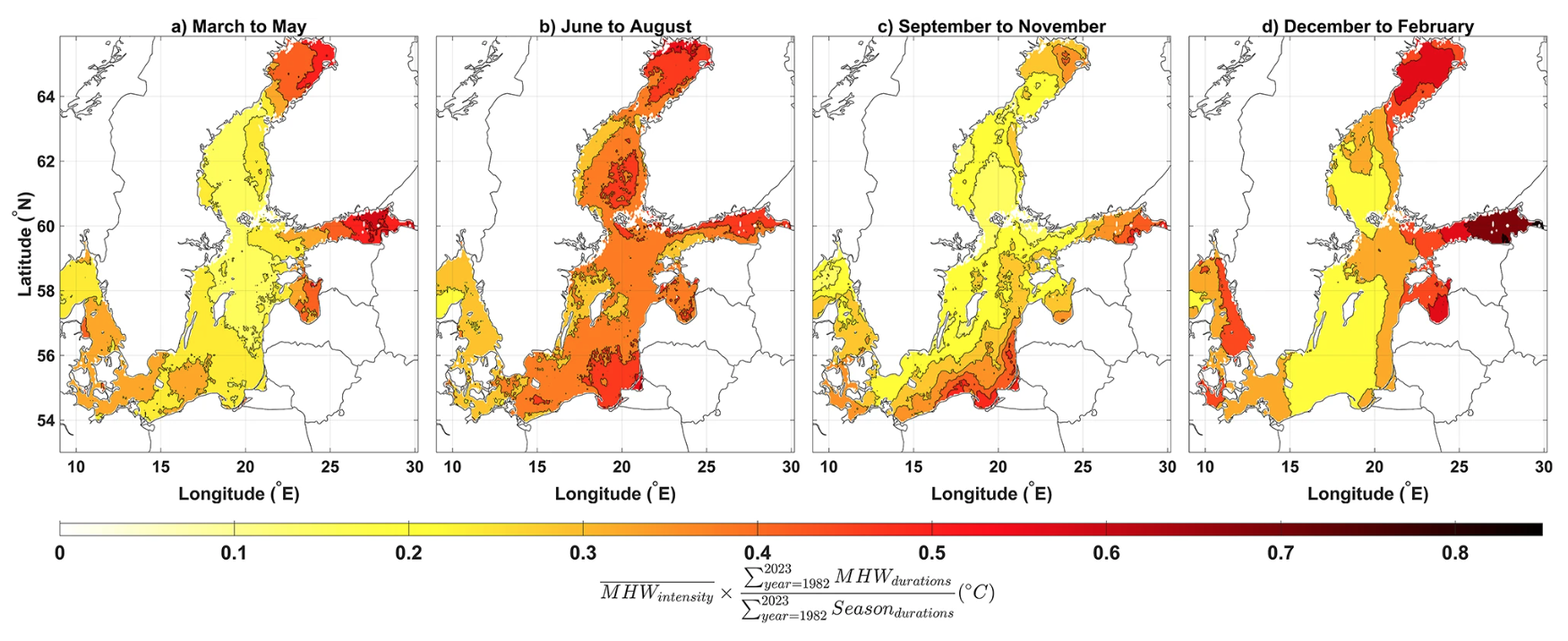
Marine heatwaves occur all over the Baltic Sea and in all seasons. In the winter and spring, they are more intense in the northern and eastern parts and in the summer and autumn in the southern parts. The darkness of the red indicates increased intensity and frequency. Figure from Bashiri, B. et al. Variability of marine heatwaves’ characteristics and assessment of their potential drivers in the Baltic Sea over the last 42 years. Scientific Reports, 2024. (CC BY 4.0)
Marine heatwaves – the global picture
Marine heatwaves have become significantly more frequent and longer-lasting worldwide. Between 1982 and 2016, global marine heatwave frequency rose by roughly 0.45 events per decade, affecting 82 per cent of the ocean, while average event duration increased by 1.3 days per decade. Over the past century, the combined increase in frequency and duration amounts to a 54 per cent increase in annual marine heatwave days.
The changes are not evenly distributed. The high-latitude North Atlantic and western boundary current regions have seen the sharpest increases, while parts of the Southern Ocean and the eastern tropical Pacific have seen slight decreases.
Marine heatwaves – the Baltic Sea
The Baltic Sea has been identified as a climate change hotspot, with sea surface temperature anomalies roughly twice as high as the global ocean surface average.
Between 1982 and 2023, 189 marine heatwave events were recorded in the region, and in 2022 alone, several areas experienced up to seven separate heatwaves, with local intensities exceeding +9°C above normal conditions.
Warming is spatially uneven: northern and coastal areas see their strongest heatwaves in winter and spring, while summer heatwaves tend to be more widespread across the whole basin — a pattern expected to intensify as shrinking sea ice reduces its cooling effect.
Changes beneath the surface
Long-term warming and marine heatwaves are reshaping Baltic Sea ecosystems not only through species-specific winners and losers, but also through gradual alterations of ecosystem functioning and biogeochemical cycling. Warming strengthens the seasonal thermocline, which impedes oxygen supply to deeper waters. Further, warm water holds less oxygen than cold water, and also makes organisms consume oxygen faster. This can cause an expansion of low-oxygen zones and reinforce eutrophication-related feedbacks through acceleration of internal nutrient recycling.
Long-term monitoring of the Baltic seafloor illustrates just how far this shift has already gone. Using temperature records from Storfjärden at the Finnish coast dating back to 1926, the study found that today’s baseline is nearly 1°C warmer than a century ago, on almost every day of the year.
Furthermore, the study showed that warming was not restricted to surface waters, but that bottom-water temperatures increased similarly, also affecting the benthos – the organisms living on and in the seafloor. Using high-resolution data, 18 marine heatwaves were identified at the site between 2016 and 2020 alone – with intensities exceeding previous records – and updated data through spring 2024 shows a total of 24.
When experimentally investigating the ecological effects of this warming and the heatwaves, it was found that they increase oxygen consumption in the seafloor community and modify the nutrient release even when the species living there stay largely the same. The effect was strongest in summer, followed by autumn and spring. This means that marine heatwaves can intensify eutrophication from within, working against the benefits of measures to reduce nutrient loads. The accelerated metabolic activity across organisms can also increase the production and release of greenhouse gases such as carbon dioxide and methane from coastal waters and sediments.
Shallow, semi-enclosed coastal bays that are common along the Swedish and Finnish coasts, are emerging as particular hotspots, where these processes can unfold faster and more intensely than in open waters. Crucially, these functional changes can occur long before any visible shift in species composition, meaning that problems may go undetected if monitoring focuses on single species alone.
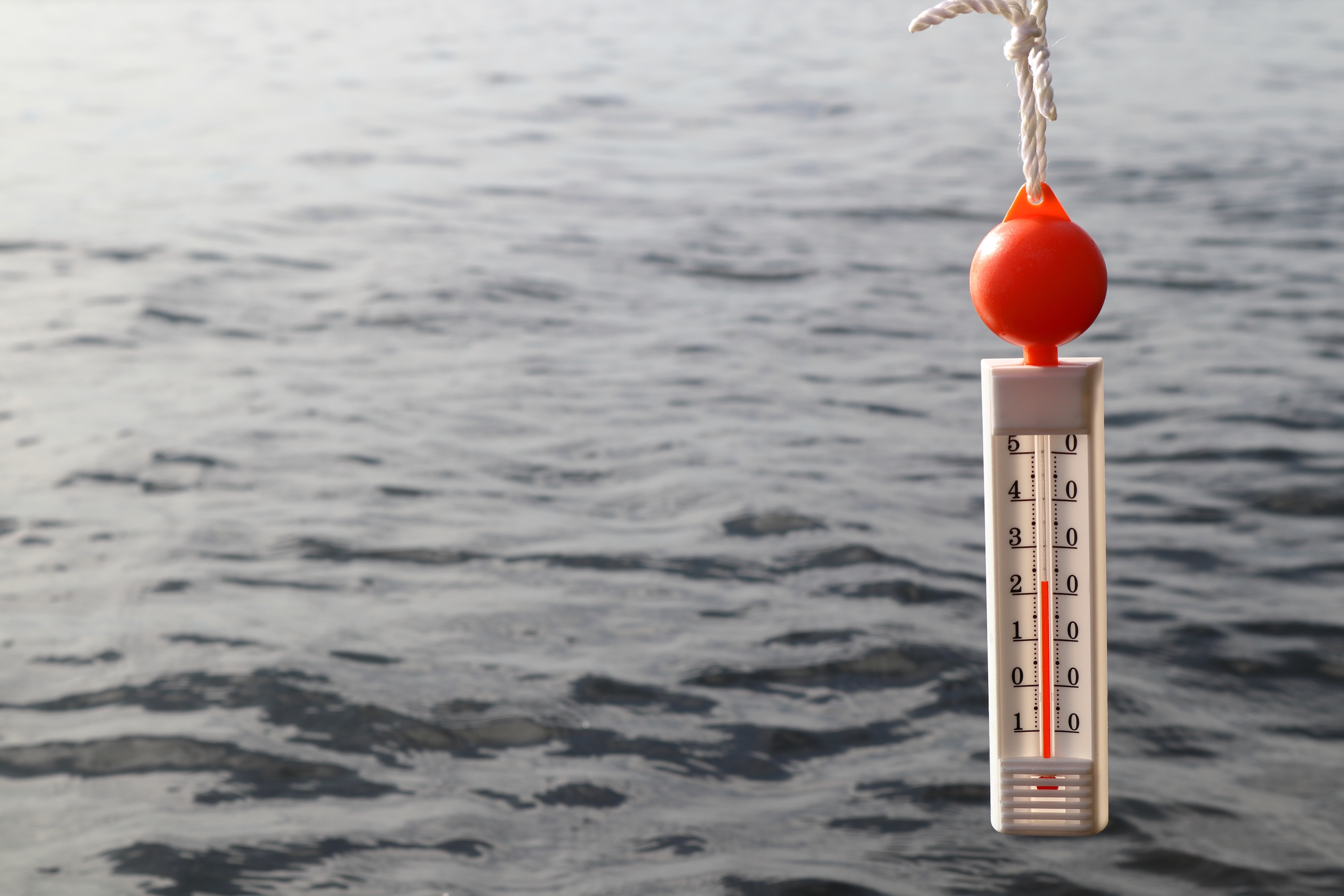
The Baltic Sea has warmed about twice as much as the global ocean surface average, and is also experiencing more frequent and more intense marine heatwaves. Photo: Martin of Sweden/Mostphotos
Consequences for society
The ecological changes caused by marine heatwaves threaten ecosystem services that people and societies depend on. Declining herring stocks affect one of the Baltic Sea’s most important commercial fisheries, and reduce the potential to use fish for human consumption. Intensified eutrophication degrades water quality, fuels harmful algal blooms, and raises costs for tourism, drinking water treatment, and recreational use of the sea. The loss of foundation species and shifts in community structure also weaken the Baltic Sea’s broader capacity to withstand climate change, regulate climate, cycle nutrients, and support biodiversity.
Yet the ability to detect and attribute these impacts remains limited. Current monitoring regimes, such as the multi-year assessment cycles under the Water Framework Directive, were not designed to capture changes at the pace marine heatwaves now occur. Even annual monitoring of key habitats, such as blue mussel beds, is often insufficient to reliably attribute observed changes to specific heatwave events. Neither Sweden nor Finland currently has national monitoring systems capable of detecting these impacts at the resolution required. As a result, while the broader pattern of change is clear, the scientific evidence base for specific impacts remains limited – a significant knowledge gap given how quickly conditions in the Baltic Sea are changing.
Marine heatwaves cannot be stopped locally – but the pressures that make their impacts worse can be reduced. Reducing local stressors, such as nutrient loads, overfishing and habitat degradation, strengthens the sea’s ability to withstand and recover from marine heatwaves, buying time and resilience while global emissions are brought down. At the same time, more frequent, higher-resolution monitoring is needed to understand how these events unfold and to guide an effective response.
Contact
Norman Göbeler, Tvärminne Zoological Station, University of Helsinki
norman.gobeler@helsinki.fi
This policy brief was produced within CoastClim, which is part of a strategic collaboration between Stockholm University and the University of Helsinki.
Researchers from different disciplines work together to map carbon storage and greenhouse gas fluxes in the Baltic Sea.
Read more at www.coastclim.org.
Last updated: 2026-10-22
Source: Stockholm University Baltic Sea Centre