


Researchers warn the Commission: Don't open up the Water Framework Directive
Revising the Water Framework Directive entails significant risks, and should not be rushed. Instead, priority should be given to implementing, funding and enforcing its existing obligations. This is emphasised by a large group of researchers and experts at Stockholm University in a consultation response to an initiative from the European Commission related to the mining sector.
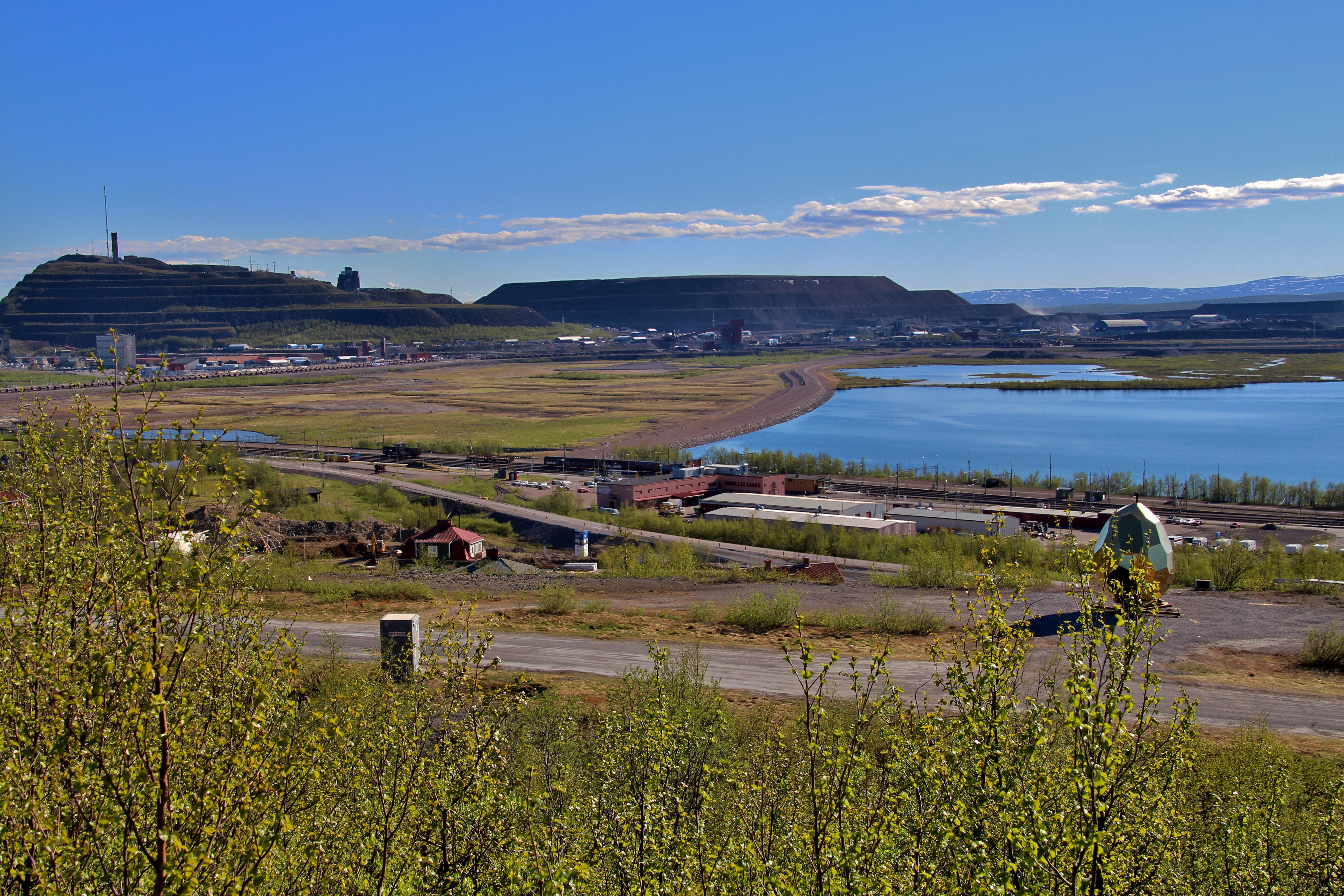
There are better ways to support the mining industry than weakening legal protections for water, such as supporting the development and use of improved water treatment methods, argue researchers at Stockholm University. Photo: Mywolfa/Mostphotos
Since 2000, the Water Framework Directive has been one of the EU’s strongest legal tools for protecting and restoring freshwater and coastal ecosystems, and a cornerstone legislation for many other legal acts. Now, EU Commissioner Jessika Roswall has initiated a targeted revision of the directive in order to simplify regulations for mining critical minerals and metals needed for the green transition.
The proposed revision has been subject to a short public consultation, to which a large group of researcher and experts at Stockholm University have responded. The process leading up to this consultation appears to have been unusually rushed and insufficiently transparent. Notably, the initiative was not included in the Commission Work Programme, limiting stakeholders’ ability to anticipate and prepare for meaningful engagement.
“We are very surprised and worried about this development,” says Maria Mancilla Garcia, Researcher at Stockholm Resilience Centre. “The revision of such an important directive should not be done hastily, without proof that it is needed, without sufficient time for consultation and without a thorough Impact Assessment.”
No proof of necessity
The researchers point out that the European Commission itself concluded that the directive was fit for purpose in a “fitness check” as recently as 2019. Since then, no compelling case has been made for its revision. The process is therefore not in line with the Interinstitutional Agreement on Better Law-Making and the Commission’s Better Regulation Guidelines.
“Instead of revising the legislation, the Commission and Member States should prioritise the implementation, funding and enforcement of the existing Water Framework Directive obligations,” says Johan Eklöf, Professor at the Department of Ecology, Environment and Plant Sciences. “Today only 40 percent of EU surface waters bodies meet EU quality standards.”
Better way of supporting the industry
Mining operations generate significant amounts of wastewater that can pose serious environmental risks. Contaminants can include heavy metals, suspended solids, dissolved salts, sulfates, phosphates and various chemicals used in mineral processing. All over Europe there are numerous contaminated areas from mines that pose a very high or high risk to the environment and human health. This underscores the long-term consequences of insufficient safeguards and enforcement, and highlights the importance of maintaining, rather than weakening, robust water protection standards.
Luckily solutions for treating wastewater from mining operations have become increasingly sophisticated and effective in recent years. This include both chemical, mechanical and biological treatment processes. However, the challenges of treating mining wastewater are complex and multifaceted.
“If the Commission and the Member States would like to support their mining industries, a better way would be to support the development and use of better cleaning methods, enabling mining activities while ensuring the protection of water resources and ecosystems,” says Marlene Ågerstrand, Associate Professor at the Department of Environmental Science.
Once open much can be weakened
In their reply, the researchers also highlight another risk of reopening the Directive: the potential for unintended scope expansion which can lead to weaker legislation for other sectors such as food production.
“Once a Directive has been opened, both the European Council of Ministers and the European Parliament can introduce amendments that extend beyond the original intent of a targeted consultation,” says Ellen Bruno, Policy expert at the Baltic Sea Centre. “This was recently demonstrated in the supposedly targeted revision of the Environmental Quality Standards Directive in the fall of 2025 when Member States decided to include two new exemptions from the non-deterioration principle.”
All in all, Stockholm University researchers and experts are emphasizing that:
- The WFD should only be revised if it is proven justified. Instead, the Commission should focus its resources on supporting Member States to implement the Directive fully. And to support the mining industry by investing in development and use of good water cleaning methods.
- 2. If a revision is considered necessary to facilitate mining for strategic raw materials, a full and thorough impact assessment and consultation should be conducted. Such revision must also be kept limited, legal requirements must not change for other sectors.
Read the full response here:
Reply to EC consultation on a targeted revision of the Water Framework Directive (2000/60/EC)
The following researchers and experts have been involved in the reply
Agnes Karlsson, Associate Professor, Department of Ecology, Environment and Plant Sciences
Bo Gustafsson, Researcher, Baltic Sea Centre
Bärbel Muller-Karulis, Researcher, Baltic Sea Centre
Christina Rudén, Professor, Department of Environmental Science
Clare Bradshaw, Professor, Department of Ecology, Environment and Plant Sciences
Ellen Bruno, Policy Expert, Baltic Sea Centre
Francisco Jardim de Almada Nascimento, Associate Professor, Department of Ecology, Environment and Plant Sciences
Gun Rudquist, Head of Policy, Baltic Sea Centre
Johan Eklöf, Professor, Department of Ecology, Environment and Plant Sciences
Lena Kautsky, Professor, Baltic Sea Centre
Linda Kumblad, Associate Professor, Baltic Sea Centre
Maria Mancilla Garcia, Researcher, Stockholm Resilience Centre
Marlene Ågerstrand, Associate Professor, Department of Environmental Science
Nielja Sofia Knecht, PhD student, Stockholm Resilience Centre
Sofia Wikström, Associate Professor, Baltic Sea Centre
Susa Niiranen, Researcher, Stockholm Resilience Centre
Thorsten Blenckner, Associate Professor, Stockholm Resilience Centre
Åsa Nilsson Austin, Researcher, Baltic Sea Centre
Last updated: 2026-04-20
Source: Stockholm University Baltic Sea Centre