


How to Strengthen Global Governance in an Era of Geopolitical Tensions
Lisa Dellmuth, Professor of International Relations at Stockholm University, recently spoke before the Foreign Affairs Committee of the Swedish Parliament on how to strengthen global governance amid rising geopolitical tensions — from Arctic security to the future of multilateral cooperation.
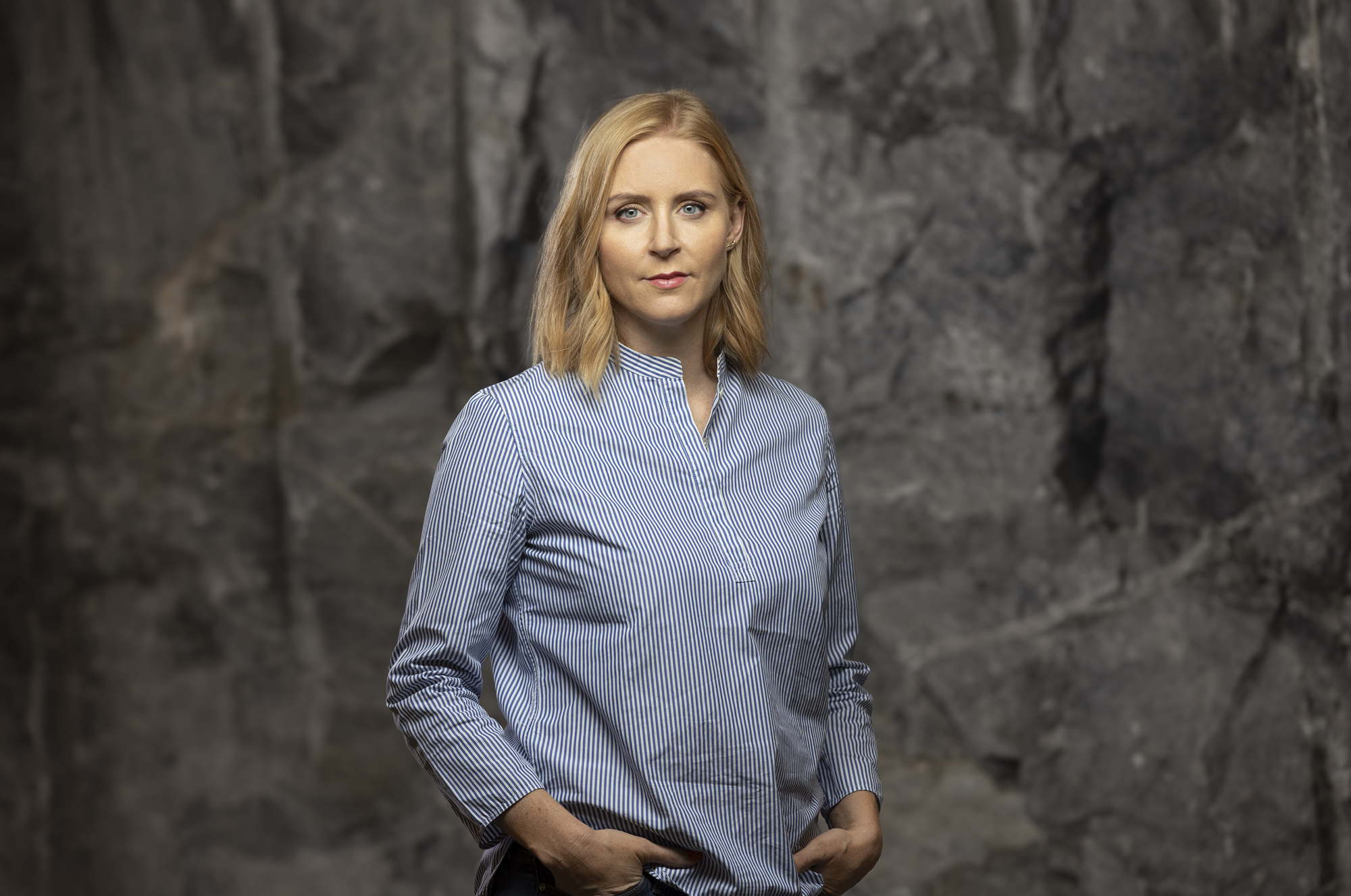
Lisa Dellmuth Photo: Rickard Kilström/Stockholm University
PUBLISHED: March 16, 2026
UPDATED: April 20, 2026
How does your talk in the parliament relate to your research on the Arctic?
"In my research, I examine non-cooperation in international relations and challenges to the legitimacy of international organizations. In the Arctic, several international organizations are central to international cooperation – in particular the Arctic Council in environmental and cultural questions, but also the EU, NATO, and a number of international treaties, such as UNCLOS, which govern social, economic, and political activity in the Arctic. My research shows how such organizations can be strengthened even in times of intense great power rivalries and geopolitics," she told SCGG on Monday, March 16.
You addressed the question of strengthening global governance amid rising geopolitical tensions. What is your view on the rising geopolitical tensions in the Arctic?
"I see a risk that there is an increasing acceptance of the unilateral use of power. When 'might makes right', multilateral treaties are not considered and may even be violated, which can lead to insufficient solutions for joint problems, such as war, climate change, and food insecurity," Lisa Dellmuth said adding that the United States' aggressive rhetoric toward Greenland illustrates how this dynamic can erode trust in the multilateral order "even if a lot of the political and administrative work, in organizations such as NATO, continues to work well."
How is it possible to strengthen global governance amid these tensions?
"It is key for policymakers and private sector elites to know how to strengthen multilateral cooperation. My research suggests that there are three main principles:
- First, it is necessary to strengthen institutional quality: Improve existing institutions or develop new institutional arrangements, emphasize their effectiveness, fairness, and the multilateral frameworks guiding cooperation.
- Second, they should communicate the value of cooperation: Engage more actively with the public to explain why international cooperation is necessary and how it delivers tangible benefits, for example security gains through cooperation among Arctic states.
- Third, where multilateral cooperation faces growing challenges, place greater emphasis on plurilateral partnerships among like-minded countries. In this respect, it makes sense for the Nordic states to deepen cooperation with Canada under the auspices of the international organizations governing the Arctic."
How could increased international cooperation influence the geopolitical situation?
"By international cooperation, I mean multilateral or plurilateral collaboration. It is an important check to avoid that 'might makes right', and gives small and medium-sized states the possibility to have influence over their own resource flows and security. The cooperation also fosters trust and peace, along with the knowledge and the will to solve joint problems," she concluded.
Dellmuth was joined by Niklas Granholm and Christopher Weidacher Hsiung of the Swedish Defence Research Agency (FOI) and Anna Wieslander of the Atlantic Council. The seminar was part of a parliamentary Research Day on Politics and Long-Term Challenges.
VIDEO: Watch the seminar on Politics and Long-Term Challenges
Last updated: 2026-04-20
Source: Department of Political Science