


Felix Bender: Democratizing Refugee Camps
The ethics on refugees has predominantly focused on questions of admission. They have asked why and how many refugees the liberal democracies of the Global North should admit. Yet, most refugees reside in the Global South, many in refugee camps. Join us for a seminar featuring Felix Bender. He will talk about "Democratizing Refugee Camps".
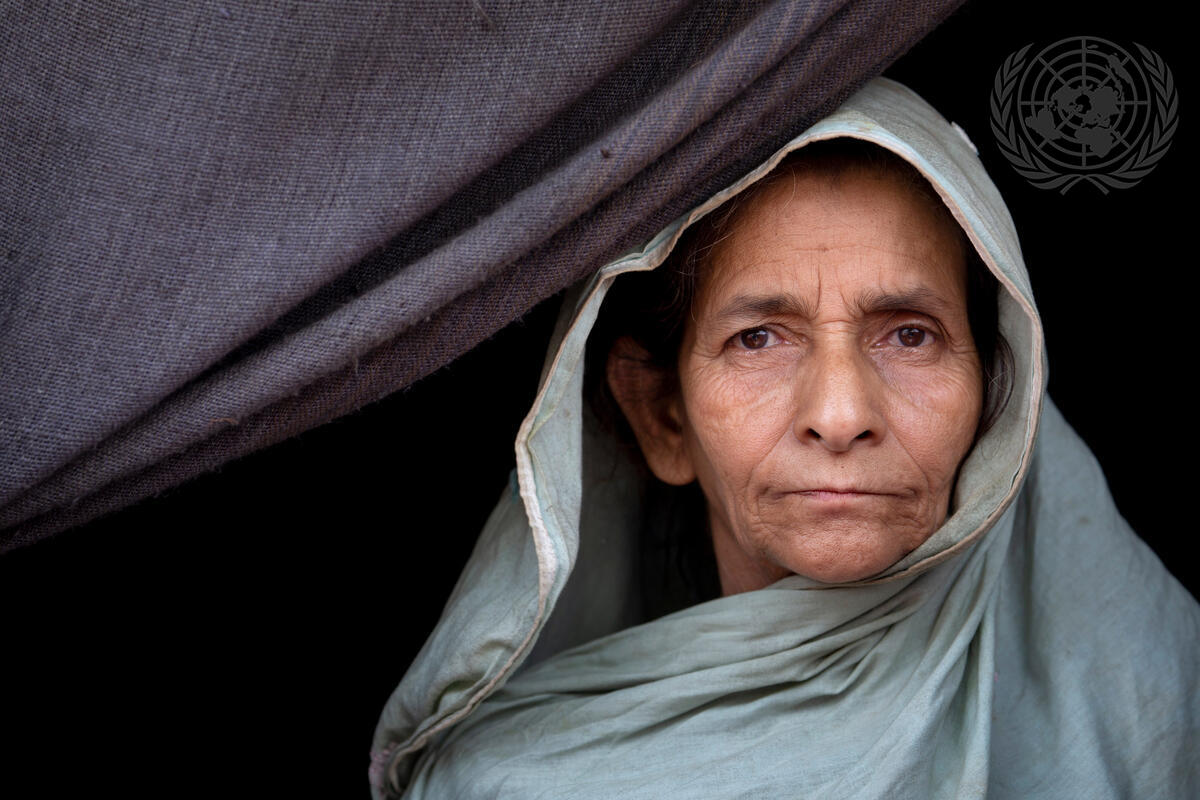
BANGLADESH, February 7, 2018. A refugee in the Kutupalong Rohingya Refugee Camp in Cox's Bazar. Photo: UN Photo/K. M. Asad
Click here to join us via Zoom
The protracted nature of their situation (resettlement, repatriation, local integration being unavailable to them) has left theories on refugees with little to say about their situations. What can an applied ethics prescribe with regards to those refugees? How can we understand and properly react to the vulnerabilities refugees experience in the camps? This project develops 1) a theory that better captures the vulnerabilities experienced by refugees in refugee camps and 2) a normative democratic theory that is capable of responding to these vulnerabilities. DEMCAMP will demonstrate that what we can observe in refugee camps is the emergence of economic, legal and political systems that each function according to their own rules and logics and that result in refugees experiencing a set of vulnerabilities that remain unseen if refugees’ vulnerability is externally defined by humanitarian agencies such as UNHCR and only applied to refugee camps thereafter. To properly react to the vulnerabilities that refugees experience, refugee camps need to be democratized. DEMCAMP develops a functionalist democratic theory that shows what refugee camp democracies should be able to do, which powers refugees should assume, and how this transforms the role of humanitarian agencies within the global refugee regime and refugee camps specifically.
Bio
Felix Bender is a Researcher in Practical Philosophy, specialising in the political theory on migration, refuge, and democracy. His work focuses on normative responses to contemporary issues surrounding refugees and migration. It asks who ought to be recognised as refugees, whether refugees ought to be democratically included, and what is owed to refugees in the Global South. He also has an interest in how these debates relate to methodological discussions on political realism.
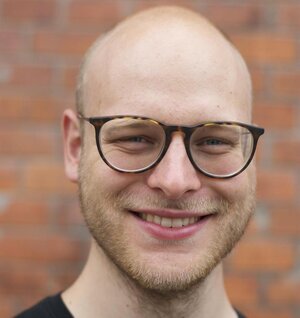
Felix Bender
Last updated: 2026-11-06
Source: Department of Political Science