Visual Culture, 7,5 ECTS

The Department of Media Studies offers this course in the spring semester of 2027 as part of the Doctoral School in the Humanities. The course is offered in collaboration with the Department of Culture and Aesthetics and Accelerator.
Course Content

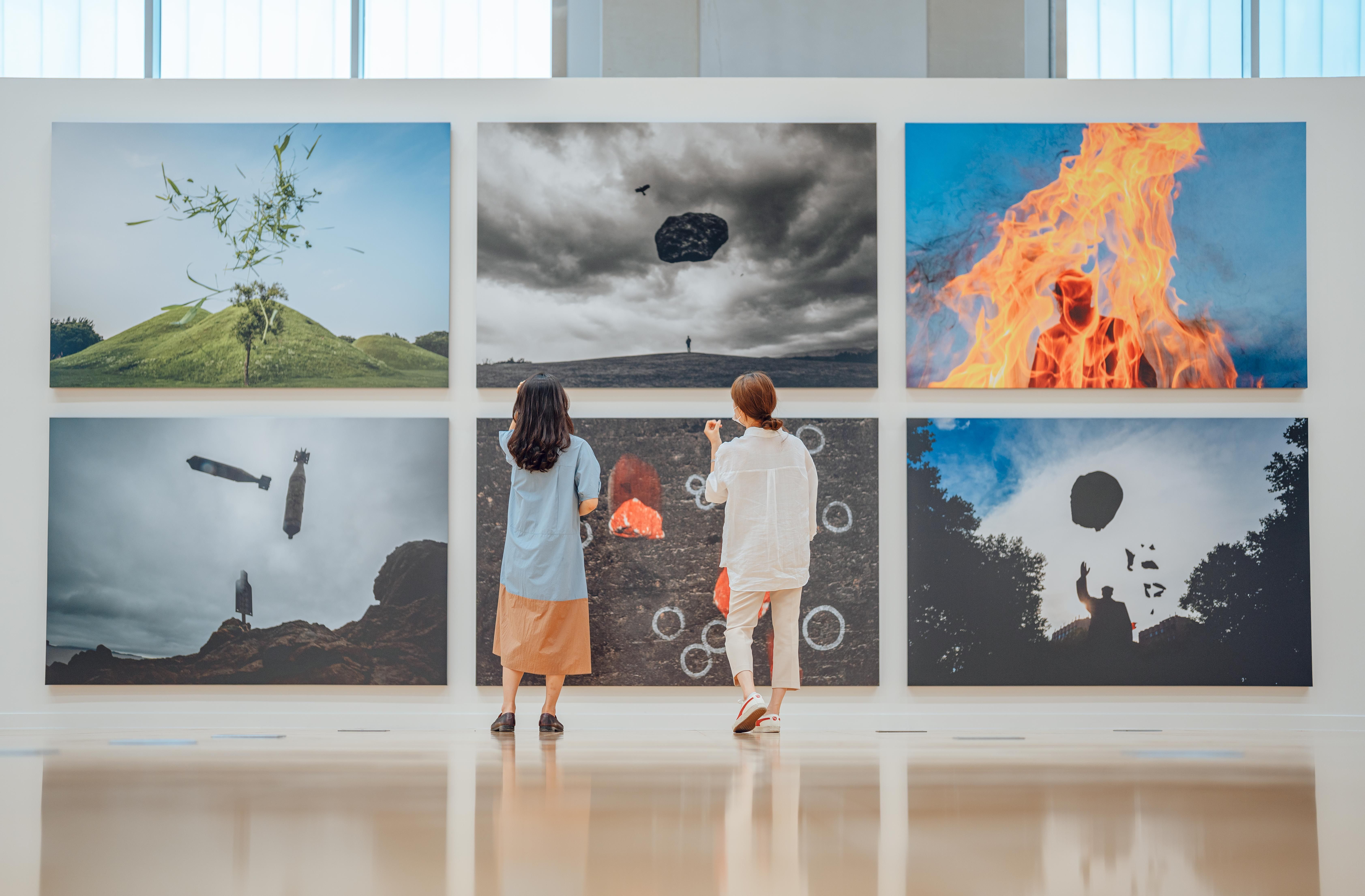
The course provides a conceptually and theoretically grounded understanding of visual culture, an interdisciplinary field that places visual communication into broader cultural and social contexts, encompassing various types of imagery, viewing practices, perception and the entire field of vision as central to the production of meaning and knowledge. The overall focus of the course is the poetics and politics of visual representation, creation and reception, over time and in a changing media world.

The course is intended for doctoral students from across the humanities, the arts, social sciences and other fields wishing to explore visual culture and communication theoretically and empirically.

An introduction to key concepts and foundational texts is followed by three themed course modules – “Representation: aesthetics and the political”, “Reception and experience”, and “Production, creation and curating” – which critically examine visual expressions, artifacts, and practices in various fields and genres, ranging from icons, via museum exhibitions and photography to illustrated childrens’ books, film and social media. Using theoretical and conceptual tools learned in the course, students complete a final paper addressing some aspect of visual culture in relation to their research and discipline.

The course is organized by the Department of Media Studies (IMS) and is taught by IMS department faculty in collaboration with faculty from Art History and Literature (Department of Culture and Aesthetics, IKE), and with Accelerator exhibition space.

After completing the course, the doctoral student will be able to:

  • Demonstrate an advanced understanding of salient theoretical underpinnings and scholarship in visual culture, and of key concepts concerning visual communication and perception.
  • Critically discuss and contrast different perspectives on visual representation, artifacts and practices, as they relate to power, knowledge, and resistance.
  • Critically reflect on visual perception, creation and curation based on central theories from the course and experiences gained from course seminars focused on exhibitions.
  • Apply theoretical and methodological tools to conduct an independent research inquiry into aspects of visual culture in relation to historical, current and future-oriented contexts.

Mandatory elements

Required components of the course:

Participation in all seminars and workshops and the successful completion of related assignments and exercises.

Examination

Assessment is based on an individual written course paper, which is also presented orally. For the grade Passed the student shall also actively have participated in all seminars/workshops and shall have successfully completed the seminar/workshop assignments.

Instruction

The course consists of lectures, required seminars containing oral and written presentations, a workshop, film screening(s), and museum visits. The course is taught on campus.

Language of instruction

English

Course dates and period

March 15-June 4, 2027

A detailed schedule will be published closer to the start of the course.

Preliminarily there will be:

1 introductory lecture

8 themed lectures

3 seminars

Some of the lectures as well as some of the seminars consist of or include film screenings and visits to museums.

Course Reading

The course reading list will be finalized/published around the start of the Spring semester.

Course Sullabys

Tba.

Application

Applications for courses starting in the spring semester 2027 are received between NNovember 15 and January 11 2027. Notifications of acceptance are sent out as soon as possible after the final date.

All applications are sent by the supervisor to: doctoralschool@hum.su.se. Official transcript of records, or certificate of registration, verifying the applicant's status as doctoral student should be enclosed with the application.

All courses are free of charge, and they are open to all who are admitted to studies on PhD-level, regardless of faculty or university. Prerequisites and special admittance requirements may apply for some courses.

How do I apply?

The application form (document link below) is used to apply for a place in a course. The supervisor (or equivalent) must support the doctoral student’s application with a motivation as to why the doctoral student should participate in the course. The supervisor also submits the proposal to the following address: doctoralschool@hum.su.se.

Application form for place in a joint faculty course docx, 294.6 kB.

Who can apply?

The Faculty of Humanities’ doctoral students have priority for places, and external doctoral students (from Stockholm University or another university) can be admitted to a course subject to availability. External doctoral students will be registered in Ladok in order to enable the Board to monitor all participants in a course.

The course is offered by the Department of Media Studies, and the course coordinator is Anna Roosvall and Maria Nilsson.

Research officer: Mikael Kalm, Fil. dr

forskarskolan@hum.su.se

Mikael Kalm

Last updated: 2026-10-01

Source: Office of Human Science