


Religion in a Changing World – Researchers from 57 Countries Gathered in Bucharest
How do we understand religion in a changing world shaped by diversity and new technologies? At the EASR conference Religions 360° in Bucharest, researchers from 57 countries explored these and other questions. Staff from the Department of Teaching and Learning presented their research and perspectives.
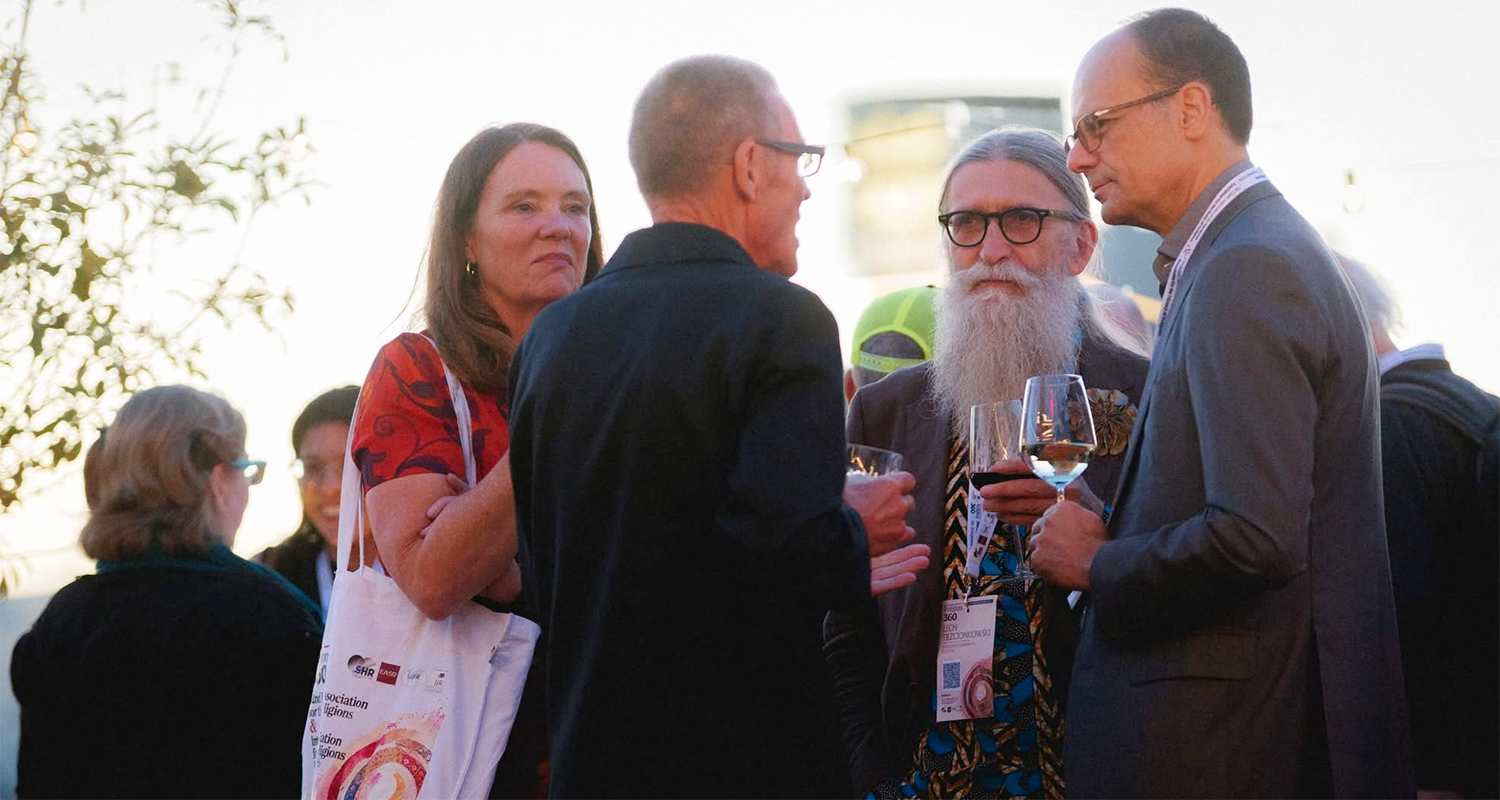
From 20 to 25 September, nearly 600 scholars of religion from 57 countries gathered in Bucharest for the international congress Religions 360°. The congress brought together the annual conference of the European Association for the Study of Religions (EASR) and a regional conference of the International Association for the History of Religions (IAHR). The theme, 360 Degrees, invited participants to explore the study of religion from a wide range of perspectives.
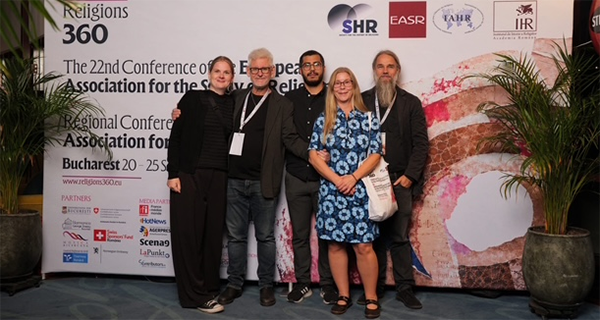
The delegation from the Department of Teaching and Learning included Jenny Berglund, Caroline Klintborg, Danial Ghasempour, Karin Lind and Hanna Kulahina-Stadnichenko. Several colleagues from Stockholm University's Department of Ethnology, History of Religions and Gender Studies (ERG) also participated.
Sweden was the largest national delegation, something that pleased Jenny Berglund, who served as EASR Secretary General for six years and has played a central role in the organization’s work.
– Swedish scholars have a tradition of participating in these conferences, and we have built a large network of researchers whom we meet regularly, exchange knowledge with and learning from, Jenny explains.
A range of exciting contributions from our department
The participations from the Department of Teaching and Learning reflected the breadth of research in the study of religion, spanning topics from artificial intelligence and children's religious experiences to historical clothing traditions and the role of religion in war.

Jenny Berglund.
Jenny Berglund gave two presentations. In a roundtable discussion on generative AI and religious education, she explored the opportunities and challenges presented by the technology. AI can offer students new ways of engaging with religion, but it can also risk conveying oversimplified or inaccurate representations. During the same roundtable, researchers from Linnaeus University and Dalarna University presented an AI chatbot designed to help students explore the significance of religion in people's identities and everyday lives. Jenny is one of the researchers currently testing the chatbot with students.
In her second presentation, Jenny discussed how a specific tree in Jordan has become a site of religious significance. According to tradition, the tree is associated with the childhood of the Prophet Muhammad. The study shows how stories and traditions connect landscapes, history and religious identity.

Caroline Klintborg.
Caroline Klintborg presented research on children's opportunities to shape and express their own beliefs in secularized Sweden. She explored how ideas about salvation and religious belonging can affect children's autonomy and their freedom to define their own faith.

Danial Ghasempour.
Danial Ghasempour presented research on how Islam is portrayed in Swedish educational films. He examines how visual imagery, sound and storytelling shape students' understanding of Islam and their perceptions of religion in relation to, for example, Christianity and Buddhism.

Karin Lind.
Karin Lind presented her study of how Jewish ideals of modesty and religious piety were expressed through Jewish clothing in Sweden in the mid-nineteenth century. Her presentation demonstrated how religious values can be conveyed through clothing and everyday practices.

Hanna Kulahina-Stadnichenko.
Hanna Kulahina-Stadnichenko convened a panel on how the war in Ukraine is affecting religion and religious life. Discussions addressed, among other things, the relationship between religious institutions and people's everyday lives, as well as the changes that war can bring to the role of religion in society.
Together, these contributions demonstrated how religion is shaped and understood in different contexts: through education, historical traditions and personal experiences, as well as in response to social crises and new technologies.
Broad participation and strong engagement with research on religion
One of the main benefits of Religions 360° was not only the opportunity to exchange research and meet colleagues from around the world, but also the many informal conversations between sessions. Jenny particularly appreciated the strong interest in, and positive response to her presentation on AI in religious education. Clearly, this is an area that many people are interested in and want to learn more about.
– It was both inspiring and valuable to learn about the research being conducted around the world and to meet colleagues we might not otherwise have encountered, Jenny says. Many important conversations happen spontaneously over a cup of coffee, and meeting in person creates a different dynamic from online conferences. For PhD students and early-career researchers, it is also important to present their research in an international setting, exchange experiences and build their own networks.
Jenny also valued the opportunity to participate in the Women's Scholars Network, which promotes exchange and collaboration among women researchers to strengthen their visibility in academia. Discussions included how more women can be given opportunities to participate in the international research community and contribute more actively to major international conferences.
– In Sweden, we have the possibility to pursue an academic career and have children due to a strong welfare system, but conditions vary greatly around the world, Jenny notes. That is why it is important to continue highlighting the opportunities available to women researchers to participate in international forums and make their research more visible.
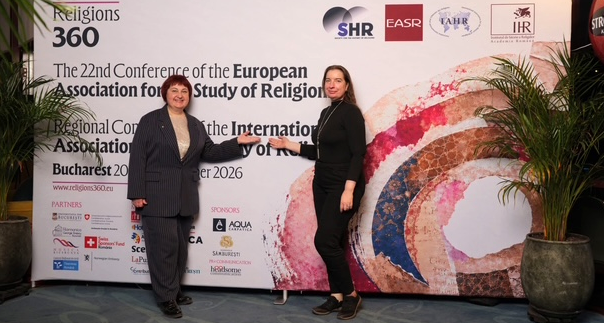
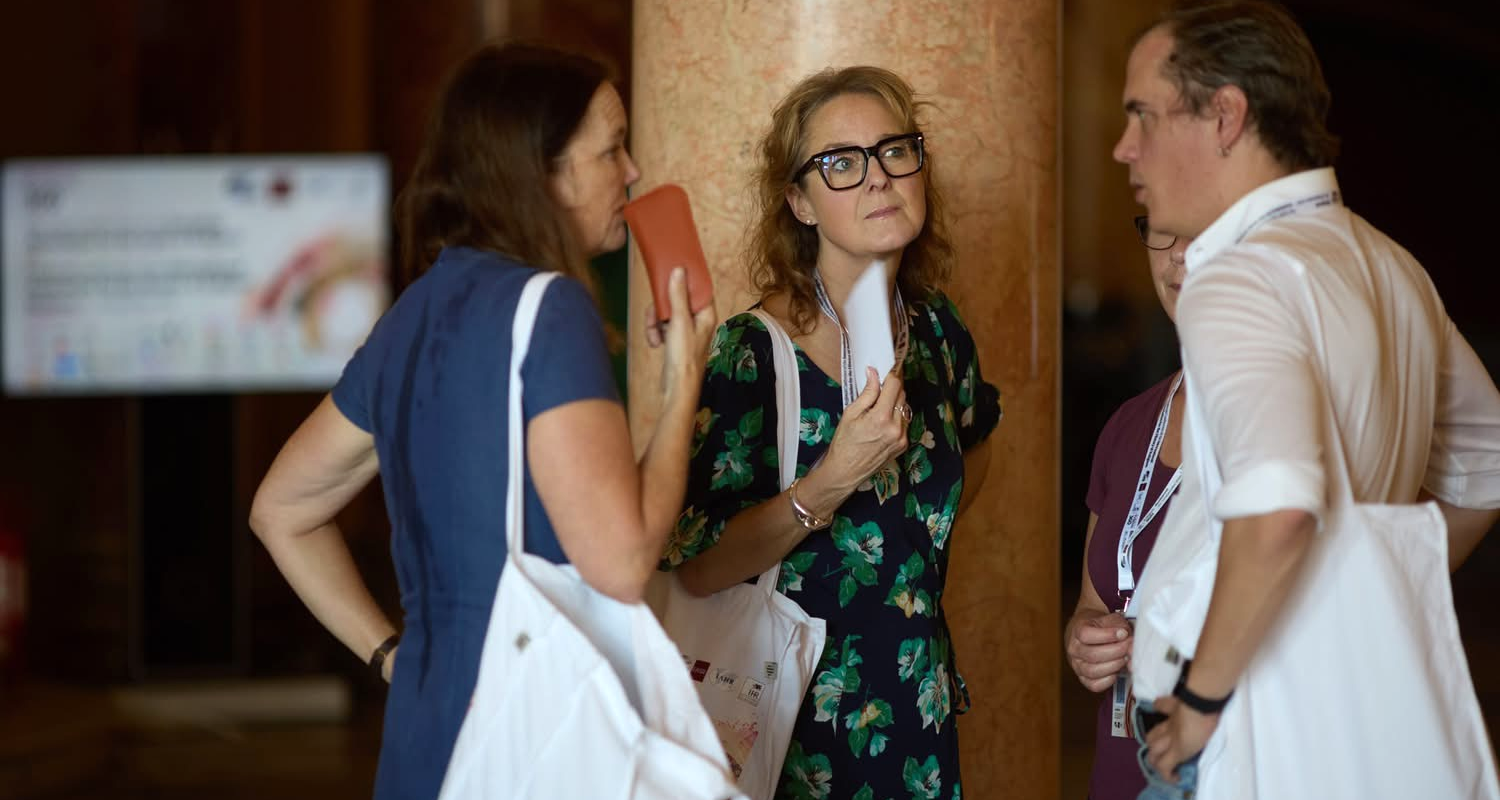
Photos from the congress
All photos were taken by photographers and other participants at the conference.



Last updated: 2026-10-22
Source: Department of Teaching and Learning