


New PhD students in Autumn 2026
In autumn 2026, eight new PhD students joined the Department of Teaching and Learning, working in the areas of mathematics education, social studies education, and teaching and learning in humanities. We are delighted to welcome them and look forward to following their research journeys.
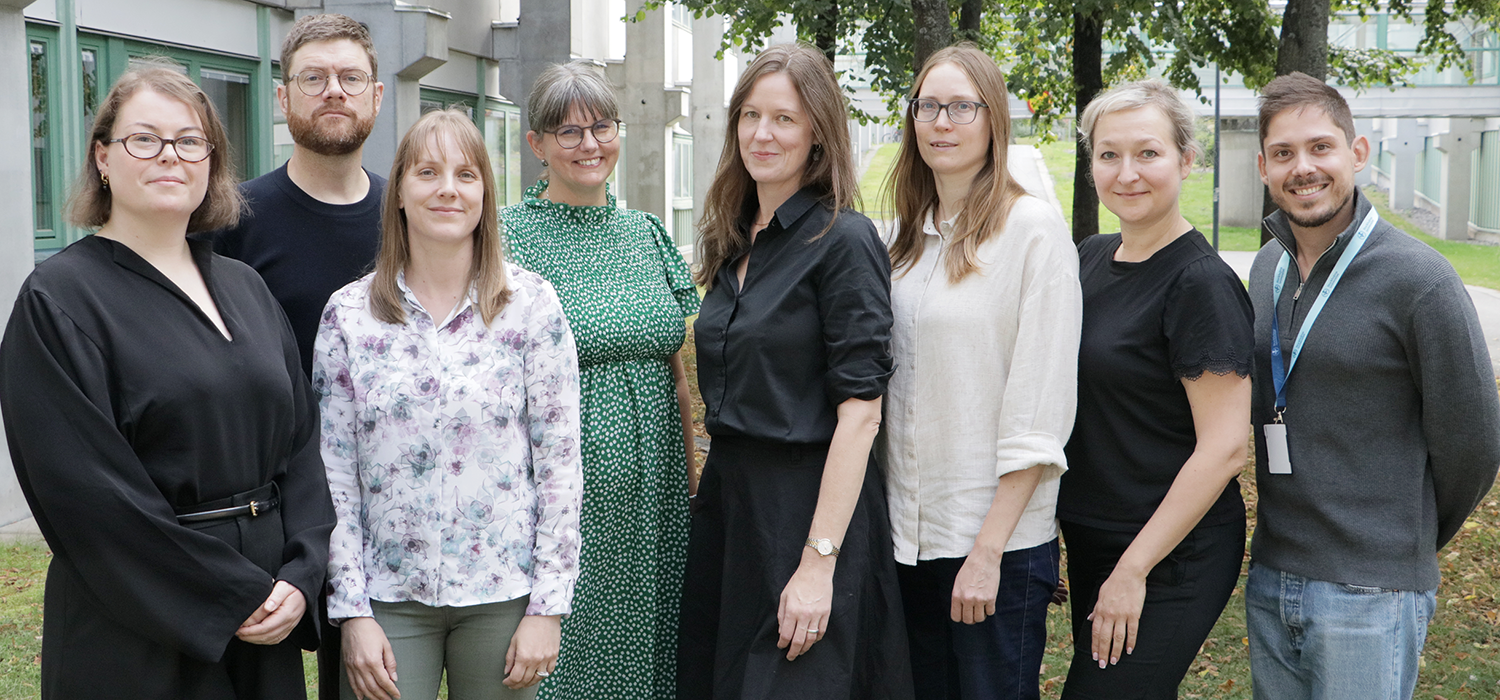
From left: Karin Lind, Johannes Berggren, Oona Croney, Matilda Nordahl, Jenny Rosengren, Josefin Bengtsson, Maryna Sazonova and Marios Vovos. Photo: Private.
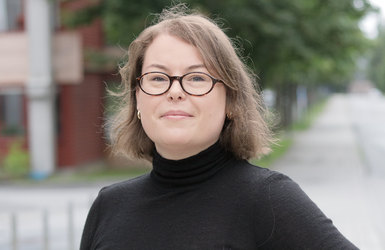
Karin Lind – Teaching and Learning in Humanities
What are you particularly interested in within your field of research?
– I am particularly interested in how historical knowledge is selected, represented and taught. In my doctoral project, I examine how the history of the Jewish minority is addressed in upper secondary school and what these selections may mean for students’ historical understanding. A central question in the project is how teaching can contribute to a broader understanding of Swedish-Jewish life and history, in which the Holocaust is an important part, but not the only story.
What do you hope to gain from your time as a doctoral student with us?
– Above all, I look forward to being part of an active research environment where I can discuss and develop my ideas together with others. I also hope to deepen my theoretical and methodological expertise while contributing research that is relevant both to the field of subject didactics and to educational practice.
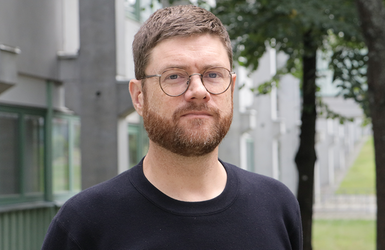
Johannes Berggren – Mathematics Education
What are you particularly interested in within your field of research?
– I conduct research in mathematics education and am particularly interested in how mathematical metaphors are used in younger students’ conceptual development when they work with fraction tasks. I am interested in what students actually do when they “do” mathematics and work with fractions – the words they use, how they demonstrate things and, for example, measure with their bodies, and what these actions can tell us about how they understand the mathematical phenomena they encounter. I am also interested in how student teachers interpret and understand such processes, and how they can notice and support students’ mathematical conceptual development.
What do you hope to gain from your time as a doctoral student with us?
– Above all, I hope to deepen my understanding of how mathematical conceptual development can be understood and what choices teachers need to make to support students’ learning. I also look forward to developing as a researcher and being part of the research environment at IÄD, where I can learn from others and exchange perspectives. And, of course, I hope to complete my doctoral thesis!
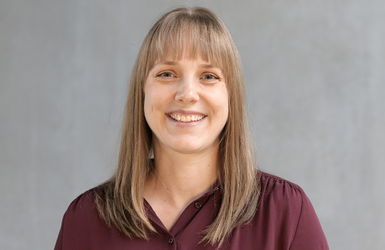
Oona Croney – Mathematics Education
What are you particularly interested in within your field of research?
– I conduct research in mathematics education, focusing on teachers’ collaborative learning and the development of teaching practices. I examine how teachers and researchers can work together to develop teaching practices through participatory action research. My study focuses on mathematics teaching in lower secondary school, with algebra as generalised arithmetic as the subject-specific content. I am particularly interested in how collaborative learning can be organised so that teachers have opportunities to jointly investigate, develop and critically reflect on their teaching. I also want to examine what is required for collaborative discussions to lead to deeper subject-didactic reasoning and actual changes in teaching practices.
What do you hope to gain from your time as a doctoral student with us?
– I look forward to developing as a researcher and deepening my understanding of how research can contribute to teachers’ professional learning and the development of teaching practices. I also hope to contribute knowledge that strengthens the connection between research and teachers’ everyday classroom practice. At the same time, I look forward to being part of a research environment where I can learn from others and develop together with colleagues.
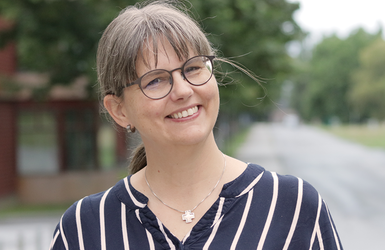
Matilda Nordahl – Mathematics Education
What are you particularly interested in within your field of research?
– I am particularly interested in how practical elements of teacher education can influence student teachers’ perceived mathematical knowledge for teaching. I want to examine what happens when mathematics is explored in more practical contexts and how this can affect students’ perceptions of their own mathematical abilities and development.
What do you hope to gain from your time as a doctoral student with us?
– I am very happy to become part of a community with so many thoughtful and engaged people. I look forward to immersing myself in an area that I find very interesting and really being able to nerd out about it. For me, it is also exciting to do this in a research environment where there is room to ask questions, think together and explore things that you are curious about.
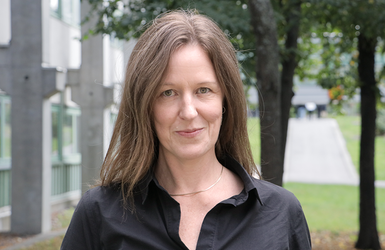
Jenny Rosengren – Social Studies Education
What are you particularly interested in within your field of research?
– I research source use in social studies and am particularly interested in how students’ ways of working with different types of sources can contribute to or hinder their development into informed and active citizens. Students encounter sources in almost every social studies lesson, but despite source use being such a central part of the subject, we still know relatively little about it. In my doctoral research, I also want to examine how teaching can be designed to give students better opportunities to develop their ability to work with sources.
What do you hope to gain from your time as a doctoral student with us?
– I am pursuing my doctorate part-time and alternate each week between teaching at upper secondary school and reading, writing and conducting research. I see it as a great privilege to move between practice and theory in this way. Research gives me new perspectives on my teaching, while my experiences from the classroom and my encounters with students help me ground my research in the realities of school. I therefore hope to develop both as a teacher and as a researcher.
– I am also very much looking forward to learning about the projects of other researchers and doctoral students and developing through courses, supervision, discussions and collaborations. I am especially happy to be doing this at IÄD and am more than happy to travel from Malmö, where I live, to Stockholm to be part of the research environment here. The fact that I travel regularly also means I have plenty of time to read fiction on the train between Malmö and Stockholm – it doesn’t get much better than that!
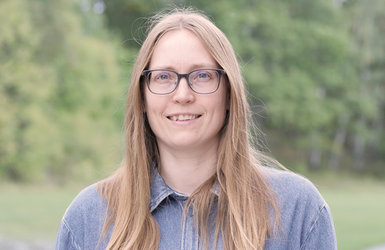
Josefin Bengtsson – Mathematics Education
What are you particularly interested in within your field of research?
– I conduct research in mathematics education and am particularly interested in how students’ visual orientation is affected by the way a task is designed. More specifically, I want to examine how the placement of information, design and layout guide attention, place demands on working memory and affect students’ performance. Ultimately, this concerns test validity – whether the results reflect students’ actual knowledge or are influenced by how well students are able to navigate the design of the task.
What do you hope to gain from your time as a doctoral student with us?
– Above all, I hope to develop as a researcher and deepen my knowledge of mathematics education. I also hope to contribute knowledge that can be significant for fairer and more equitable assessment, where students are given the best possible opportunities to demonstrate their actual knowledge.
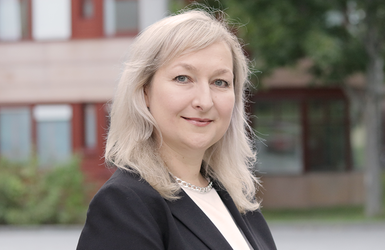
Maryna Sazonova – Mathematics Education
What are you particularly interested in within your field of research?
– I conduct research in mathematics education and am particularly interested in validity and equity in large-scale mathematics assessments, such as national tests. In my research, I examine which factors can affect students’ opportunities to demonstrate their knowledge and how the design of assessments can contribute to more or less equitable results. A particular focus is multilingual educational environments, such as those found in municipal adult education, where linguistic and mathematical aspects can interact in different ways in assessment situations.
What do you hope to gain from your time as a doctoral student with us?
– Above all, I hope to continue developing as a researcher in mathematics education and deepen my knowledge of assessment and educational measurement. I also look forward to contributing to teaching and gaining experience in test development. At the same time, I hope to draw on my background in applied mathematics and my experience of teaching at different levels and in different educational settings in my research.
Marios Vovos – Mathematics Education
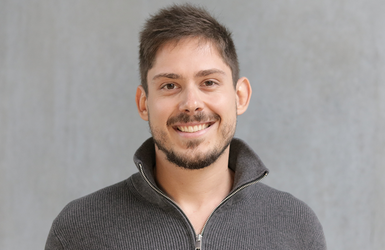
What are you particularly interested in within your field of research?
– My research focuses on mathematics teacher education. I am particularly interested in how prospective teachers design mathematical tasks and plan lessons with the support of GenAI chatbots. More specifically, I want to examine how teachers can co-create mathematical tasks together with GenAI, rather than simply using AI-generated suggestions as finished products. I am interested in how they evaluate, adapt and refine these suggestions, and how this process is connected to their mathematical and didactic thinking. More broadly, I want to understand what meaningful use of GenAI can look like in teachers’ processes of designing mathematical tasks.
What do you hope to gain from your time as a doctoral student with us?
– I hope to develop as an independent researcher and deepen my knowledge of mathematics education through my doctoral studies. Since I originally come from Greece, I also look forward to becoming part of the research environment at IÄD, learning from the researchers and doctoral students there and exchanging perspectives with them. I hope to contribute to the research community through collaboration and by contributing my own research. I am very happy about the opportunity to continue developing my research at IÄD.
Last updated: 2026-09-17
Source: Department of Teaching and Learning