


Linguistic Justice in Teacher Education – Perspectives on Sámi Languages and Sign Language
How can teacher education contribute to a more inclusive and linguistically just educational environment? This was the focus of an international workshop organized by the Department of Language Education on May 20. Particular attention was given to Sámi languages and sign language in Norway.
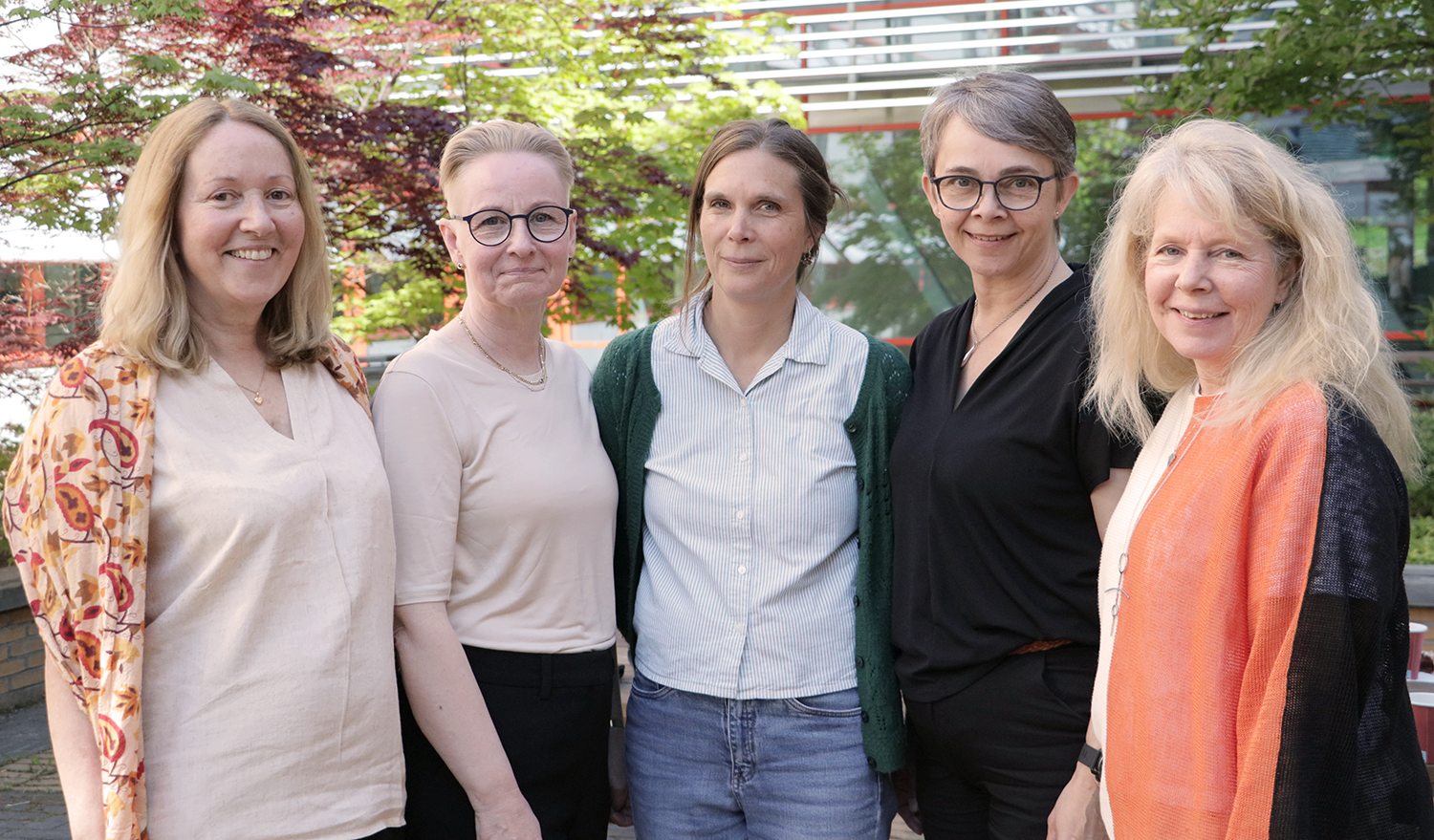
Frpm left: Christina Hedman, Sigrid Slettebakk Berge, Jenny Rosén, Hilde Sollid och Liz Adams Lyngbäck. Photo: Private.
Drawing on the Norwegian context, the workshop brought together researchers and teachers to discuss linguistic inclusion, language revitalization, and how perspectives on minority and minoritized languages can be given greater space in Swedish teacher education.
Hilde Sollid from UiT The Arctic University of Norway highlighted how Sámi perspectives in Norwegian teacher education have been strengthened through policy development and decolonial processes, while also addressing the challenges of translating policy documents into teaching practice. She emphasized the importance of language revitalization, place-based pedagogy, and the role of schools in creating inclusive learning environments for Sámi students.
Sigrid Slettebakk Berge from Norwegian University of Science and Technology discussed the position of sign language within the education system and the tensions that can arise between ideals of inclusion, technological development, and linguistic rights. The presentation also highlighted the need to strengthen the role of sign language in teaching and teacher education.
We would like to extend our warm thanks to our presenters, organizers, and all participants who contributed to engaging discussions and shared important perspectives, making the day both rewarding and memorable. Thank you!
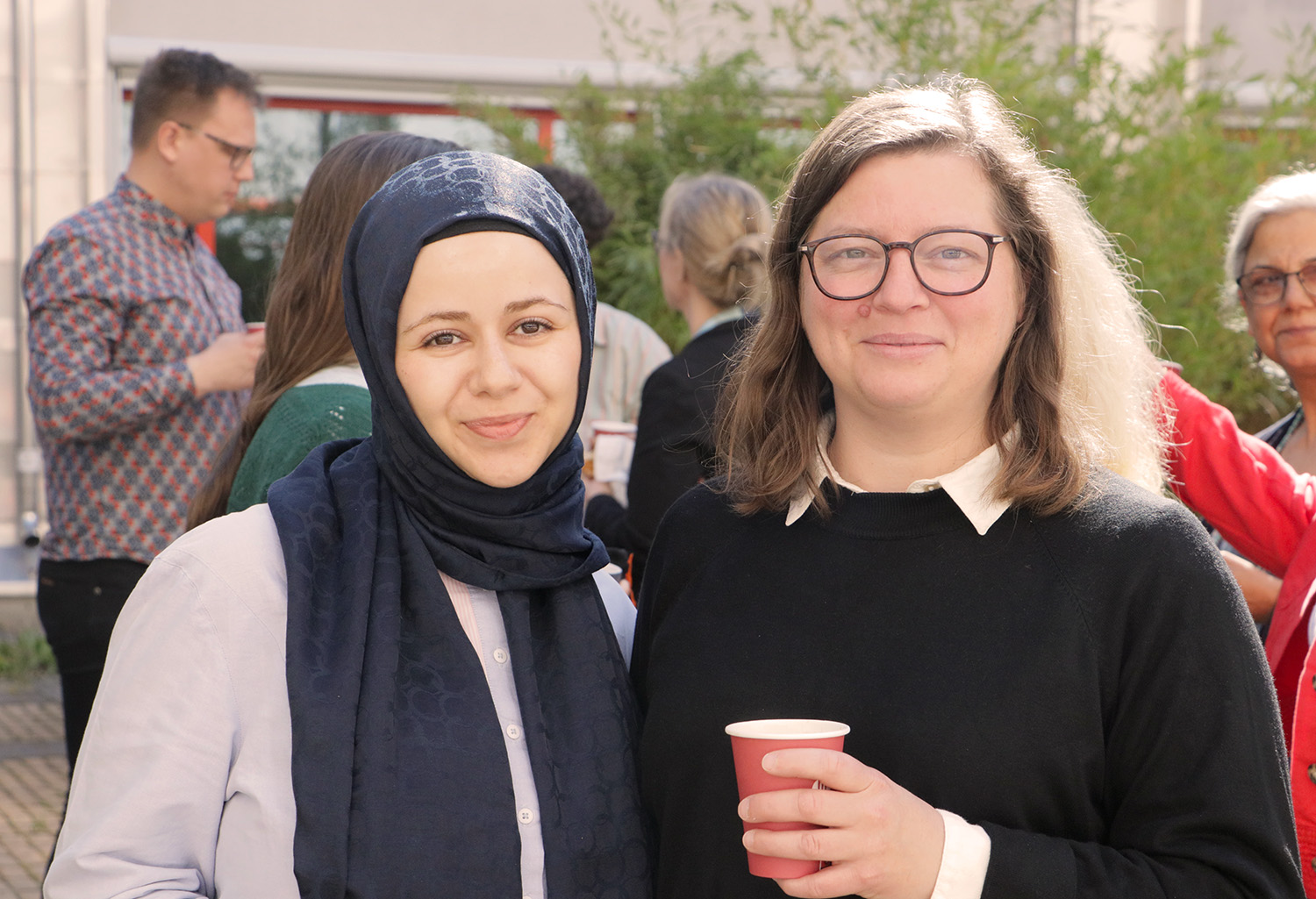
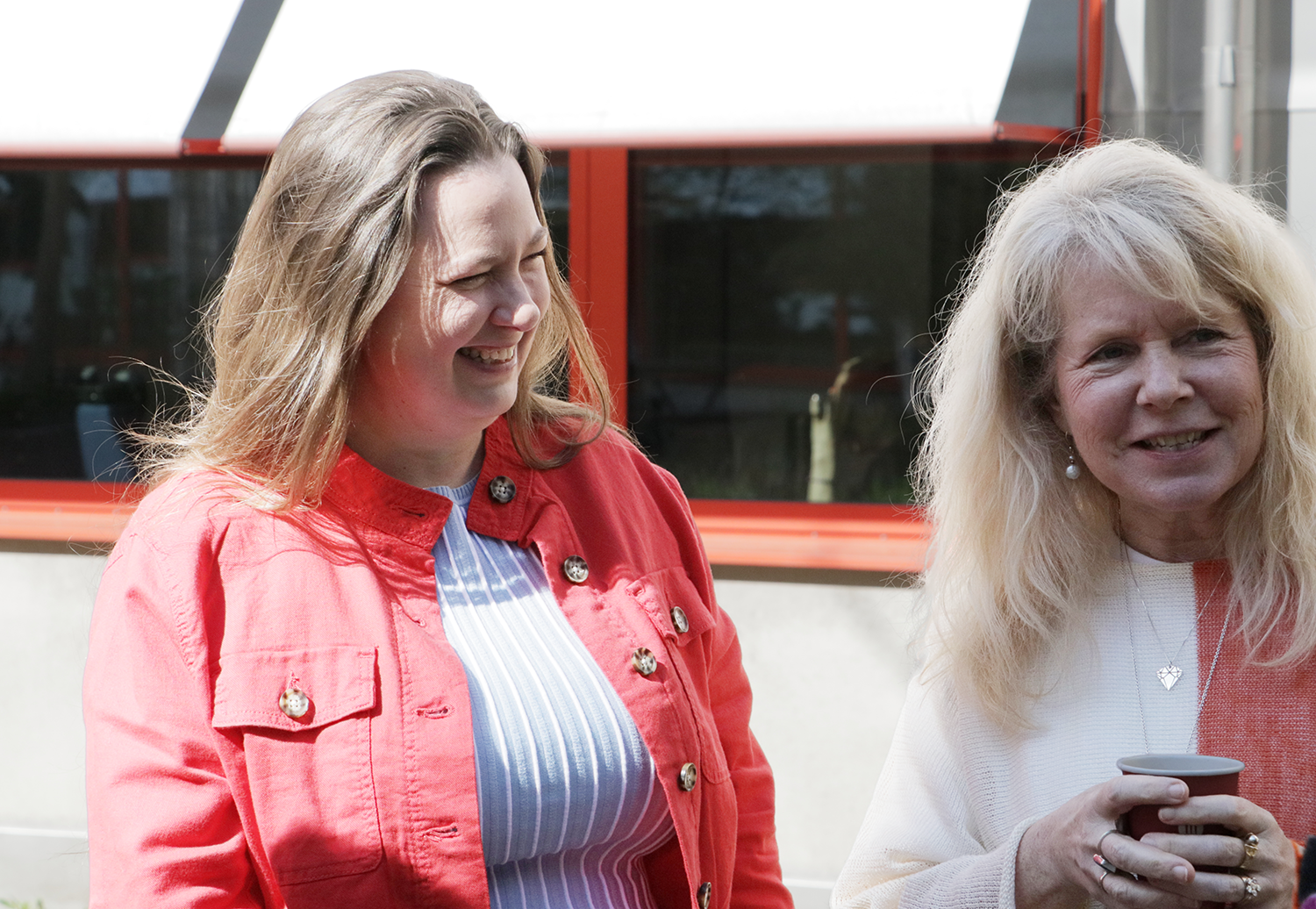
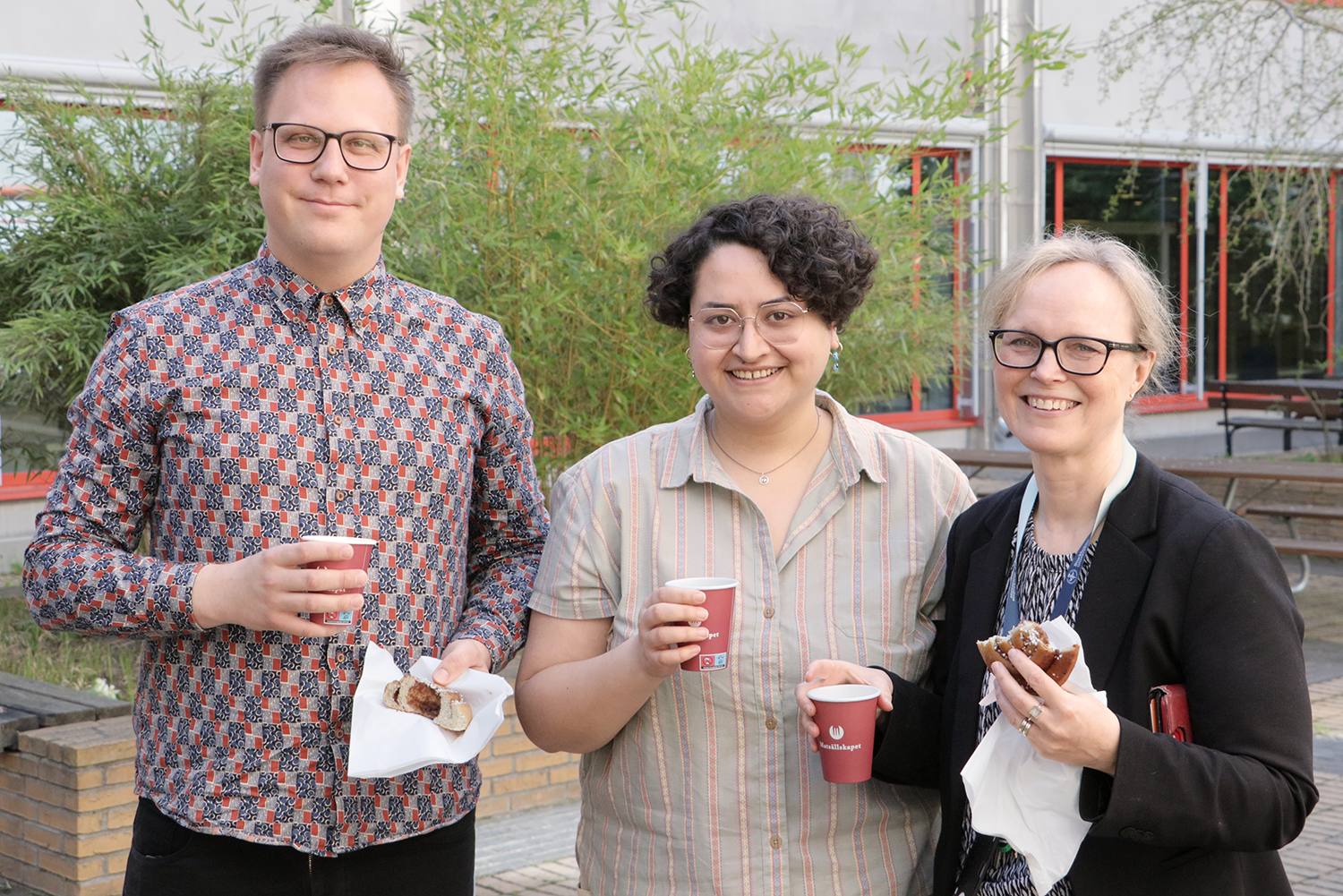
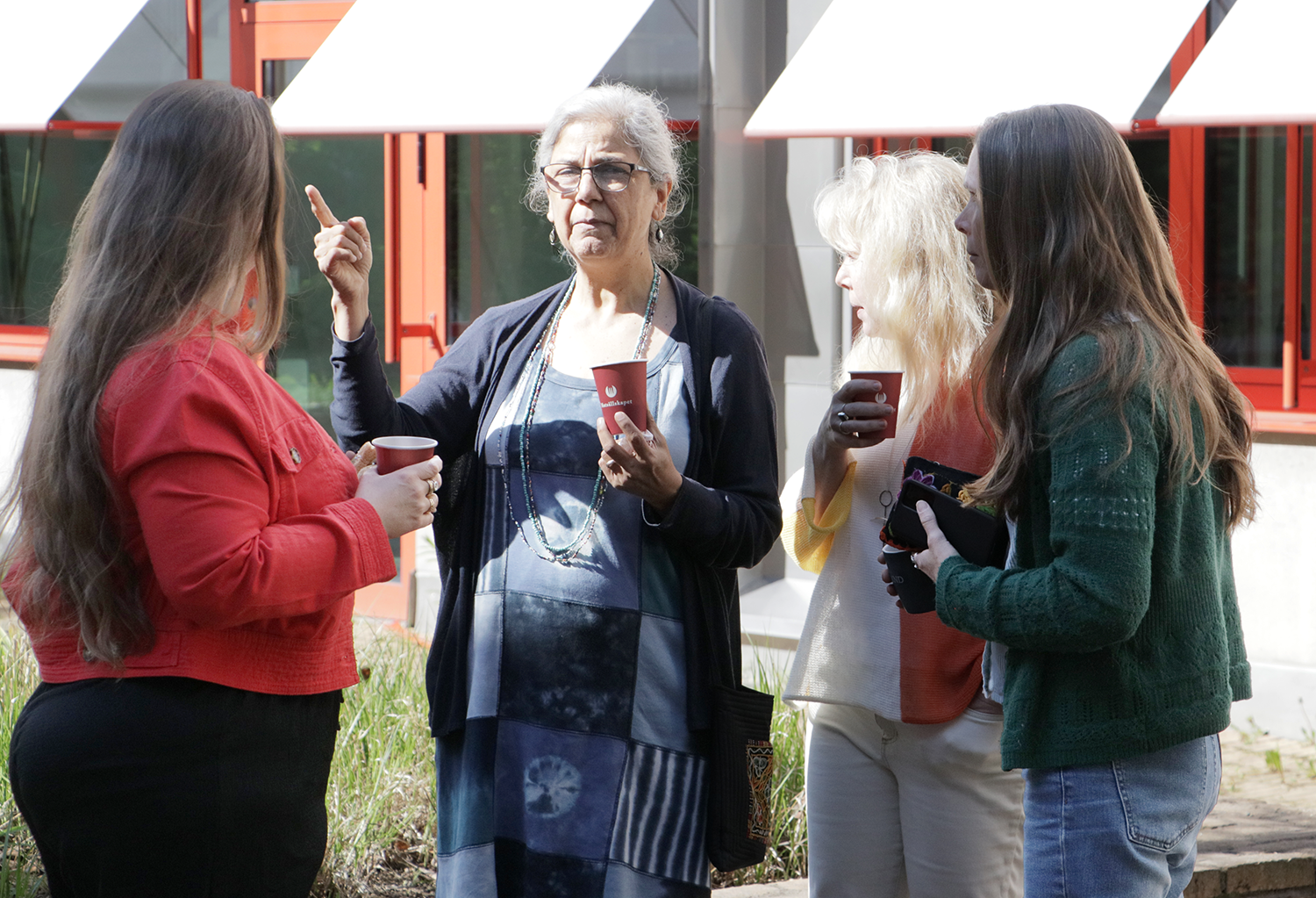
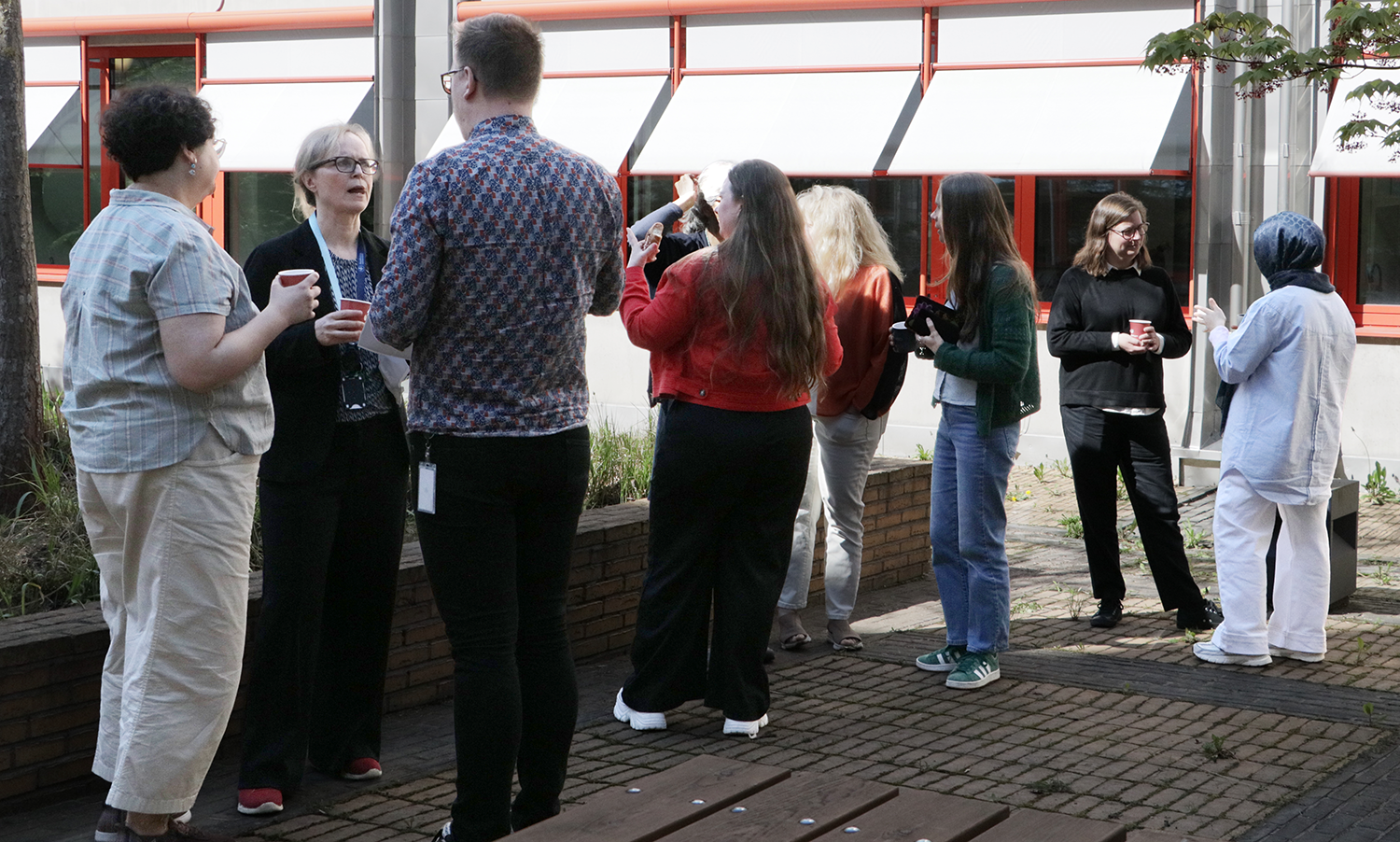
See photos from the day
All photos taken by Maria Brunzell.


Last updated: 2026-06-15
Source: Department of Teaching and Learning