


Intensive parenting culture is not a deterrent to childbearing intentions
Fertility rates are on the decline in Sweden. At the same time, intensive parenting attitudes have become a norm. However, these two developments are not related in a way that we would expect, according to a new study by Sunnee Billingsley, Stefanie Möllborn and Gerda Neyer from Stockholm University.

Photo: Mickes Fotosida/Mostphotos
Previous qualitative sociological studies on the subject have consistently pointed out that people nowadays experience parenting as too demanding. Moreover, economic theories suggest that a high cost of having children would have negative effects on childbearing intentions. Sunnee Billingsley and her colleagues were therefore expecting that intensive parenting culture, where parents invest significant amounts of time, energy and money into their children, would be contributing to the fertility decline.
”That was my entire motivation for starting this project and for getting this data. To find out that, in fact, it's the exact opposite, is a big surprise. And as a researcher, I love surprises. The data get to say, not me”, says Sunnee Billingsley, professor of sociology at Stockholm University.
The researchers used data from the Swedish Generations and Gender Survey, where they included questions about intensive parenting attitudes and plans to have children in the near or distant future. The results show that those who reject intensive parenting are least likely to intend having children.
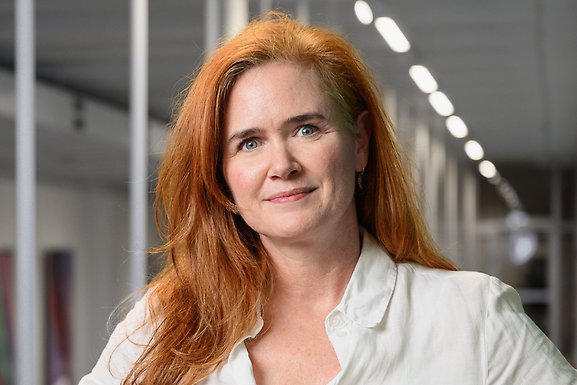
Sunnee Billingsley. Photo: Simon Hastegård
Sunnee Billingsley explains that when someone has made a decision to enter parenthood, they might have already gone through some thinking about the issue, meaning that there is some anticipatory socialization at play. Intensive parenting and intentions to have children seem to come as what the researchers call a ’package deal’.
”If you’re thinking about having a child, you’re looking around, noticing what parenthood culture looks like now. When you get on board with parenting, you also get on board with what the cultural demands of parenting are now. That’s why we’re calling it the package deal”, says Sunnee Billingsley.
While this study measures plans to have children, the next step will be to look into how actual childbearing relates to intensive parenting attitudes.
”But I think the point is that the vast majority of Swedes do adhere to intensive parenting attitudes, and they still intend to enter parenthood and have two or three children. That's what the data is showing. It’s not that the group that's opting out of parenthood is the one that really endorses these attitudes. It's the people who have kids who uphold them”, says Sunnee Billingsley.
What is intensive parenting?
Intensive parenting: The recent development of norms on how to be a “good” parent have been labeled “intensive parenting”, which involve “child-centered, expert-guided, emotionally absorbing, labor intensive, and financially expensive” parenting practices aimed to advance children’s social and cognitive development.
The study
Contact
Sunne Billingsley: sunnee.billingsley@sociology.su.se
Last updated: 2026-10-20
Source: Communications Office