


Women with Disabilities Face Barriers on the Path to Motherhood
Although women with disabilities have the same fundamental right to become parents as other women, they may face both practical barriers and prejudice when they want to become mothers. A new study from Stockholm University and National Taiwan University explores the experiences of six women with physical disabilities in Taiwan. The study shows how motherhood can also become a way of challenging assumptions about what women with disabilities are capable of.
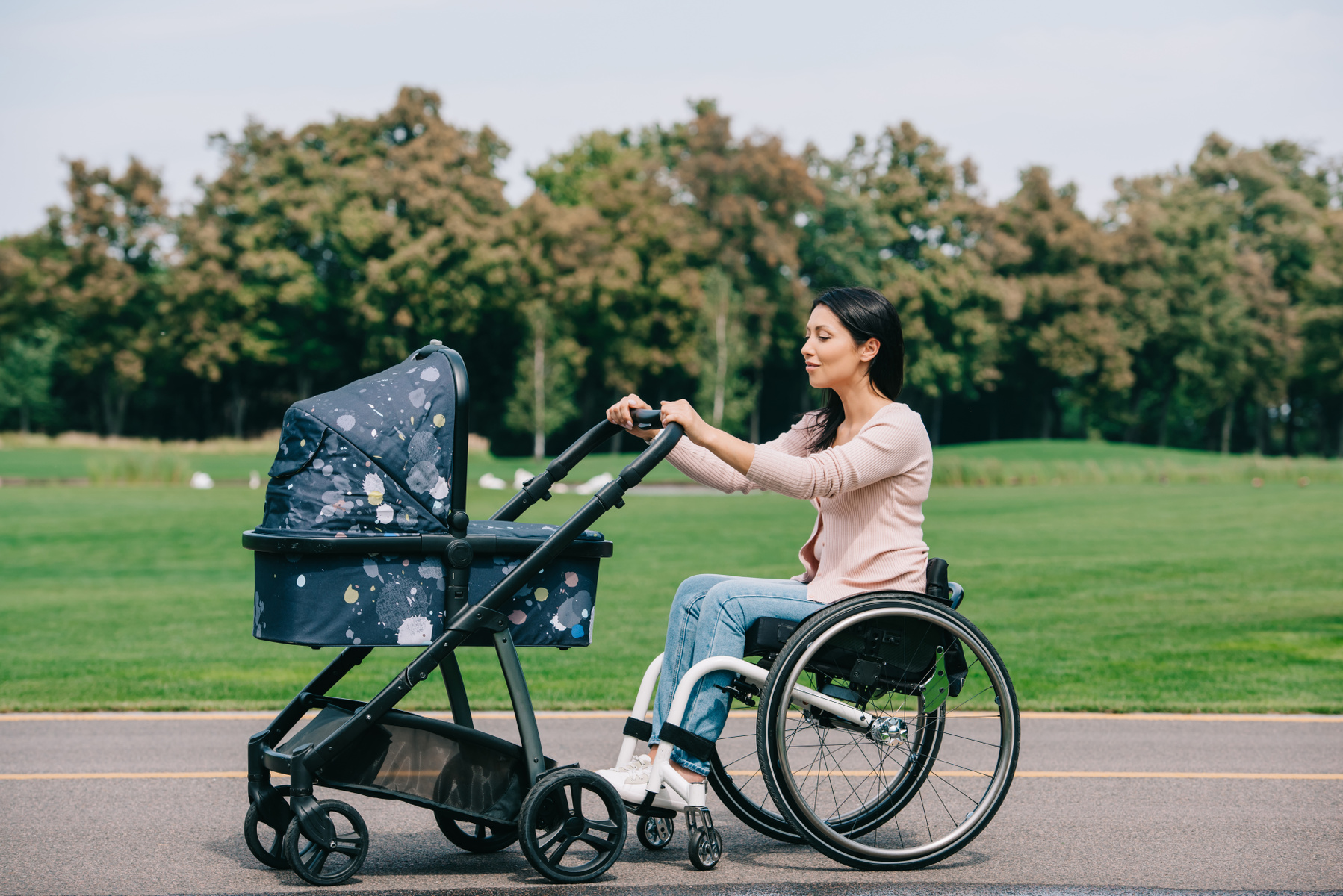
Photo: Mostphotos
In the study, the researchers interviewed six women with physical disabilities in Taiwan to explore their experiences of deciding to become mothers, navigating pregnancy and childbirth, and receiving support from a healthcare system that is not always designed around their needs. All the women had given birth within the previous decade and described their journey from considering motherhood to pregnancy, childbirth and life as a parent.
A recurring theme in the interviews was the perception that women with physical disabilities cannot or should not become mothers. For some of the women, other people’s reactions also affected how they viewed their own possibilities of starting a family.
At the same time, the women’s stories show that their own experiences did not always match the assumptions of those around them. Once they became mothers, the experience could instead strengthen their confidence in their own abilities. Motherhood also became a way of challenging assumptions about people with disabilities.
“Women with physical disabilities often face doubts about their ability to become mothers. Traditional gender expectations of women as caregivers may lead others to question whether they can care their families”, says Chong-Min Su, PhD student at the Department of Public Health Sciences at Stockholm University.
Photo: Private
Meanwhile, negative assumptions about disability may lead people to doubt their ability to carry a pregnancy. These attitudes can also make women doubt themselves, affecting their confidence and choices. Yet their own wishes and voices are often overlooked.
Healthcare Not Always Adapted to Women with Disabilities
The women also described concrete barriers in their encounters with healthcare. These included healthcare professionals lacking experience of pregnancy among women with physical disabilities. Healthcare environments and medical equipment could also be difficult to use.
As the women’s bodies changed during pregnancy, their support needs changed as well. But the social services and assistive devices that had worked for them before pregnancy were not always sufficient as their pregnancies progressed.
The study therefore shows that accessibility is not simply about being able to enter a healthcare facility. It also requires healthcare providers to have the knowledge and preparedness to adapt examinations, information and support to individual needs.
“Basic antenatal care can be challenging for women with physical disabilities. For example, when seated weight scales were not available, some interviewees had to be held by their partners while being weighted, which increase the risk of falling”, says Chong-Min Su.
Some interviewees also skipped urine tests because incontinence made it difficult to collect urine samples. This could affect the diagnosis of pre-eclampsia and urinary tract infections. Although alternatives may be available, they were not always informed about them or given support to access them.
Motherhood as a Transformative Experience
Despite the barriers they encountered, the study also describes motherhood as an experience that could change how the women viewed themselves. Having a child gave several of the women greater confidence in their own abilities and made them more willing to challenge negative assumptions about disability. According to Chong-Min Su it is about agency and about how women navigate between their own aspirations, other people’s expectations and the practical conditions for being a parent.
“Pregnancy and motherhood were uneasy but rewarding experiences for our interviewees. Facing unfair treatment and physical barriers made them more aware of their rights and more willing to speak up for their needs. Becoming mothers also gave them more opportunities to participate in society through raising their children and to make choices that shaped their own lives.”, he says.
Towards More Inclusive Maternity Care and Parenting Support
The study also highlights the importance of interdependence, showing that living independently does not mean doing everything alone. While the women often relied on personal networks for support during pregnancy and parenting, formal services were often insufficient. This points to the need for better services to support the health and well-being of both mothers and their children.
Although Taiwan and Sweden have different healthcare and welfare systems, recent reports from Sweden suggest women with disabilities shared similar challenges during pregnancy and parenting. To ensure their equal rights to health and family life, more research and concrete action are needed to understand their experiences and improve healthcare and support services.
“Improving reproductive health and well-being for women with disabilities starts with understanding their lived experiences and needs. Challenging prejudice against people with disabilities and making social and healthcare services more accessible are essential to creating a more inclusive environment where everyone can build a family life of their own”, says Chong-Min Su.
Håkan Soold
Facts
The study Becoming mothers: reproductive experiences and agency of women with physical disabilities was recently published in the scientific journal Disability & Society. The study was supported by the Population Health Research Centre under the Featured Areas Research Centre Program within the framework of the Higher Education Sprout Project, funded by the Ministry of Education (MOE) in Taiwan and the National Science and Technology Council-funded research project.
Chong-Min Su conducted the study together with Po-Han Lee, Associate Professor in the Global Health Program and the Institute of Health Policy and Management at National Taiwan University.
This is a qualitative interview study explores the lived experiences and perspectives of women with physical disabilities. The researchers conducted semi-structured, in-depth interviews with six women with physical disabilities in Taiwan who had given birth between 2011 and 2021. The participants were recruited through social media and disability-rights organisations between December 2021 and March 2022. The participants had moderate or severe physical disabilities; two had congenital conditions, one had a hand injury and three had spinal-cord injuries. Five used wheelchairs. All were employed, and most had a college education or higher.
Chong-Min Su is currently conducting doctoral thesis project regarding the reproductive health inequalities in relation to pregnancy and childbirth among people with disabilities using Swedish nationwide register and survey data, with a particular focus on health outcomes, maternity care utilization, and experiences of care.
Last updated: 2026-10-25
Source: Department of Public Health Sciences