


Large Grant Awarded for Research on Children in Out-of-Home Care
How does family reunification affect the healthcare of children placed in out-of-home care (OHC)? Is returning to their biological families always in the child’s best interest? These are key questions that a new research project at Stockholm University will explore, thanks to nearly 5 million SEK in funding from Forte (Swedish Research Council for Health, Working Life and Welfare).

Photo: Michael Erhardsson/Mostphotos
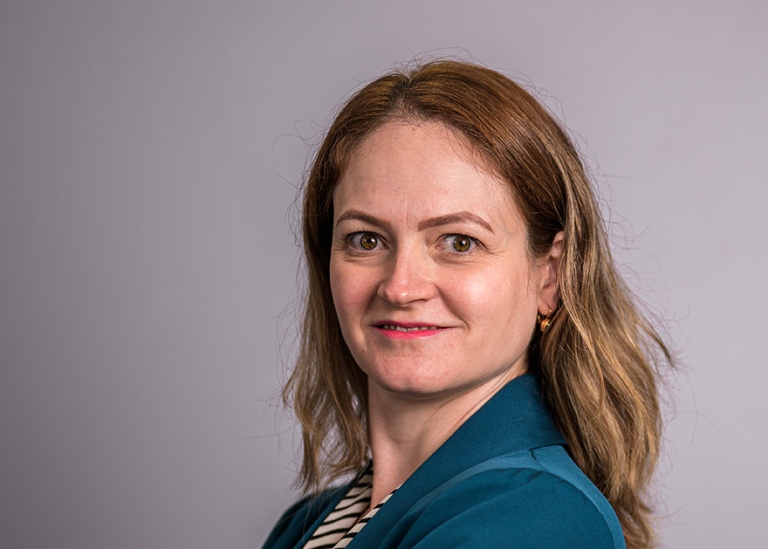
Photo: Maxim Thoré/Bildbyrån
“This funding allows us to investigate family reunification patterns and their impact on children’s healthcare use, providing critical insights into whether returning home truly benefits children placed in OHC,” says Viviane S. Straatmann, Associate Professor and Principal Investigator at the Department of Public Health Sciences.
Each year, approximately 25,000 children in Sweden receive child welfare interventions, such as out of home care (OHC) placements in foster families or institutions. While reunification with biological families is a central goal of Swedish child welfare policy, little is known about how this process affects children’s health and well-being in the long term.
We hope this research will contribute to ongoing discussions about revising family reunification legislation in Sweden and strengthening the rights of children in societal care.
Aiming to support more effective decision-making
The research team will address this gap by creating a large-scale register-based cohort, the Turn of the Millennium Swedish Children Cohort Study, comprising children born between 1999 and 2004 and their siblings and parents. Using national registry data, they will examine reunification patterns, including first placements, returns to biological families, and subsequent replacements, considering individual, family, and placement-related factors.
“By analysing multiple factors at different societal levels, our goal is to support more effective decision-making in family reunifications,” explains S. Straatmann.
The project holds significant public health importance by examining how early life interventions and family dynamics influence long-term health outcomes. Understanding these pathways can guide policies that promote the health and well-being of vulnerable children, ultimately reducing healthcare disparities and fostering better integration of social and healthcare services.
Providing an evidence base for new policies and practices
The project will assess healthcare use and medication patterns among these children until age 24, employing advanced statistical methods to analyse complex, longitudinal data. The findings aim to foster better coordination between social services and healthcare providers.
“We hope this research will contribute to ongoing discussions about revising family reunification legislation in Sweden and strengthening the rights of children in societal care,” S. Straatmann adds. “Our work will provide an evidence base for new policies and practices that enhance support for families during reunification, minimize risks, and promote stability.”
Håkan Soold
Project Facts
Project Title: Does Going Home Serve the Best Interests of Children in Out-of-Home Care? Patterns of Family Reunification and its Impact on Healthcare Use in Children and Young People
Funding: 4,969,000 SEK over three years from Forte
The project brings together an interdisciplinary team:
• Viviane S. Straatmann (Principal Investigator) Docent, Department of Public Health Sciences, Stockholm University
• Ylva B. Almquist, Professor, Department of Public Health Sciences, Stockholm University
• Marie Berlin, Researcher, Department of Social Work, Stockholm University
• Hilma Forsman, Associate Professor, Department of Social Work, Stockholm University
• Anders Hjern, Professor of Social Epidemiology, Karolinska Institutet and Stockholm University
• Bo Vinnerljung, Professor Emeritus, Department of Social Work, Stockholm University
Last updated: 2025-01-10
Source: Department of Public Health Sciences