


Home environment has an impact on who becomes a boss
The fact that managers often come from families with high socio-economic status is well recognised in leadership research. But the home environment and attitudes in families also play an important role. This is shown by a new study from researchers at the Department of Public Health Sciences and the Swedish Institute for Social Research at Stockholm University.

Photo: Yuri Arcurs/Mostphotos
Non-authoritarian parenting and a positive attitude towards education are factors that increase the chances of children from lower socio-economic status families to take up a leadership position later in life. This is shown in the study Like mama always said: family socio-economic status, maternal attitudes and leader role occupancy in adulthood.
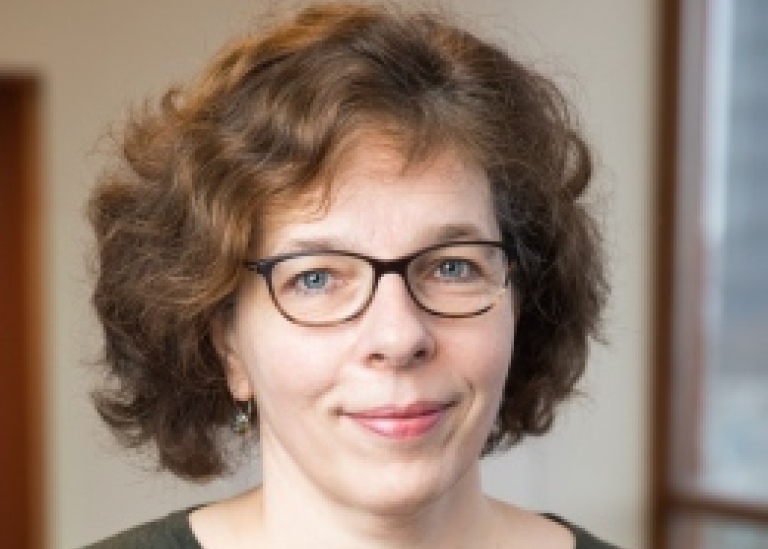
Therese Reitan
“If you have a good relationship with your children and encourage them to get an education, it can both reinforce the benefits of higher socio-economic status and compensate for the disadvantages of lower social classes," says Therese Reitan, Professor of Public Administration at Södertörn University and researcher at the Department of Public Health at Stockholm University.
Study of over 3000 men until they are 55 years old
The analyses she has carried out together with Sten-Åke Stenberg, a researcher at the Swedish Institute for Social Research, are based on the Stockholm Birth Cohort Multigenerational Study (SBC Multigen). They have studied register and survey data (including data from military service) on over 3000 men born between 1950 and 1976 and their mothers' attitudes to education and child-rearing in the late 1960s. They have followed the men until the age of 55, the age at which most of them have reached their highest professional position.
If you have a good relationship with your children and encourage them to get an education, it can both reinforce the benefits of higher socio-economic status and compensate for the disadvantages of lower social classes.
The study shows that the socio-economic status of the family has a significant impact on who gets a managerial role later in life. This effect is mainly mediated by education level. But it also found that a notable proportion of the overall effect of family socio-economic status is channelled through maternal attitudes towards education. Positive attitudes towards education in the home environment were as important as the cognitive capacity of the child later on at muster for military service.
“The result of the IQ test at enrolment was thus influenced by home conditions. Stimulation in the home through the mother's attitudes towards child rearing and education had an impact on both IQ (at enrolment) and later educational attainment. There was a positive expectation about the importance of education," says Therese Reitan.

Sten-Åke Stenberg
“In the study, we show that authoritarian parenting styles are negatively associated with both cognitive capacity and educational attainment, both of which are closely related to formal leadership roles, such as managerial positions," says Sten-Åke Stenberg.
He is doing research at the Institute for Social Research at Stockholm University and is project manager of the research project To become or not to become a leader, of which this study is a part.
Focus on family and social factors
In traditional leadership research, there was initially a great deal of interest in the family and the social classes from which leaders came, but then the focus became more on individual characteristics, personality types and leadership styles, according to Therese Reitan. But in this study, she and Sten-Åke Stenberg have once again turned their attention to family relationships and social factors.
“We have started a bit at the other end, you could say. Instead of starting with those who have a particular outcome, i.e. a formal leadership position, and looking backwards in their background and history, we have prospectively followed a cohort of Stockholm children through life," says Sten-Åke Stenberg.
“This is a different perspective than what is common in conventional leadership research, which often focuses on individuals who are established in their leadership positions This provides a selective picture as it only includes people who already hold leadership roles," says Therese Reitan.
Håkan Soold
Like mama always said: family socio-economic status, maternal attitudes and leader role occupancy in adulthood
The study Like mama always said: family socio-economic status, maternal attitudes and leader role occupancy in adulthood was published in June in the scientific journal Longitudinal and Life Course Studies. It is part of the research project To become or not to become a leader at the Swedish Institute for Social Research at Stockholm University. A project funded by Forte (the Swedish Research Council for Health, Working Life and Welfare).
Last updated: 2024-09-06
Source: Department of Public Health Sciences