


Nordic QCI: Cybersecurity in the Quantum Era
Nordic Quantum Communication Infrastructure (NordicQCI) held a kick-off meeting for the consortium and its partners on January 22–23. The project aims to develop and implement the most effective solutions for secure communication – from local city networks and long-distance connections to land-based networks, satellites and submarine cables.
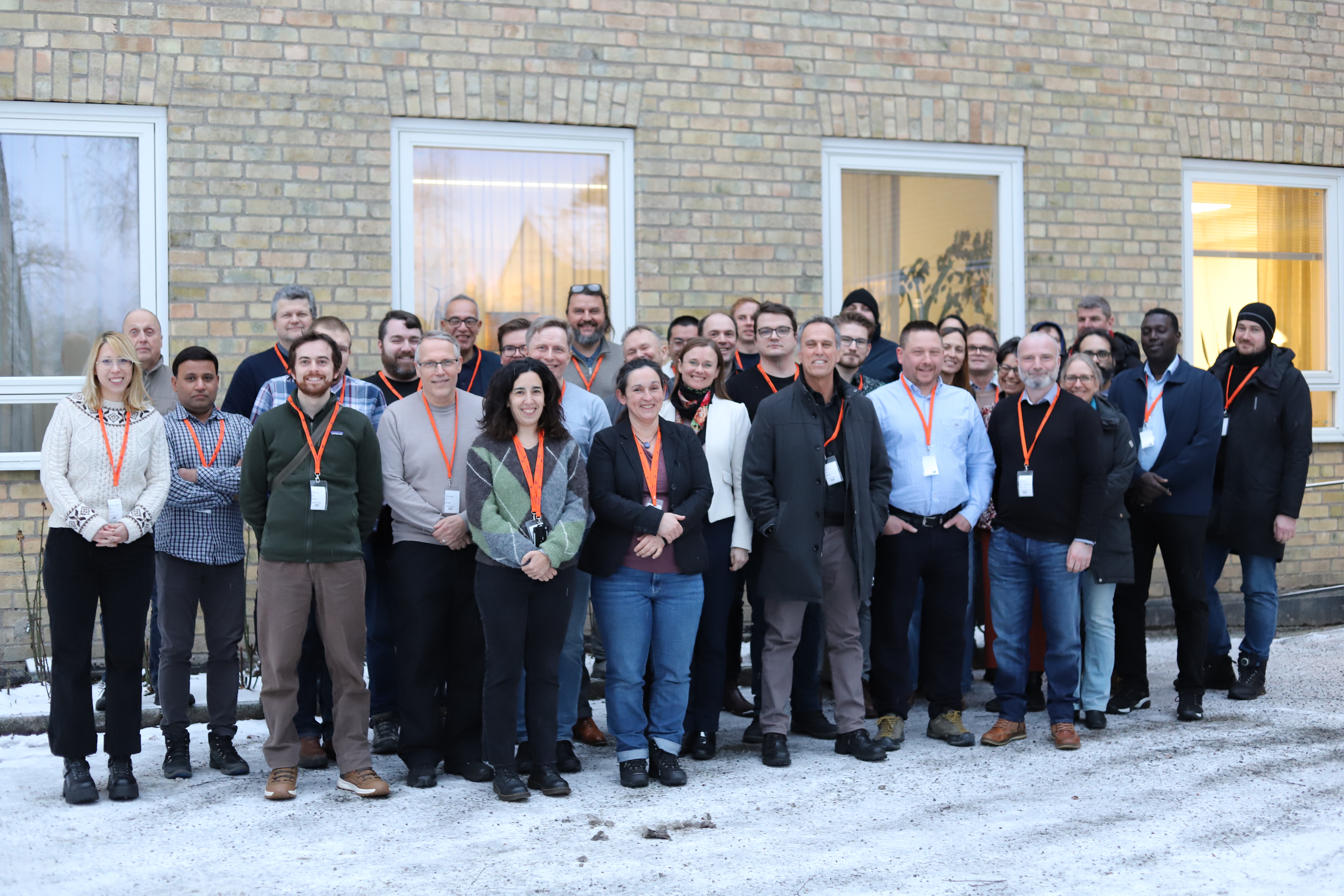
NQIS Kick Off Meeting on January 22-23 2026. Photo: Gunilla Häggström
NordicQCI is part of Europe's EuroQCI network – a secure quantum communication system that spans the entire EU, including its overseas territories. The project aims to connect cities, countries and satellites with quantum networks that are secure against intrusion.
Kick off for collaboration
On January 22-23 2026, NordicQCI held a kick-off meeting for the consortium and its partners, with participants from Sweden, Finland, and Estonia. During the meeting, researchers and project managers presented updates on research, project coordination, and cross-border quantum networks. The project comprises five work areas, several of which are cross-border between Finland–Sweden and Estonia–Finland.
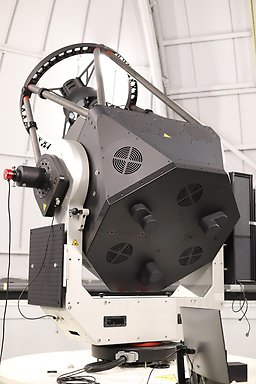
The new Telescope at AlbaNova. Photo: Gunilla Häggström
Connecting infrastructure on land, sea and space
The new 80 cm telescope at AlbaNova was installed on 10 September 2025.
"The telescope will be used for both education and research in quantum communication, as well as for tracking satellites as part of the NordicQCI network," says Professor Mohamed Bourenanne, who heads Work Area 3: Space. Satellites such as EAGLE 1 communicate directly with Sweden's land-based quantum network.
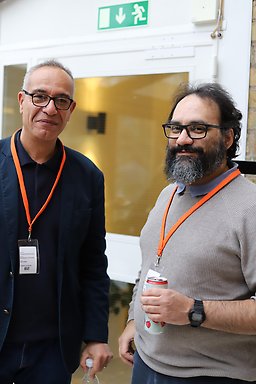
Professor Mohamed Bourenanne and Senior Scientist João Pereira, RISE. Photo: Gunilla Häggström
Connecting land, sea and space
The implementation of the terrestrial cross-border links will be carried out via the submarine cables connecting Tallinn, Helsinki, Åland and Stockholm. In addition, this project will facilitate the integration of Nordic quantum networks with EuroQCI's space segment via an optical ground station (OGS) in Stockholm, demonstrating the capabilities of the Eagle-1 satellite in the Nordic environment.
The project has received SEK 17.4 million in funding from the EU, Vinnova, and the Advanced Digitalisation Programme over 42 months.
Last updated: 2026-03-27
Source: Communications Office