


Future Biologists: Personal qualities matter as much as skills
In November, BIG’s Future Biologist network brought together master’s students, teachers and alumni for the autumn networking event, titled The Expected Skills of a Master from BIG.
Following an introductory presentation, participants heard from alumni who shared their career journeys and experiences from working life. Students then had the opportunity to network and ask questions to alumni, teachers and study adviser staff.
One of the invited speakers was Marita Teräs from Naturvetarna, who gave an overview of the job market for biologists in both the Life Science sector and the environmental field. She highlighted that demand for biological expertise remains strong, but that employers are increasingly looking for candidates who can combine subject-specific knowledge with other skills, such as project management, communication and the use of digital tools. At the end of this article, you'll find Marita's guide to common workplaces and employers for biologists in the life science and environmental sectors.
A recurring theme throughout the afternoon was that, while a degree and subject knowledge are important, personal qualities are often decisive in the recruitment process:
We train for skills and recruit for attitude.
Mårten Wallberg, Chief Executive Officer of the Green Party in Stockholm, shared his best advice for students entering the job market. He emphasised the importance of submitting a well-written application free from language errors, thoroughly researching the organisation before an interview, and considering how you can contribute to and improve the workplace. He also highlighted humour as an often underestimated asset in professional life.
Kristian Carlborg from AstraZeneca explained that it was not primarily his specialist knowledge from doctoral studies that secured him a position, but rather his ability to organise information and work systematically. In his experience, employers often place great value on personal qualities and the ability to collaborate effectively.
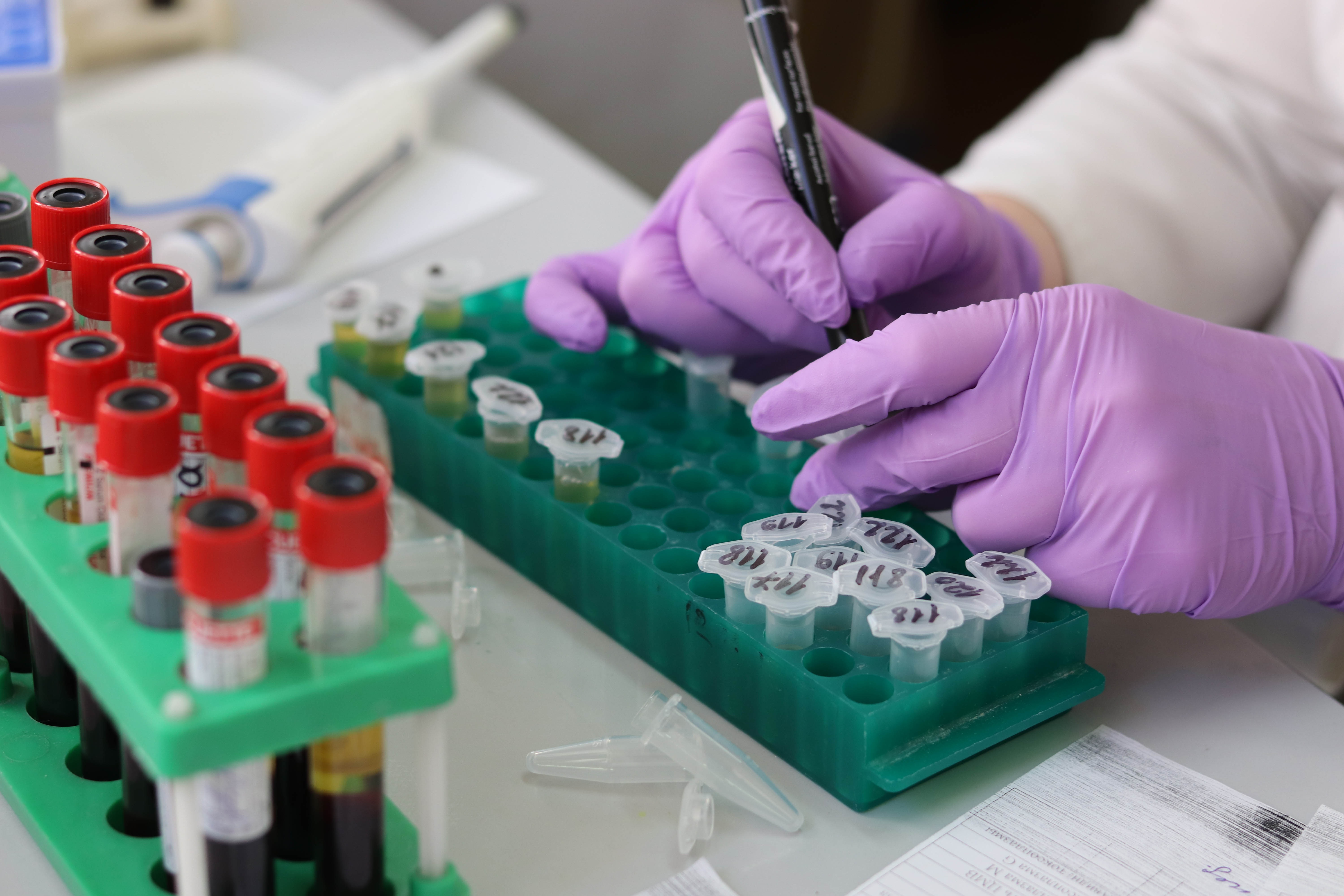
The Life Science sector offers career opportunities in areas ranging from pharmaceuticals, biotechnology and medical technology to diagnostics and health technology. During the Future Biologist event, students gained insights into the development of the sector and its future labour market.
Ellen Bruno from Stockholm University Baltic Sea Centre also shared her experiences. Her advice to students was to remain open to opportunities outside their area of specialisation and to be willing to relocate if the right opportunity arises. She also stressed the importance of maintaining wellbeing during periods of job searching and remembering that not receiving a job offer is not a personal failure, but often simply reflects that the employer was looking for a different profile at that particular time.
The event provided students with valuable insights into the labour market and an opportunity to build connections with both alumni and representatives from a range of professional sectors.
Last updated: 2026-11-17
Source: Department of Biology Education