


New book on the role of science and trust in an age of disinformation
BIG’s Head of Department, Niklas Janz, has recently published the book Understanding Science: The Web of Trust together with his colleague Sören Nylin, Professor of Animal Ecology at Stockholm University.
The book is aimed primarily at students and early-career researchers, but is also written for a wider audience interested in understanding how science works, from the philosophy of science to practical matters such as publishing, statistics and research ethics. Its starting point is simple yet fundamental: at a time when the role of science in society is often questioned, more people need to understand how scientific knowledge is actually produced.
%20Niklas%20Janz%20och%20S%C3%B6ren%20Nylin.jpg)
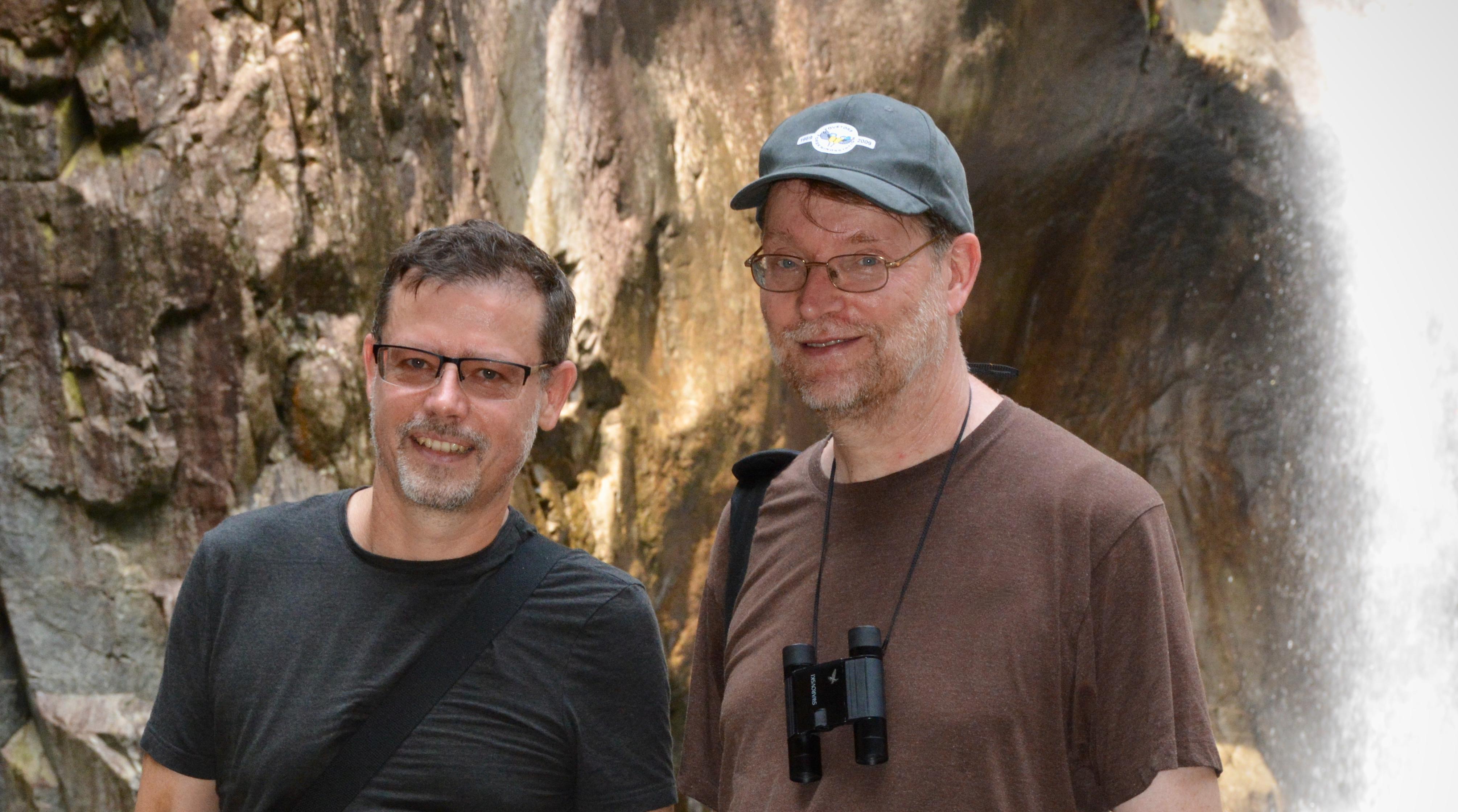
Niklas Janz, Head of Department at BIG and Professor of Evolutionary Insect Ecology, together with Sören Nylin, Professor of Animal Ecology.
The book draws on more than twenty years of joint teaching on the philosophy and practice of science at Stockholm University.
We want more people to be able to explain what science really is.
Why did you write this book?
– The book grew out of our teaching experience. For more than two decades, we have taught students both the philosophy of science and how science works in practice. We found that there was no single book that brought these perspectives together in an accessible way, says Niklas Janz.
He believes that anyone working in or studying science needs to be able to articulate what science is and what makes it a distinctive form of knowledge.
– Our aim is to provide a fundamental understanding of how science works and why it is such a reliable way of generating knowledge about the world.
Why is such a book needed now?
– The role of science in society is being discussed more than it has been for a long time. At the same time, a great deal of disinformation and scepticism towards science is spreading. That makes it even more important to understand how scientific knowledge is built up and why it can be more reliable than other types of information.
He emphasises that trust is a key part of this.
– We often talk about the importance of being critical, but this is sometimes misunderstood. Being critical is not just about questioning or dismissing information – it is about evaluating it and judging what is credible. This is a skill that takes time to develop; it requires knowledge and an understanding of how scientific knowledge is constructed. That is why we believe the message of this book is so important.
The book’s subtitle is The Web of Trust. What does it refer to?
– Science relies to a great extent on a network of trust. Researchers must be able to rely on each other’s results, on methods, on peer review processes and on institutions. At the same time, this trust must continually be earned through transparency, critical scrutiny and robust methods.
The authors aim to show how these different elements are interconnected.
– We want to present science as a system in which many components work together to produce reliable knowledge.
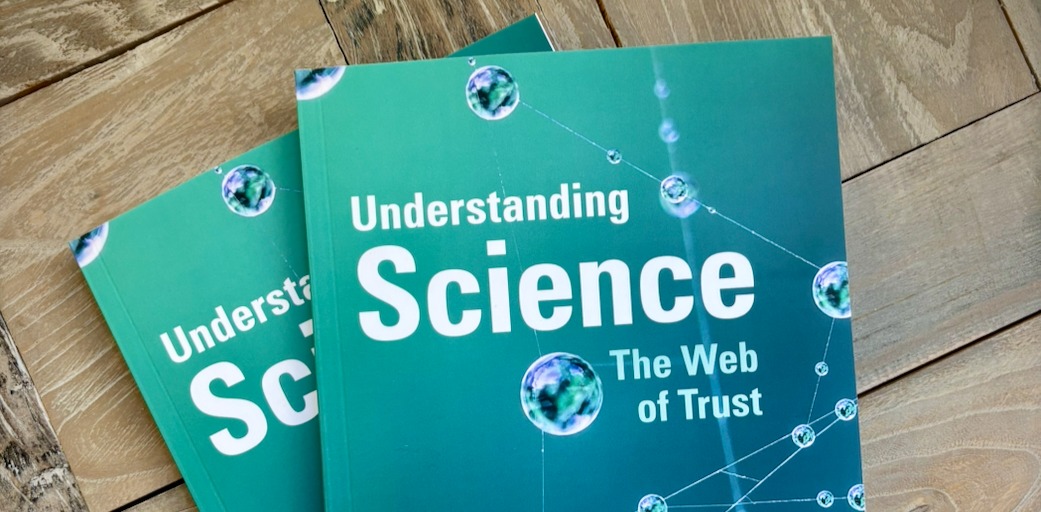
Science’s “web of trust” is shaped by collaboration, review and shared methods.
What can readers expect from the book?
– The opening chapters introduce key ideas in the philosophy of science, but in relatively accessible language. We then move on to how science works in practice, for example, the importance of experiments, statistics, publishing, bibliometrics and research ethics, as well as the significance of scientific knowledge beyond academia.
The aim is to demonstrate how theory and practice are linked.
– To fully understand science, you need to see both the underlying ideas and how research is actually conducted.
Who is the book primarily for?
– It is mainly intended for students in the natural sciences and engineering, particularly at a more advanced level. However, we have tried to write it in a way that makes it accessible to others as well.
Given the wide-reaching impact of science on society, he argues that this knowledge is important beyond the research community.
– Fundamentally, we believe that all citizens benefit from understanding how science works and why it is so central to making well-informed decisions in society.
You are both biologists – how does that influence the book?
– Much of the philosophy of science has historically developed from physics. As biologists, we may offer a somewhat different perspective. That is why we use many examples from evolutionary biology and ecology.
Butterflies, in particular, appear several times throughout the book.
– But the point is not biology in itself, but to use concrete examples to explain more general principles of how science works.
Last updated: 2026-03-17
Source: Department of Biology Education