Meet our teachers

In these articles, you’ll meet some of the researchers who teach at BIG, as they share their research, teaching philosophy, and passion for biology.

Get to know some of the researchers who teach at BIG, the Department of Biology Education. BIG is an administrative department and does not have its own teaching staff. Instead, the courses and programs are led by researchers affiliated with other departments at Stockholm University. These researchers come from a variety of academic environments, such as the Department of Molecular Biosciences, The Wenner-Gren Institute (MBW), the Department of Ecology, Environment and Plant Sciences (DEEP), the Department of Zoology (Zootis), and the Baltic Sea Centre. Together, they contribute their expertise and research to the teaching and educational programs offered by BIG.

Researchers at the Department of Ecology, Environment and Plant Sciences – DEEP

The Department of Ecology, Environment and Plant Sciences (DEEP) at Stockholm University conducts research and education in botany, ecology, evolution, and environmental science. DEEP was established in 2013 through the merger of three departments and is today a leading institution in both fundamental and applied marine biological research.
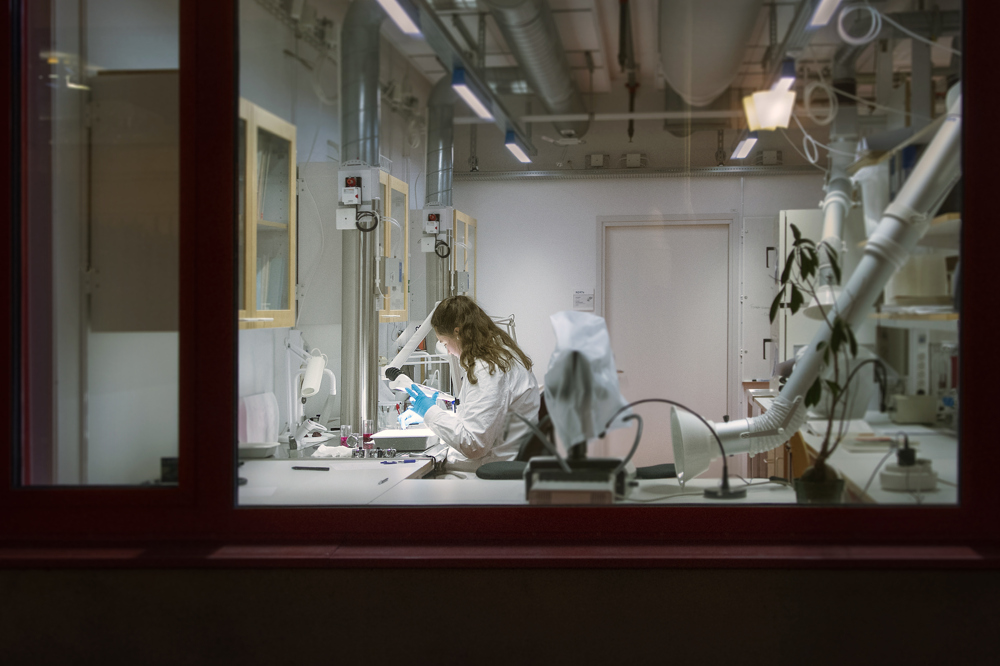
A woman sitting at a microscope

At DEEP, you can study at all levels in ecology, botany, marine biology, and environmental science. Photo: Ingmarie Andersson

If you want to learn more about some of the researchers and instructors at DEEP, read on to learn about their backgrounds, research, and areas of expertise.
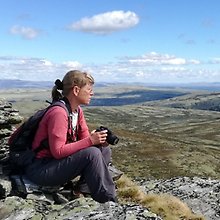
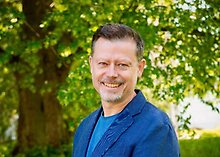
The position of Professor Bergianus is unique; it was established as early as 1791, with the intention that the holder would not only conduct research but also serve as the director of the Bergius Botanic Garden. This remained the case until 2014, when Hanna’s predecessor, Birgitta Bremer, retired.

By then, it had become clear that it was nearly impossible to combine high-quality research with the demanding task of running the entire garden. Today, a separate directorship has been established, and the Professor Bergianus is now an adjunct professor at Stockholm University, free to devote full attention to research without the administrative responsibilities of managing the garden. The position includes neither administrative duties nor teaching obligations, and the endowment from the Bergius Foundation provides solid base funding.

— It’s truly a luxury, says Hanna, who became the tenth Professor Bergianus in 2022.

Discovering the World of Fungi

That Hanna would one day become a biologist was by no means obvious. At school, she was most interested in mathematics, physics, and music. A future as a church musician, architect, or writer seemed most appealing. But eventually, she chose to study biology at Uppsala University: — Because biology is such a creative field, and as a biologist you get to both write and calculate as much as you like.”

During a course on fungi, she immediately felt she had found her calling: — Fungi are so fascinating and important, yet so little studied. And there are so many different kinds of life cycles among fungi!

When Hanna completed her master’s degree, opportunities to specialize in fungi at Uppsala University were limited. Instead, she pursued doctoral studies at the Swedish University of Agricultural Sciences (SLU). At the Department of Forest Mycology and Pathology, she studied the life cycle of a fire-adapted fungus and its interactions with fire-dependent insects. Her project combined basic research with an exciting applied conservation perspective.

From Uppsala to California and Back Again

After completing her PhD in 2000, Hanna moved with her husband and two young children to Berkeley, California, for a postdoc. It was a formative time in many ways. Among other things, it made her realize that she wanted to focus more on basic research than applied work and to integrate mycology with evolutionary biology.

And that’s what she did. Hanna returned to Uppsala University to take up a research associate position at the Evolutionary Biology Centre (EBC). She enjoyed working there even though she was the only one studying fungi, the department had a strong evolutionary biology profile and many shared research questions. Over time, she became both senior lecturer and professor at EBC.

A Fresh Start at DEEP

Meanwhile, she found herself increasingly involved in administration. She became section dean and later deputy vice-rector of the Faculty of Science and Technology. To her surprise, she found administrative work enjoyable: — It’s really about leadership and about shaping and improving the research environment. But eventually, combining research with heavy administrative duties became too demanding, and Hanna realized she had to make a choice. It wasn’t an easy decision.

Then, by great luck, the Professor Bergianus position in Stockholm was announced. “It was such an incredibly attractive opportunity,” Hanna recalls. She applied, got the position, and moved to DEEP, a fresh start that allowed her to fully focus on research again.

Research Focus

Since returning to Sweden, Hanna’s research has focused on fungal reproduction and evolution, and on understanding how variation arises and is inherited in natural populations.

Her first model organism was the ascomycete Neurospora crassa, a classic in genetics. More recently, her work has shifted toward basidiomycetes. Her current favorite is Marasmius oreades, the fairy ring mushroom, known for forming large ring-shaped colonies. Because it cannot complete its life cycle under laboratory conditions, her team studies natural populations instead.

By analyzing the genomes of individual fruiting bodies within the same fairy ring, they aim to understand where and when mutations occur, and why some cells become spores while others form the fruiting body itself. The main methods used are comparative genomics, population genetics, and bioinformatics.

In the Forest

So what does a fungal researcher do in her spare time — pick mushrooms? “Well, I do enjoy well-known edible species,” Hanna admits, “but I also have great respect for the fungi that produce deadly toxins.” Still, she often spends time in the forest. She has inherited a woodland area that was traditionally managed, and now she’s working to transform it into a more diverse forest, with a greater variety of tree species and ages.

“It’s become a family project,” she says. “We’re freeing old oaks, thinning planted spruces, and planting new trees. It might even end up as a small arboretum.” And when the forest isn’t within reach, Hanna likes to relax at the piano. Music, she says, remains an important part of her life.

“This was not what I had planned,” explains Gitte Petersen, reflecting on becoming a lecturer in plant systematics at DEEP in the spring of 2018. What she could not have foreseen was the extent of cuts to higher education in Denmark, which she had just experienced.

At the University of Copenhagen, where Gitte had worked since 1990, the department had faced annual two-percent budget reductions for several years, and there is a limit to how much efficiency can compensate for lost funding. Many people inevitably lost their positions, including Gitte, so the announcement of the lecturer position in Stockholm came at just the right time. And although she says her career did not turn out as she had expected, she still looks genuinely pleased.

Early Interest in Plants

Gitte’s path toward plant systematics was not entirely surprising. As a child, she was interested in botany and grew her own plants in a corner of her parents’ garden. She also enjoyed classifying things, making systematics a natural choice.

Her studies at the Royal Veterinary and Agricultural University (Kongelige Veterinær- og Landbohøjskole) culminated in a dissertation completed in 1990, focused on hybridization between different cereal species.

After her PhD, Gitte remained at the University of Copenhagen, aside from a brief postdoc at the University of Minnesota. Until 2005, she worked at the former Department of Botany, after which she moved to the Natural History Museum of Denmark, the Danish counterpart to Sweden’s Museum of Natural History. This move was not a major shift, as the Danish museum is integrated with the university. She remained there until joining Stockholm University.

Untangling Complex Plant Genomes

When Gitte began research in plant systematics, she encountered surprises once again. A whole new world opened up when she started using molecular data. Initially, she was hesitant about spending her time in the lab and in front of a computer rather than in gardens and greenhouses, but she soon became fascinated by what DNA molecules can reveal.

Plant cells have three genomes: nuclear, chloroplast, and mitochondrial. Of these, the mitochondrial genome has proven particularly interesting and dynamic, with astonishing variation in form and structure. Moreover, DNA from other genomes, even from other species, can be incorporated into the mitochondrial DNA.

Although Gitte has always appreciated order (evident in her neatly organized desk) she finds research most exciting when everything seems chaotic. Finding biological explanations for results that contradict previous phylogenetic hypotheses is, in her words, “real detective work.”

The Mysteries of Mistletoe

After initially studying grasses and other monocots, Gitte eventually turned to parasitic plants, which remain her primary focus. Her favorite organism is mistletoe, a parasitic plant found in Sweden on lime and maple branches, with berries dispersed by fieldfares and other birds.

Mistletoe is large enough that it is relatively easy to isolate pure tissue for cellular studies. Among her findings is that mistletoe lacks certain genes in its mitochondrial DNA that were previously thought essential. She leaves it to biochemists and physiologists to determine how mistletoe manages cellular respiration without these genes and their products; her focus is on the evolutionary mechanisms behind these gene losses.

In addition to mistletoe and its close relatives, Gitte has studied both parasitic and non-parasitic plants such as broomrape, bulrush, and various lilies.

Teaching Plant Diversity

Gitte was no novice when it came to teaching. At both the museum and the Botany Department in Copenhagen, she taught at all levels, including distance education. She has developed several courses in phylogeny and molecular plant systematics and was a driving force behind the Nordic Master’s Programme in Biodiversity and Systematics (NABiS).

At DEEP, Gitte has moved from delivering individual lectures in “Organismal Diversity and Evolution” to leading the course. She continually works to adapt the course to meet both scientific standards and the students’ prior knowledge. She also leads a master’s course on land plant diversity, where her broad interest in plants comes into play, including parasitic species. However, recognizing that one cannot be an expert in everything, she invites guest lecturers from the Swedish Museum of Natural History for both courses.

Sara grew up in Småland and chose to study in Växjö, where she pursued a three-year degree in chemical engineering. After graduation, she landed a job at a wastewater treatment plant, but it took only six months for her to realize that it wasn’t the right fit.

She started thinking about what she had enjoyed most during her studies and realized it was the biological parts, especially biochemistry. Fortunately, Växjö University had a collaboration with Stockholm University, which made it possible for her to continue her studies there. So she packed her bags and moved to Stockholm to deepen her knowledge of biochemistry.

Botany entered her life when she found a course focusing on plant biochemistry and biology. She soon became part of the Botany Department, where researchers were studying not only eukaryotic plants but also cyanobacteria. Sara became interested in the physiology of cyanobacteria in the Baltic Sea, leading to both her degree project and her PhD thesis. After defending her thesis in 2006, she was immediately offered a position in another research group at the department, and before long she received her own research grants and started building her own team. She has been at Stockholm University ever since.

— It’s my second home and my second family, she says.

Neurotoxic Compounds in Phytoplankton

Sara’s research group studies neurotoxins produced by phytoplankton. Most people know that one should be careful when summer waters bloom with cyanobacteria, as they can release toxins that cause skin irritation, stomach problems, and other acute symptoms.

However, Sara’s group focuses on two other neurotoxins: beta-N-methylamino-L-alanine (BMAA) and 2,4-diaminobutyric acid (DAB). These were first discovered in cyanobacteria but are now known to be produced by other phytoplankton such as diatoms and dinoflagellates, often in even greater amounts. Sara’s group mainly works with diatoms, which are relatively easy to cultivate in the lab.

BMAA and DAB are neurotoxic and have been linked to both Alzheimer’s disease and ALS. Proving a direct causal relationship between these hard-to-measure compounds and diseases that develop over many years is challenging. Still, the fact that such toxins can be produced by common organisms in both brackish and marine waters is concerning, especially since they can accumulate in filter-feeding animals such as mussels.

Sara’s group leaves the study of human health effects to medical researchers, focusing instead on how these toxins are produced and what biological roles they play. While one might assume they serve as defense mechanisms, it’s more likely that they act as signaling substances regulating algal population growth with their toxic effect being an “accident of nature.”

Sara rarely gets the chance to spend time in the lab these days and her colleagues even take notice when she puts on a lab coat. Fieldwork, however, remains a priority, with sampling trips to the Baltic Sea (Askö), Lake Mälaren, and Lake Hjälmaren.

Teaching and the Role of Director of Studies

Sara teaches at all levels from introductory courses to the research school. Teaching the course The Biology of the Garden is great fun,” she says. “The students are passionate about the subject and eager to learn more.” Teaching plant physiology, on the other hand, can be more of an uphill battle: “it takes time before students realize just how cool plants are.”

Sara has served as Director of Studies since DEEP was founded in 2013. Initially, she oversaw plant physiology courses, but her responsibilities have since expanded to include overall planning for all the department’s courses. DEEP covers an impressive range of subjects, and learning about all of them was both demanding and rewarding. “It was also a great way to get to know all my colleagues,” she says.

When asked about potential new courses, Sara confirms there are always ideas in discussion. “Those conversations happen within the programme councils, which decide what kinds of courses are needed to strengthen our programmes. My role is to facilitate the process and act as a link between DEEP and BIG.”

Life Outside of Work

Teaching, research, administrative responsibilities, and a big family with three children make for busy days. But Sara finds relaxation on horseback preferably while show jumping.
“When I’m riding, there’s no work and no family,” she says. “It’s just me and the horse.”

A dog might join the family in the future too. Sara grew up with dogs. Their home in Täby is close to the Roslagsleden trail, and the family enjoys spending time in the forest, so any future dog would be in good company.

Researchers at the Department of Molecular Biosciences, The Wenner-Gren Institute – MBW

The Department of Molecular Biosciences, The Wenner-Gren Institute (MBW), is a dynamic research and educational environment in the life sciences. Research at MBW spans molecular cell biology, microbiology, immunology and infection, developmental biology, and molecular physiology. The department’s goal is to understand fundamental biological processes at the molecular and cellular levels, with applications in medicine, biotechnology, and environmental science.
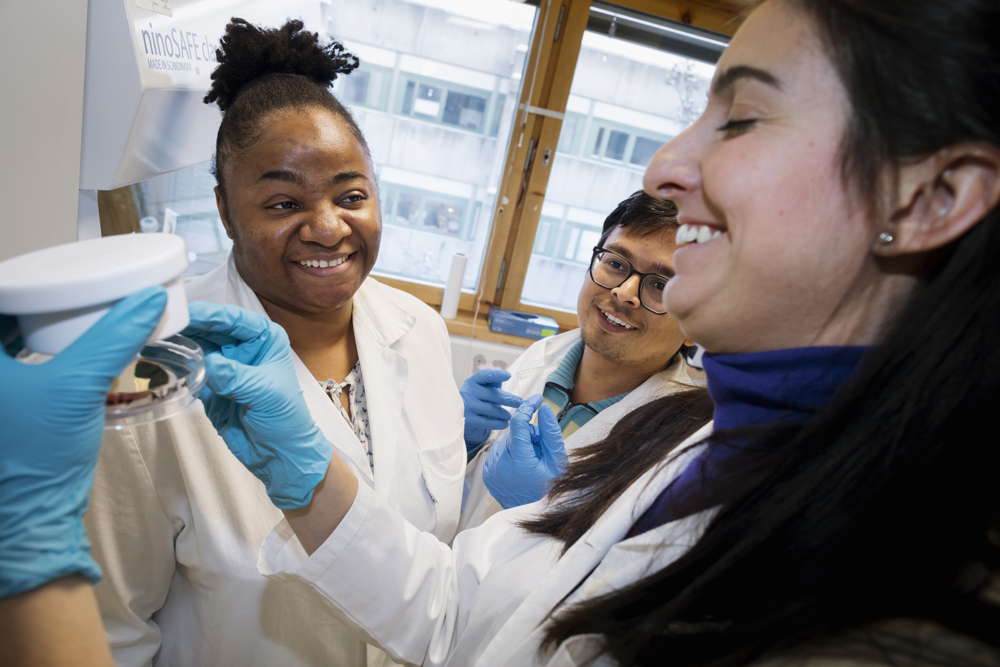
Three persons i labcoats are looking at petri dish

MBW offers courses in biology, molecular biology, and biochemistry. Photo: Jens Olof Lasthein
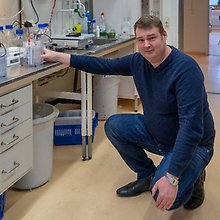
“I enjoy structuring complex material and helping others understand it,” says Claes Andréasson, senior lecturer at MBW. He first realized the importance of structure and clarity in teaching when, in his early twenties, he worked as a substitute biology teacher in secondary school. It probably took an entire term before the classroom was calm enough for him to actually develop his teaching skills. “It was a valuable experience,” he recalls, “but not one I wanted to repeat. There was too much discipline and too little teaching.”

His interest in biology, however, remained strong and had been with him since childhood. At the same time, he was also fascinated by how society and democracy function, which led him to study political science for two semesters. But that didn’t last long – the relativistic perspective that dominated the field at the time didn’t sit well with him. “I was simply more at home in the natural sciences,” he says.

Among proteases and chaperones

Claes switched to the biology programme and completed his degree with an external project at the Ludwig Institute for Cancer Research on Karolinska Institutet’s campus. He continued as a doctoral student and defended his PhD in 2004, focusing on cell signaling. During his PhD work, he discovered a new protease and became fascinated by proteolytic enzymes. When looking for a postdoc position, he searched for a lab working on proteases and found one in Heidelberg – the lab of Bernd Bukau at ZMBH-DKFZ, a major German cancer research center. But once there, he discovered an even more intriguing group of proteins: chaperones which are proteins that help other proteins fold correctly.

For newly synthesized proteins, correct folding after leaving the ribosome is essential for them to reach their proper location in the cell and function correctly. But protein folding is a complex process, and many things can go wrong – due to mutations or exposure to harmful substances such as heavy metals or solvents. Chaperones can often rescue these misfolded proteins and guide them into the right shape. Proteins that still fold incorrectly are either degraded or stored in aggregates. It’s easy to see why Claes became captivated by this intricate quality control system, the proteostasis network.

His time in Heidelberg ultimately determined the direction of his future research. After more than four years abroad, he returned to Sweden and received a research fellowship funded by the Swedish Research Council. He chose to continue his work at the Wenner-Gren Institute and now leads an active research group at MBW focusing on chaperones. Earlier this year, he strengthened his ties to the department even further when he was appointed senior lecturer.

– We bombard students with concepts!

As a course coordinator, Claes spends a great deal of time in meetings and administration, but he also teaches – something he truly enjoys. He takes pride in being the one who knows things and is skilled at simplifying and explaining complex material, whether to undergraduate students, master’s students, or PhD candidates in his lab.

And clear explanations are indeed needed, he notes: “Biology is a subject full of concepts. No other field has so many! And we expect students to absorb all of them. We bombard them with concepts!” he says with a laugh. “Biology is the subject for hard-working students.”

Gardens and Aquariums

On weekends, Claes tries to avoid working too much and prefers spending his time in his large garden in Lästringe, Sörmland, not far from Tovetorp. “A proper digging session is the best way to relax,” he says with a smile. His interest in both gardening and aquariums goes all the way back to childhood.

Speaking of aquariums, the interview ends with Claes showing the beautiful one he keeps in his office. It’s not a typical aquarium. There are no fish in sight, but instead an array of corals that express fluorescent proteins. Under the LED lighting, they emit a mesmerizing blue-green glow of varying wavelengths, a sight that could enchant any molecular biologist.

Sabrina Büttner was born in Mutlangen, Germany, and when she began her university studies, she chose to study biochemistry in Tübingen. Not because she was particularly interested in biochemistrym, or in natural sciences at all; a future as an artist was probably more appealing. Nor did she choose biochemistry because it was an easy subject. On the contrary, Tübingen’s biochemistry program was considered difficult, and Sabrina’s former chemistry teacher was skeptical. But that was precisely why Sabrina wanted to study biochemistry: to see if she could handle it!

It turned out that Sabrina had made the right choice. Already during her master’s project, she entered the research field she has continued with ever since: how cells age and die. She became so interested that when her supervisor was offered a professorship in Graz, Austria, and invited her to start a PhD there, she didn’t hesitate to follow.

Several Years in Graz

After defending her thesis in 2007, Sabrina stayed in Graz. She enjoyed the city, her project was going well, she received her own research grants, and she also started a family. But the close connection to her former supervisor became a disadvantage, and when she missed out on a major research grant because she hadn’t demonstrated sufficient scientific independence, she realized it was time to move on.

This led to her taking a position at Stockholm University in 2015. Her family moved with her, and today Sabrina is a lecturer at the Department of Molecular Biosciences, The Wenner-Gren Institute (MBW). Despite the dark winters and northern climate, she believes she will stay.

Aging Yeast Cells

Thanks to a postdoc and two PhD students who chose to move with her to Stockholm, Sabrina was able to quickly resume her research. The initial focus was on programmed cell death (apoptosis), but over time it shifted toward cellular aging. The primary model organism used is yeast. On a cellular level, we are all quite similar, so what we learn about yeast cell aging often applies to multicellular organisms as well including ourselves.

A central aspect the group studies is how the cell’s organelles interact with each other. This can occur through signal transmission or direct physical contact between the membranes of the organelles. Another aspect is how aging is influenced by the amount and composition of nutrients available to the cell. The cell’s ability to control the quality of its own proteins also deteriorates with age, and the mechanisms behind this are being studied within a national consortium in which Sabrina’s group participates.

Favourite Course

Sabrina is the course coordinator for Molecular Cell Biology, 15 ECTS, a course shared by the two Master's programmes in Microbiology and Molecular Life Sciences. Since the course is compulsory and placed at the beginning of the programme, the idea is to provide all students with a solid foundation for subsequent courses. Naturally, this is a challenge, as students come with very different theoretical and practical backgrounds. Therefore, the course begins with two optional modules that cover basic concepts and provide an introduction to lab work.

The rest of the course consists of lectures and project work, which is presented as posters during a course symposium. Sabrina speaks with noticeable enthusiasm about the course and says it’s incredibly rewarding to be involved. The student group is relatively small, which allows her to get to know the students well.

An Empty Lab When PhD Students Graduate

Sabrina’s workdays are usually packed, but some periods are more intense than others. That was the case last year (2021), when no fewer than four PhD students defended their theses between June and November. She admits she underestimated how much time it would take to finalize all the manuscripts and hadn’t quite realized the significance of the actual dissertation ceremony in Sweden. In the future, she won’t supervise more than two PhD students at the same time. Everything went well, but the departure of the four students left a noticeable void, one that their supervisor deeply feels.

Other Interests

Sabrina devotes her weekends to family as much as possible. It even happens that she doesn’t open her laptop at all during the weekend. Instead, she enjoys cycling and other outdoor activities with her children.

But what happened to her interest in art? At the moment, there’s no time for it, but Sabrina certainly hopes to return to painting someday. For now, she expresses her artistic talents when illustrating scientific results with images and diagrams. Science is also art, she says. And sometimes, she allows herself a bit of creative flair; one example is a whimsical cover for Trends in Biochemical Sciences from March 2010.

Why Do Research?

Finally: how do you encourage students to pursue further studies? Why dedicate yourself to molecular biology research? Out of curiosity, Sabrina explains—every day in the lab might bring a new discovery. She sees science as a giant puzzle to which everyone can contribute. “You might not think your little piece is particularly remarkable, but every piece is important to the bigger picture.”

— Don’t choose the science track, it’s too difficult! That was the advice Ylva received when deciding on her upper secondary school path. She had hesitated between the natural science and technical tracks, but after that warning, she chose the four-year technical programme with a focus on chemistry, after all, she was interested in chemistry. Biology wasn’t a compulsory subject in that programme, but Ylva chose it as an elective to keep her options open for future studies.

And it was a good decision. When the biology teacher introduced the topic of the genetic code, something clicked for Ylva. She says she still gets goosebumps thinking about it: the ribosome reading the triplets in mRNA, so incredibly fascinating! That nature could construct something so ingenious!

PhD at KI, Postdoc in Basel

After graduating as a chemical engineer, Ylva got her first job in a lab at Karolinska Institutet (KI). Unsurprisingly, this soon led to a PhD position at KI, where she defended her thesis in 1985.

Her dissertation focused on biochemistry, but it was during her postdoc that she entered the world of molecular biology. And not just any lab. She joined Walter Gehring’s Biozentrum in Basel, where researchers had learned to create transgenic fruit flies. This opened the door to understanding what specific genes actually do. That’s what’s so exciting, Ylva says—it’s not just what happens, but how it happens that’s truly fascinating.

Learning Through Teaching

Ylva learned most of her molecular biology when she came to Stockholm University and began teaching the subject, which was then brand new. She became the course coordinator for the introductory course in molecular biology and gave many of the lectures herself. “It was a great learning experience. I learned so much from it,” she says.

She’s been at Stockholm University ever since. There have been many organizational changes over the years, which always take time and energy, but she feels the most recent change. The formation of the large MBW department was a great success. “It’s so interesting to be part of a broader operation with more colleagues, and it has also led to successful integration in teaching.”

Ylva teaches courses at all levels, from the introductory course Biology of Infectious Diseases (now being offered for the last time) to advanced Master’s level courses. She’s a well-regarded lecturer and believes that clarity should never be sacrificed for excessive detail: “I’d rather have the students follow along than have half of them lost in overly complex explanations,” she says.

New Directions in Research

Since joining the university, Ylva’s research has focused on how gene expression is regulated under different conditions, using fruit flies as a model organism. After many years of studying the immune system, she has recently taken on new research directions. One example is the intricate question of how nuclear division is regulated in early fly embryos.
These new projects have required Ylva to dive into unfamiliar areas once again. “It’s demanding but exciting and fun,” she says. Unfortunately, she doesn’t often have time to work in the lab herself, but she occasionally helps out with the flies. She would love to spend more time on microscopy, which is an important method in her current projects, if only she didn’t have so many other irons in the fire.

A Boost Through External Engagements

Ylva’s first assignment outside the biology section came in 2012 when she became Vice Dean of the Faculty of Science. Although it was sometimes stressful, it was incredibly rewarding, she says,it was a great opportunity to broaden her perspective and her contributions were widely appreciated. Working for nine years alongside so many insightful people for the benefit of the entire faculty was truly a boost!

The Vice Dean role also paved the way for other assignments. Among them, she became Chair of the Board of the National Centre for Life Science Research, commonly known as SciLifeLab, a position recently renewed for another three years. The work with SciLifeLab is very exciting, Ylva says. It mainly involves strategic oversight of the national service platforms, but also efforts to promote an excellent research environment, including a dedicated core funding that has now existed for ten years, a rare example of long-term commitment in today’s research landscape. Another external role is as Chair of the Royal Swedish Academy of Sciences’ Committee for Research Policy.

Relaxation in the Garden

Ylva is set to retire in about a year. But with new research grants, fresh ideas, and time-consuming external commitments, there’s no sign of slowing down. On the other hand, she won’t be taking on any new PhD students; her research group now includes several independent senior researchers, which she hopes will allow for more free time, especially during the summer.

That’s when you’ll find Ylva outdoors, either in her allotment garden in Enskede or in wilder nature. Gardening and spending time in nature are her great passions. But she also enjoys other creative tasks, like making apple sauce or sewing patchwork quilts. Anything that is beautiful and works well appeals to the engineer within her.

Researchers at the Department of Zoology

The Department of Zoology at Stockholm University conducts research and education in animal biology, spanning from molecular mechanisms to ecosystem dynamics. The research covers evolution, ethology, physiology, ecology, and conservation biology, with a focus on both terrestrial and marine organisms. The department plays a key role in efforts to understand and preserve biodiversity in a changing world.
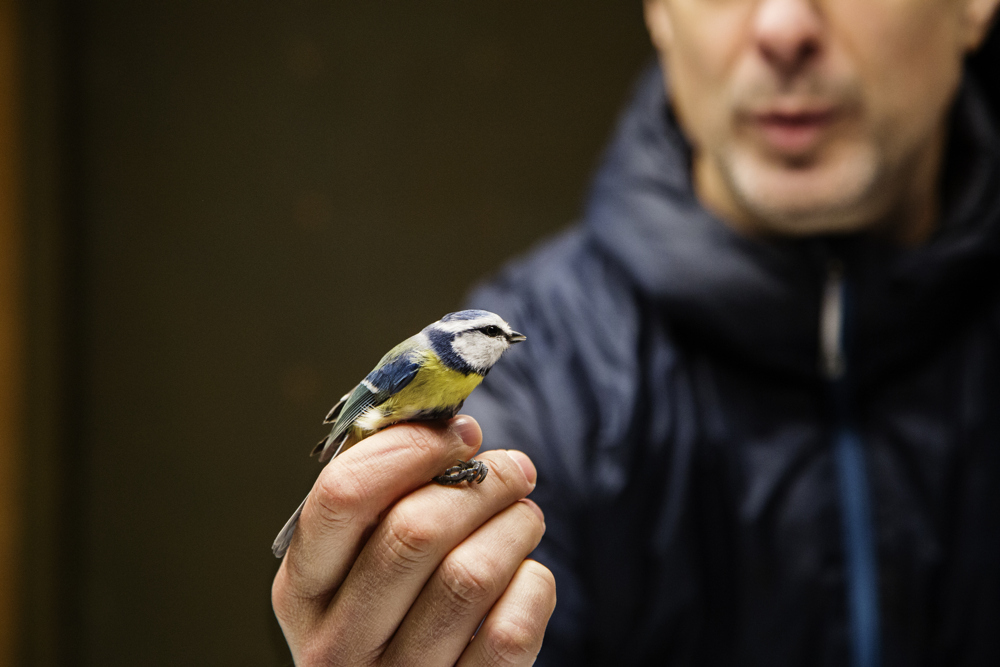
A man holding a blue tit

Explore the fascinating world of animal biology and behavior as a student at the Department of Zoology. Photo: Lena Katarina Johansson
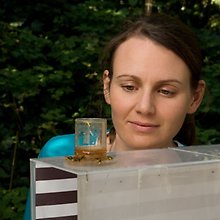
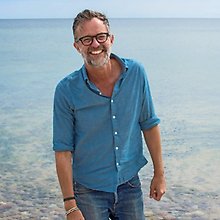
What Does a Bumblebee’s World Look Like? That simple question captures the essence of Emily Baird’s research, but answering it is anything but simple. For many years, Emily has explored the role of visual information in insect navigation, focusing primarily on bees and bumblebees.

These small hymenopterans are remarkably skilled at finding their way, both to nectar- and pollen-rich flowers and back home to their nest. But what do they actually see? Because insects are so small and have tiny brains, we have a real chance of understanding how they function through comparative studies of behavior and anatomy. How this is done in practice is something we’ll return to shortly.

From Southern Australia to Northern Europe

Unlike bumblebees, Emily hasn’t been great at navigating back home, quite the opposite. She now lives as far from her original nest as one can imagine. She grew up on a farm in Australia, surrounded by horses, cows, chickens, dogs, and cats. It’s no surprise she became interested in animals! But her fascination with psychology and neuroscience was just as strong. When she began her university studies in Canberra, she couldn’t choose just one path, so she completed dual bachelor’s degrees, studying biology, philosophy, anthropology, and more. What intrigued Emily most was how the brain works from every possible angle.

Fortunately, she became involved in what she calls “the perfect project”: training honeybees in different visual environments. This work eventually led to a PhD on visually guided flight control in bees. The project also had a technical dimension, something that still interests Emily. If we can understand how insects navigate, perhaps we can improve navigation systems for flying robots.

After a brief stay in Bielefeld, Germany, Emily was offered a postdoc position in Lund, Sweden. Lund has long been a hub for sensory biology research, especially comparative vision studies making it the ideal research environment for Emily.

Advanced Imaging Techniques

To map the anatomical structures of insect brains, Emily and her colleagues have used a technique called micro-CT. CT stands for computed tomography, a method that produces a large number of X-ray images from different angles. These can then be used to reconstruct the three-dimensional structure of an organ, and the method is now common in medical diagnostics.

Micro-CT works the same way but provides much higher resolution, allowing researchers to image an insect’s eye at the micrometer level. The main model organism in Emily’s research has been the buff-tailed bumblebee (Bombus terrestris), a species that is readily available due to its commercial use as a pollinator in greenhouse tomato cultivation. But Emily is also looking northward, wondering whether the bumblebee species of the mountain regions perceive their world differently, after all, they live in an environment bathed in light all summer long. In addition to bumblebees, Emily has also used dung beetles and flat-horned mosquitoes as study organisms.

To the Department of Zoology in Stockholm

After ten years in Lund, Emily joined Stockholm University in 2018 and established her own lab at the Department of Zoology, equipped with micro-CT and other advanced tools. She says she was impressed by the faculty’s resources, especially in microscopy, and speaks enthusiastically about a “vibrant international community” with great opportunities for fruitful collaborations.

How Do Students Learn Best?

During her years in Lund, Emily taught a wide range of courses—from introductory to advanced Master’s level. Often, she had to study topics she wasn’t initially familiar with, which was a challenge. But it also gave her deeper insight into how students experience their studies and the difficulties they may face.

Learning and behavior are areas that fascinate Emily, not only in insects, but also in students. Once again, it’s about how the brain works. Emily believes traditional lectures aren’t the most effective use of teachers’ time. She’s therefore drawn to the flipped classroom model, where students watch recorded lectures in advance and then engage in discussions and problem-solving with their instructors. “There are already fantastic lectures available online,” she says.

Free Time

In her free time, Emily prefers being out in nature, unless she’s traveling. Growing up, she was crazy in horses, but she stopped riding when she left Australia. These days, when she explores her hometown or the outdoors, it’s on foot.

How Does a Female Butterfly Recognize the Right Plant for Her Eggs?How does she find a mate, or locate nectar-rich flowers? These are questions that have fascinated Mikael Carlsson at the Department of Zoology for many years. He aims to understand how butterflies “think”—what drives their decision-making and where in the brain these processes occur. Mikael explains that behavior is largely influenced by scent signals, although other sensory inputs also play a role. The behavior must be relevant to the situation; for example, when searching for a mate, a butterfly shouldn’t be distracted by irrelevant plant odors. This suggests there must be some higher-level control of scent responses.

But How Do You Study That?

Equally fascinating are the methods Mikael uses in his research. He literally looks inside the butterfly’s head to map which neurons and neural pathways are activated when the insect is exposed to different scents.

The method is called functional imaging, and it relies on fluorescent substances that bind specifically to certain molecules in physiologically active cells or tissues. When the brain is examined under a microscope and visualized on a computer screen, colorful spots reveal where the substances have bound—indicating areas of activity.

When Mikael first became interested in butterfly olfaction, he studied moths. But now his focus is on day-flying butterflies, primarily the comma (Polygonia c-album) and the small tortoiseshell (Aglais urticae). These species are interesting to compare: although they are closely related, the comma is a generalist while the small tortoiseshell is a specialist, strongly associated with stinging nettles.

From Skåne to Stockholm via Södertälje

Even as a child, Mikael Carlsson was fascinated by butterflies and other insects, but that didn’t mean he planned to become a biologist. After finishing school in Malmö, he felt uncertain about his path and tried various things: he studied languages and marketing, and traveled extensively.

It wasn’t until his thirties that his interest in biology returned, leading him to study biology in Lund with a focus on zoophysiology. In 2003, he earned his PhD with a dissertation on the olfactory system of moths.

A few years after completing his PhD, Mikael and his family moved to Stockholm. He took a job at AstraZeneca in Södertälje, continuing to work in sensory biology—this time focusing on visual perception in rats. His time at AstraZeneca taught him how to work with clear goals and finish projects on time, but he missed the creative atmosphere of academia.
So when AstraZeneca faced financial difficulties and Mikael had to leave, he wasn’t too disappointed, especially since he was offered a postdoc at the Department of Zoology in 2008, where he has remained ever since.

Teaching Zoology

Mikael primarily teaches zoomorphology and zoophysiology. He notes that the boundary between morphology and physiology is somewhat artificial—“Structure must be linked to function for it to be meaningful to students,” he says.

Since the interview happens to take place on the International Day for Biological Diversity, the conversation turns to the vast number of animal species in the world. How does one approach that in teaching? “We focus on the major phyla,” Mikael explains. “Arthropods, for example, get three full days in the course Organismal Diversity and Evolution, while more obscure worm groups are skipped.”

Butterflies in the Lab and the Wild

During the season, wild butterflies are caught in nature, but they are also bred at the department. The research primarily focuses on adult butterflies, although larval stages are also of interest.

Together with Emily Baird, Mikael Carlsson developed a course in sensory biology that was first offered in 2020. Today, it’s called Sensory Biology and Animal Communication (7.5 ECTS) and is taught at the advanced level. Mikael enjoys lecturing, a passion he jokingly attributes to not becoming a rock star. While he’s open to alternative teaching methods like the flipped classroom, he believes traditional lectures still have an important role, especially in introductory courses where students benefit from guidance by someone with deeper subject knowledge.

Many Other Interests

Unlike many biologists who treat their profession as a hobby, Mikael’s free time is filled with interests outside biology. In addition to family life with two daughters, he enjoys cooking and wine tasting, and is an avid photographer, especially street photography and portraits. He also loves to travel, particularly to big cities; his favorite destination is the dynamic city of Berlin.

John Fitzpatrick was born in Vancouver and joined Stockholm University in October 2015 as Assistant Professor in Ethology at the Department of Zoology. But the journey from Canada to Sweden was far from straightforward. After completing his undergraduate studies in Vancouver, he earned his PhD in Hamilton, on the opposite side of the country.
He then moved to Perth in southwestern Australia for a five-year postdoc, followed by nearly three years in Manchester, UK, where he held a lecturer position. His research has also taken him to field sites in Africa and Trinidad. His Swedish wife Maria, also an ethologist, made a similar journey—though starting from Stockholm rather than Vancouver. Eventually, both settled in Stockholm, and they plan to stay.

Fascinating Reproductive Behaviors in Fish

The common thread throughout John’s travels has been his research. Since his student days, he has been fascinated by how animal behaviors evolve. Today, he studies sexual selection and the evolution of traits and behaviors related to reproduction. His interests include male competition before and after mating, female mate choice, the development of so-called sexual weapons, and how sexual behaviors are affected by reduced genetic diversity in small, isolated populations.

His research combines fieldwork and lab experiments, including controlled studies and comparative phylogenetic analyses. He investigates not only behavior but also anatomical traits such as genitalia and sperm morphology. His study organisms range from guppies, cichlids, and trout to much larger species, his students have even scoured fish markets around the world to collect sharks and rays for anatomical studies.

The Advantage of Halfbeaks

For experimental work, smaller and more manageable fish are needed, and John has taken a particular interest in halfbeaks—a type of fish popular among aquarists. Native to Malaysian and Indonesian waters, they are easy to breed in aquariums. Their name refers to their distinctive appearance: the lower jaw is much longer than the upper. At just 7 cm long, with vivid coloration and unusual genitalia, they are ideal study subjects. A dedicated aquarium facility for John’s halfbeak experiments has been built in the E-building.

When John arrived at Stockholm University, his research group was modest in size. But soon, a postdoc will join to work on halfbeaks, and he still collaborates with a PhD student based in Manchester. On his website, John welcomes new PhD candidates and thesis students, so the group is likely to grow. He also sees great potential for collaboration with other researchers at the Department of Zoology.

Experienced in Teaching

John taught extensively during his time in Manchester, which turned out to be fortunate. Upon arriving in Stockholm, he was quickly thrown into teaching due to a sudden vacancy in the Ethology II course. He spent a week delivering partly improvised lectures on phylogenetic perspectives. In 2022, he was awarded Stockholm University’s Award for Good Teaching for his dedication to helping students develop problem-solving skills and critical thinking.

When Niklas Janz first began studying, his choice of subject was far from clear. He started in the Humanities programme but dropped out and worked for a while. It wasn’t until the late 1980s, when a renewed interest in environmental issues emerged, that he switched tracks and enrolled in the Natural Sciences programme.

Niklas initially focused on geosciences, but the first year included a biology course with an emphasis on ecology and environmental issues, and that’s when everything clicked. Biology was his true passion. From that point on, the winding road became straight: he completed his undergraduate studies with biology courses, earned his PhD in zooecology in 1999, and apart from a postdoc period in the U.S. he has remained at the Department of Zoology, or Zootis ever since.

Studying Butterflies

Despite his strong environmental engagement, Niklas’s research hasn’t focused directly on environmental problems. He believes today’s environmental issues are more about politics and economics than biology and that we already have the biological knowledge needed to act. Instead, his research centers on ecological and evolutionary interactions between insects and their host plants.

His group primarily studies species within the Nymphalidae family, including the comma butterfly (Polygonia c-album), which lays its eggs on host plants. These butterflies vary greatly in both the number and type of host plants they use. A central question in Niklas’s research is what influences the degree of specialization in butterflies, and how this relates to evolutionary processes such as speciation.

Pedagogical Engagement

Niklas has served as Deputy Head of the Biology Section (BIG) since June 2021, with a special focus on pedagogical development. His deep interest in teaching has led to several initiatives, including the founding of the Biology Section’s Pedagogical Council. The idea arose from a shared feeling among Niklas and others that biology lacked a vibrant pedagogical dialogue.
The proposal for a council was well received and launched in spring 2020. Unfortunately, it only held one in-person meeting before the pandemic forced all activities online. Still, Niklas sees advantages in digital seminars and hopes to continue some online formats post-pandemic. The council also plans to organize teaching retreats, believing that difficult topics, like assessment, require time and space for deep discussion and peer learning.

Field-Based Teaching and Digital Tools

Together with Cilla Kullberg and Kristoffer Hylander, Niklas leads a project funded by the university’s quality initiative to develop field-based teaching at the Tovetorp research station. The goal is to lay the foundation for long-term environmental studies in the area.

Niklas’s interest in pedagogy has also led him to engage in several ICT projects. He participated in a pilot project for the university’s learning platform, Athena, and his early involvement helped him quickly adapt his teaching when the pandemic hit, and support others in doing the same. He has also contributed to the implementation of Inspera, a digital examination platform now available university-wide.

What Makes a Good Teacher?

According to Niklas, being a good teacher is about taking students seriously, not acting like a “parent,” but treating them as adults, encouraging responsibility and supporting their learning. This philosophy underpins the current structure of the introductory course Ecology I (15 ECTS).

In this course, nearly all mandatory components have been removed and replaced with a point-based system. Students earn points for attendance, which serves as a reward rather than punishment, and final exams have been replaced by continuous assessment, encouraging students to engage with the course literature from the very first week.

Author in His Spare Time

If you Google Niklas Janz, you might expect to find links to his butterfly research, but you’d be wrong. His writing career takes center stage. So far, he has published two young adult novels, both of which have received positive reviews.

Niklas has said, “My stories tend to take place in the borderland between reality and unreality, because that’s where I find the world most exciting.” He’s currently working on several new books—when time and energy allow. Let’s hope his strong commitment to teaching continues to inspire his writing rather than hinder it!

Some children know exactly what they want to do in life. Niclas Kolm was one of them, at just seven years old, he started his first saltwater aquarium, encouraged by his parents. Little did he know that forty years later, he would be managing thousands of aquariums. Back then, he was inspired by Jacques Cousteau’s underwater films. Today, he’s a professor of ethology at the Department of Zoology, still just as fascinated by fish behavior as he was as a child.

A Straightforward Career Path

Niclas’s academic journey has been remarkably direct. Growing up in Sandviken, he naturally chose to study biology in Uppsala. While he enjoyed courses in zooecology, it was the statistics courses that truly opened his eyes, he discovered that statistics was far more enjoyable and useful than he had expected.

Describing himself as “extremely headstrong,” Niclas managed to design his own PhD project, something that would be nearly impossible today. His research focused on mate choice and parental investment in a mouthbrooding cardinalfish found only in central Sulawesi. The project involved both lab experiments and fieldwork.

After defending his thesis in 2003, Niclas spent a few years in Norwich and Edinburgh before returning to Uppsala with a research fellowship from the Swedish Research Council. In the summer of 2013, he joined Stockholm University as a professor, and a few years later, he moved to Stockholm permanently, a decision he doesn’t regret. He enthusiastically praises the city: “Stockholm is a truly amazing place,” he says.

Researching Fish and Brains

Niclas’s research focuses entirely on the brain, specifically, brain evolution and the relationship between brain morphology and individual behavior. His work includes both lab experiments and comparative phylogenetic analyses based on data from thousands of vertebrate species. For practical experiments, however, fish are the main focus, especially guppies.

Although Niclas is generally uncomfortable with animal testing, he emphasizes that these are “gentle” experiments. Learning studies require animals to be calm and unstressed. His affection for his study animals is clear when he describes how the fish approach the researchers, eager to participate. “They’re much more dog-like than you’d expect,” he says, noting that a guppy will do a lot for a freshly thawed Artemia.

Is a Big Brain Better?

Fans of Winnie the Pooh know he’s a bear of “very little brain”—but is it true that bigger brains mean greater intelligence? Yes, says Niclas, at least in some respects. A guppy’s brain typically weighs 0.5 mg, but Niclas and his team have bred fish with larger brains and observed behavioral differences.

They’ve also shown that individual brain regions, such as the telencephalon, can evolve independently of other regions. These groundbreaking discoveries are only possible with thousands of aquariums and a great deal of patience. And, of course, countless dissections.

Teaching Is Both Necessary and Fun

Niclas believes that teaching is essential and enjoyable. He’s convinced that teaching makes you a better researcher, and research makes you a better teacher. He also believes in fair distribution of teaching duties: “Everyone has to do their part.” He spends about 15% of his working time teaching.

Faculty Roles

Niclas holds several faculty-level positions. As Vice Dean of the Biology Section, he serves on the Faculty Board and the IT Committee, and from 2024, he will chair the Information Committee. He sees a strong connection between IT and communication, especially when it comes to attracting new students and sharing information both within and beyond the university.

“Recruitment is more of an IT issue than ever,” Niclas says. “We can’t work miracles by visiting schools—we need top-quality websites and a strong presence on social media.” He also emphasizes the importance of building partnerships with top international universities to attract their best students—a task that requires significant time and effort.

Many Hobbies

Niclas often describes himself and his work as “fanatical,” which might make you wonder if he has any energy left for hobbies. But he does. He’s a passionate collector and spends a lot of time gardening at his countryside home. His greatest interest, however, is traveling and enjoying good food—preferably at the same time. Sometimes, work and pleasure have overlapped, such as during his PhD fieldwork in the Indonesian archipelago.

Researchers at the Baltic Sea Centre

The Baltic Sea Centre at Stockholm University is an interdisciplinary hub for research, analysis, and communication about the Baltic Sea. Research at the centre focuses on the ecology of the Baltic Sea, environmental impacts, and potential solutions to today’s challenges.

By combining research, communication, and collaboration, the Baltic Sea Centre plays a central role in the effort to restore and protect the Baltic Sea.
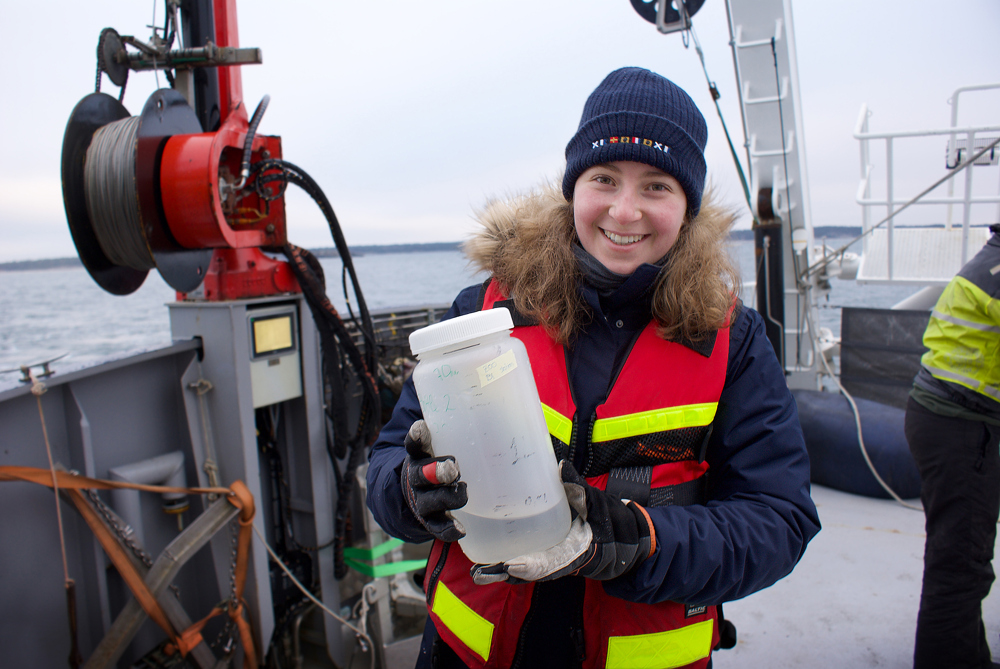
A woman on a boat

Students at the Baltic Sea Centre get to study the Baltic Sea environment up close. Photo: Michaela Lundell
Tina’s first encounter with marine environments came during her thesis project, which focused not on the sea itself, but on the social and ecological challenges of Southeast Asia’s coastal regions. As a PhD student, she continued studying stressed organisms in tropical environments and earned her doctorate in marine ecotoxicology in 2002.

However, continuing research in the tropics wasn’t realistic when it was time to start a family, so Tina stayed in Sweden. She also realized early on that she wasn’t destined for a traditional research career, she was too curious about different environments, people, and questions. That’s why her post-PhD role at Stockholm Marine Research Centre (SMF), where she served as a bridge between marine research and societal actors, felt like the perfect fit.

One of the highlights of her time at SMF was a two-year assignment at the Swedish Environmental Protection Agency as a marine expert. There, she saw how little researchers often know about how marine issues are handled in society. What’s needed, she says, is two-way communication between scientists and decision-makers. Researchers must understand societal needs just as much as their findings must reach beyond academia. This principle has guided her ever since.

A Philanthropic Boost for the Baltic Sea

In the early 2010s, Stockholm University recognized growing interest among Swedish philanthropists in supporting Baltic Sea initiatives, especially financier Björn Carlson, who loved the sea and archipelago and had established the BalticSea2020 foundation with 500 million SEK of his own money.

After two university-led investigations into potential uses for external funding, Carlson donated 100 million SEK, far more than anyone had dared to hope. The funds supported the creation of a powerful unit where researchers, communicators, and policy analysts work together to provide decision-makers with scientific knowledge. This initiative became the newly established Baltic Sea Centre, with Tina as director and Christoph Humborg as scientific lead. The centre was inaugurated in 2013 by Stockholm University’s newly appointed Vice-Chancellor, Astrid Söderbergh Widding.

Tina and Christoph still lead the centre today, and Tina praises the leadership model: Christoph focuses on research development in collaboration with departments, while Tina handles funding, staffing, communication, and policy work.

The BalticSea2020 foundation has since become a prize foundation, awarding the Björn Carlson Baltic Sea Prize annually to a researcher or individual who has made valuable contributions to the Baltic Sea’s environment. The prize is worth 4 million SEK, and this year it was awarded to Professor Ragnar Elmgren at DEEP. The Baltic Sea Centre is now funded through core university support and external grants.

Supporting Society with Science

The Baltic Sea Centre’s mission is to “support society with scientific knowledge for better decision-making.” It does this in several ways. While the centre has its own researchers, they are few compared to the total number of SU researchers studying the Baltic Sea. Much of the centre’s research is applied, aimed at informing policy.

Recent findings, often from across the university, are summarized in Policy Briefs, designed to help policymakers engage with Baltic Sea issues. One example is a brief titled “The New Wastewater Directive’s Impact on Nutrient Inputs to the Baltic Sea.” The centre also hosts Baltic Breakfast, a popular seminar series presenting the latest research to societal actors and media. For those who aren’t early risers, the seminars are available on YouTube.

Beyond outreach, the centre serves as a hub for marine activities at the university and supports them, especially through the Askö Laboratory field station, where students and researchers can live and work in a nature reserve in the Trosa archipelago. Tina is particularly proud of the research vessel Electra, largely funded by a donation from the Erling-Persson Family Foundation.

The centre contributes lectures to several courses, with its largest role in The Baltic Sea Environment (7.5 ECTS), a compulsory course in the marine biology bachelor’s programme. It begins with twelve days at Askö, followed by sessions at the centre’s offices in Frescati. Tina would like to see even more involvement in education, such as supporting student internships.

Forest Retreats and Reflection

Tina says she has the best job in the world and enthusiastically shares even more initiatives not covered here: a new interdisciplinary graduate school, a lesson bank for teachers, policy analysts working in Brussels… Curious readers can learn more on the Baltic Sea Centre’s rich website.

The challenge of having the best job in the world is that it’s hard to switch off when everything feels both fun and important. Tina admits she works a lot—but she has a supportive family and a cabin in Hälsingland. It’s fitting that the marine biologist finds peace through forest walks with her dog. When reflection and recovery are needed, a little distance from work can be a very good thing.

Last updated: 2025-11-04

Source: Department of biology education