


New professor of astrophysics at the Department of Astronomy
According to a Vice President’s decision on April 16th, Matthew Hayes is promoted to Professor of Astrophysics. Matthew’s research focuses on the origin and evolution of galaxies and supermassive black holes. He uses modern observational facilities (such as the James Webb and Hubble space telescopes) to study galaxies both near and far away.
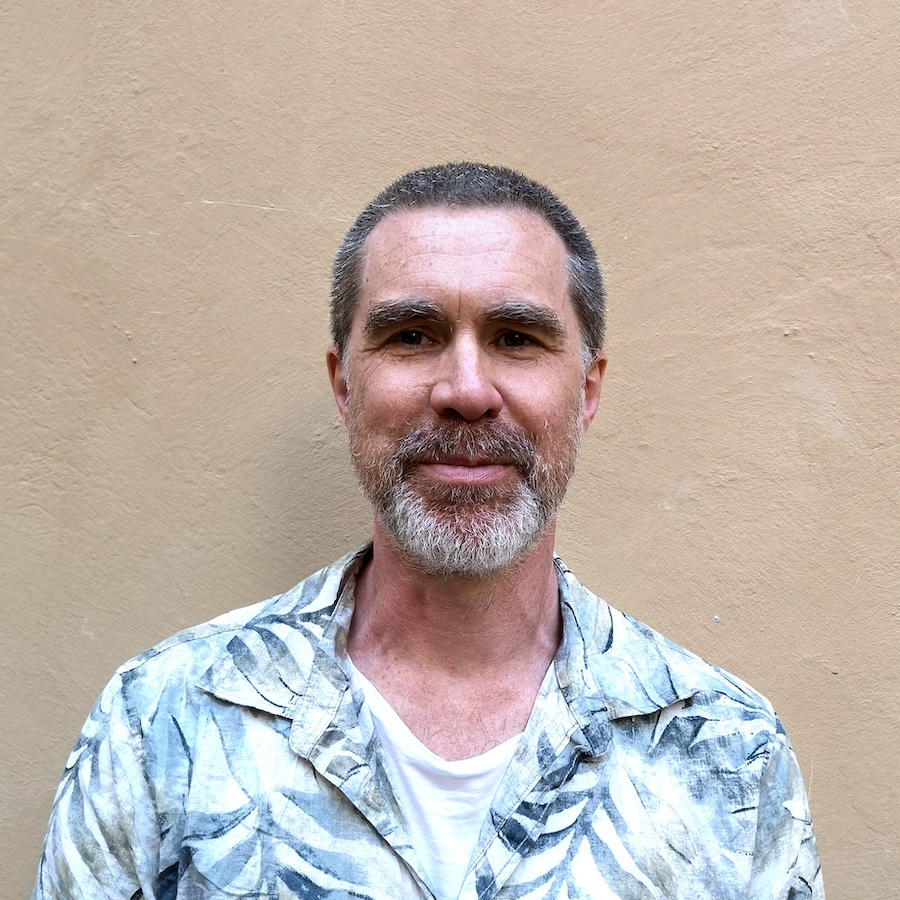
Professor Matthew Hayes.
On 16th of April 2026 Matthew Hayes was promoted to professor of astrophysics by the Vice President of Stockholm University. Matthew has been hired as a researcher (associate professor) at the Department of Astronomy for more than ten years. During this time, he has supervised many students, both undergraduate and PhD students, and has been teaching various courses at the university. He is one of the three leaders of the Galaxies research group at the department.
Matthew Hayes’ research includes a broad range of interests in galaxy formation, where he addresses questions concerning the properties of early galaxies, the last phase transition of our Universe (‘cosmic reionization’), the formation of the first supermassive black holes, and the conditions in media surrounding galaxies. His approach is mostly observational and uses space-based platforms: he runs and participates in many international collaborations and is the leading European user of the Hubble Space Telescope. He was awarded the Wallenberg Academy Fellowship to support this research in 2015, and its extension in 2020.
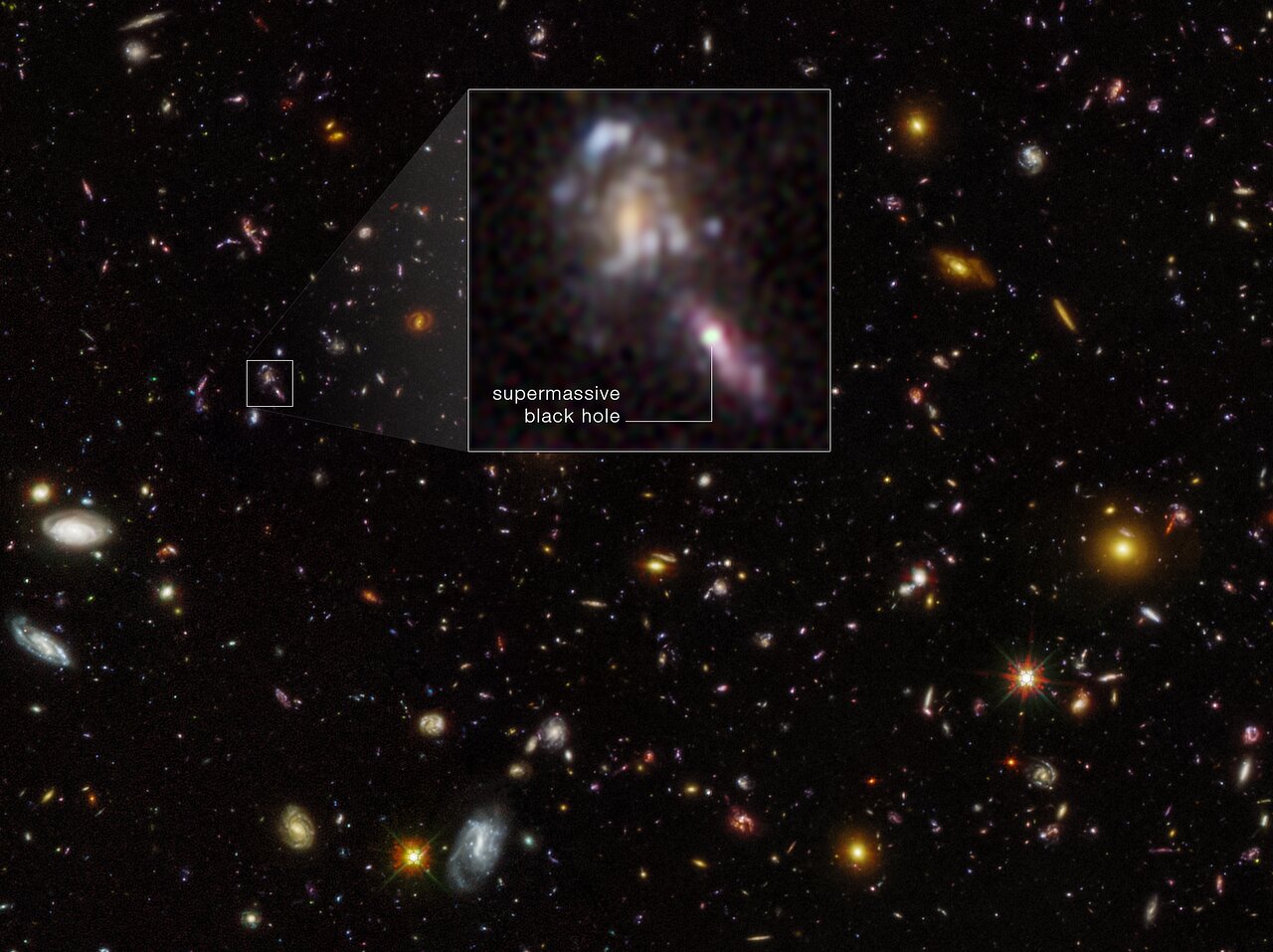
Hubble Space Telescope image from a study led by Matthew Hayes. By using images taken by Hubble over more than one decade supermassive black holes in the centers of galaxies could be discovered through their variability. For more details click on the image to get to the ESA webpage.
Matthew Hayes is also active in facility-development and policy where, for example, he chaired the extragalactic branch of the European priority Roadmap for Astronomy in the 2030s (ASTRONET), sits on the Space Telescope Users' Committee, and serves on panels guiding the development of next generation facilities such as the Extremely Large Telescope and Habitable Worlds Observatory.
More information
Last updated: 2026-05-08
Source: Department of Astronomy