


Research highlights 2025–26
The articles below are based on scientific articles and reflects our different research areas. They were originally published in the Bolin Centre’s annual report 2025–26
RT1 | Black carbon: a small particle with a big impact on climate
Black carbon, commonly known as soot, is one of the most important yet uncertain contributors to climate change. Produced by the incomplete burning of fossil fuels, biomass, and other fuels, these tiny particles absorb sunlight, warm the atmosphere, influence clouds, and can accelerate the melting of snow and ice. Unlike carbon dioxide, which remains in the atmosphere for centuries, black carbon persists only for days to weeks. This means that reducing emissions can deliver climate and air-quality benefits relatively quickly. A major review co-authored by Research Theme 1 member Örjan Gustafsson provides the most up-to-date assessment of black carbon in the climate system, bringing together observations and modelling studies from around the world.
Tracking the sources of atmospheric soot
The study highlights how the sources of black carbon vary considerably between regions. Using isotopic “fingerprints”, researchers can identify whether black carbon originates primarily from biomass burning, such as wildfires and household cooking, or from fossil fuel combustion. The review shows that biomass burning dominates black carbon emissions in parts of Africa, while fossil fuels make up a larger contribution in many industrialised regions.
The authors also document how atmospheric black carbon concentrations have changed over recent decades. Levels have generally declined across Europe, North America, South America, and East Asia, reflecting the success of cleaner technologies and air-quality regulations. In contrast, concentrations have stabilised rather than decreased in parts of Africa and South Asia, where rapid societal development and population growth continue to drive emissions.
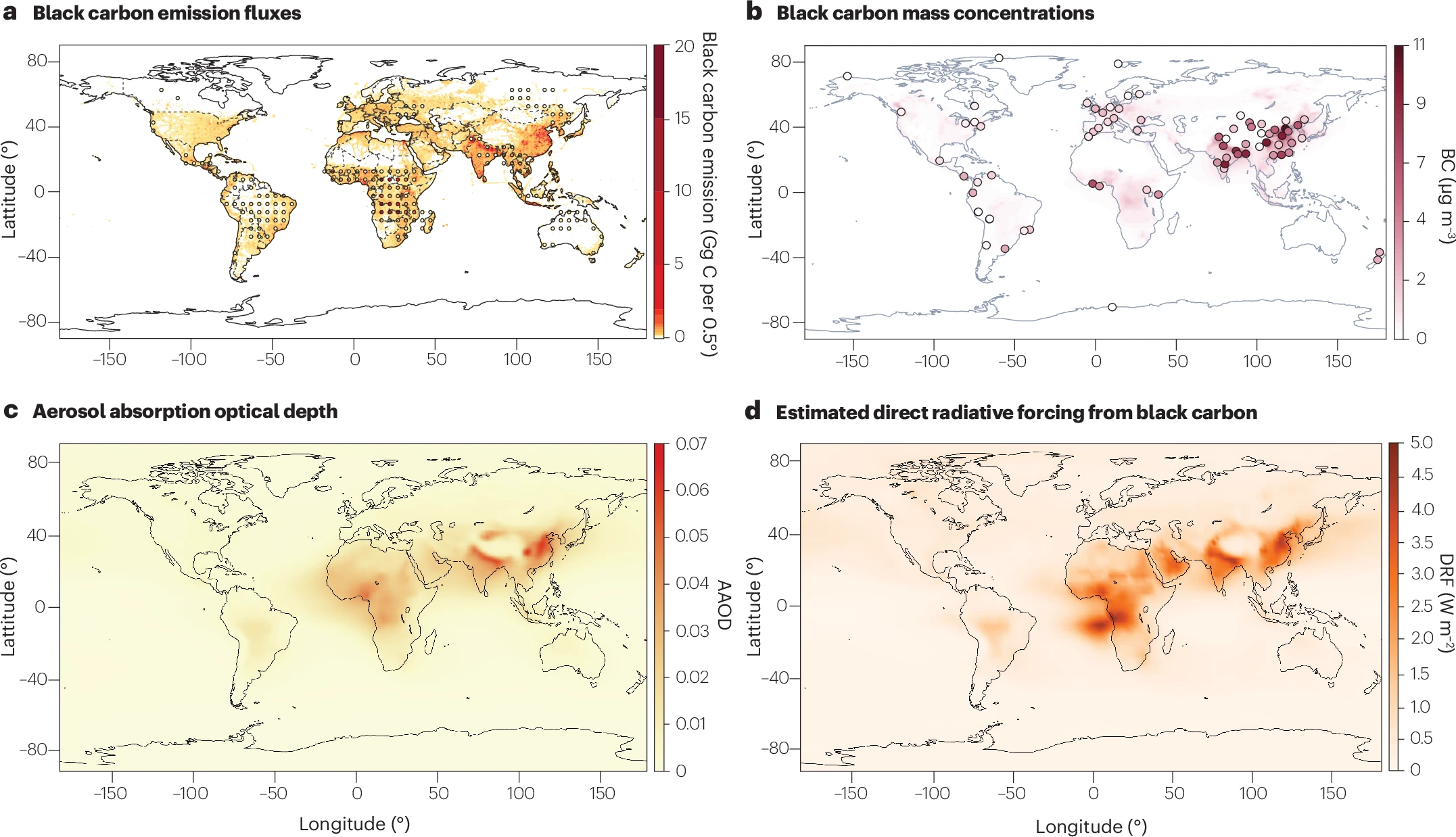
A global overview of black carbon in the atmosphere, showing regional differences in sources and concentrations. Understanding these patterns is essential for improving climate models and reducing uncertainty in future climate projections.
An underestimated climate influence
Although scientists have studied black carbon for decades, major uncertainties remain. The review finds that climate models often underestimate how strongly black carbon absorbs sunlight and how much warming it can produce in key emission regions. Observations suggest that atmospheric black carbon frequently absorbs more solar energy than current models simulate, particularly after particles have aged and mixed with other substances during transport through the atmosphere.
These discrepancies matter because black carbon affects much more than just temperature. By altering atmospheric heating, it can influence humidity, clouds, precipitation patterns, and regional climate systems. Black carbon deposited on snow and ice can also reduce surface reflectivity, allowing more solar energy to be absorbed and increasing melt rates in vulnerable regions such as the Arctic and in high mountain environments.
Improving climate predictions and mitigation strategies
The review concludes that a closer integration of observations and modelling is needed to better quantify black carbon’s role in the climate system. Improved emission inventories, expanded monitoring networks, and more accurate representations of particle properties in climate models will help reduce uncertainty and strengthen future climate projections.
Because black carbon is both an air pollutant and a climate forcer, reducing emissions offers a unique opportunity to improve public health while simultaneously slowing near-term warming. By providing a comprehensive assessment of the current state of knowledge, this review helps guide future research and informs efforts to develop effective climate mitigation policies.
This research highlight is based on the scientific publication Atmospheric black carbon in the climate system, published in Nature Reviews Earth & Environment (2026), DOI: 10.1038/s43017-026-00773-3.

Photo: Björn Eriksson
RT1 | Ocean heat pulses help regulate a key climate circulation in the North Atlantic
Ocean currents transport heat across the North Atlantic and play an important role in regulating climate in northern Europe and the Arctic. A study led by Research Theme 1 co-leader Léon Chafik shows that slowly moving temperature and salinity anomalies travelling north through the Atlantic help control a key part of this circulation system. The findings improve our understanding of how ocean-driven climate variability develops over years to decades.
A climate signal travelling through the ocean
The researchers focused on the flow of warm Atlantic water entering the Nordic Seas, the region between Greenland, Iceland, and Scandinavia. By analysing ocean observations collected over several decades, they discovered that changes in this inflow are linked to large-scale temperature and salinity anomalies that slowly propagate northward through the Atlantic Ocean.
These anomalies, sometimes called “thermohaline anomalies”, can be thought of as large bodies of unusually warm and salty water, or unusually cold and fresh water, that move with the ocean currents. The study shows that these signals originate in the North Atlantic and gradually travel north along the North Atlantic Current, eventually reaching the Nordic Seas and the Arctic Ocean.
Remarkably, the journey can take many years. The researchers identified recurring cycles lasting approximately 10 to 14 years, providing a mechanism through which climate signals generated in one part of the Atlantic can influence conditions thousands of kilometres away.
More than passive ocean signals
Previous studies have shown that temperature and salinity anomalies move through the North Atlantic. However, this study demonstrates that these signals do more than simply travel with the currents. They actively influence the strength of the circulation itself.
When warm and salty anomalies reach the eastern North Atlantic, they increase the northward transport of Atlantic water into the Nordic Seas. This stronger inflow is accompanied by enhanced formation of dense waters that flow back southward at depth. Conversely, cold and fresh anomalies weaken both the inflow and the return flow.
In other words, the study reveals a tightly connected system in which changes originating in the mid-latitude Atlantic can influence both the amount of heat transported northward and the sinking of dense water that helps maintain the overturning circulation.
Why this matters for climate prediction
The Atlantic overturning circulation is one of the most important components of Earth's climate system, influencing weather patterns, marine ecosystems, and regional climates, particularly across Europe and the North Atlantic region. Understanding the processes that regulate its variability is therefore essential.
The study shows that slowly propagating ocean anomalies provide a source of climate predictability on timescales of years to decades. Because these signals can be tracked as they move northward through the Atlantic, they may help scientists anticipate future changes in ocean circulation and regional climate.
Importantly, the researchers also found no evidence of a long-term slowdown in the Nordic Seas overturning circulation over the observational period. Instead, the system appears to undergo substantial natural variability driven by the arrival of these large-scale ocean anomalies.
By identifying the physical mechanism linking heat transport in the North Atlantic to circulation changes farther north, the study sheds new light on how different parts of the ocean are connected and why the Atlantic remains a key source of climate predictability.
This research highlight is based on the scientific publication The Nordic Seas overturning is modulated by northward-propagating thermohaline anomalies, published in Communications Earth & Environment (2025), DOI: 10.1038/s43247-025-02557-x.
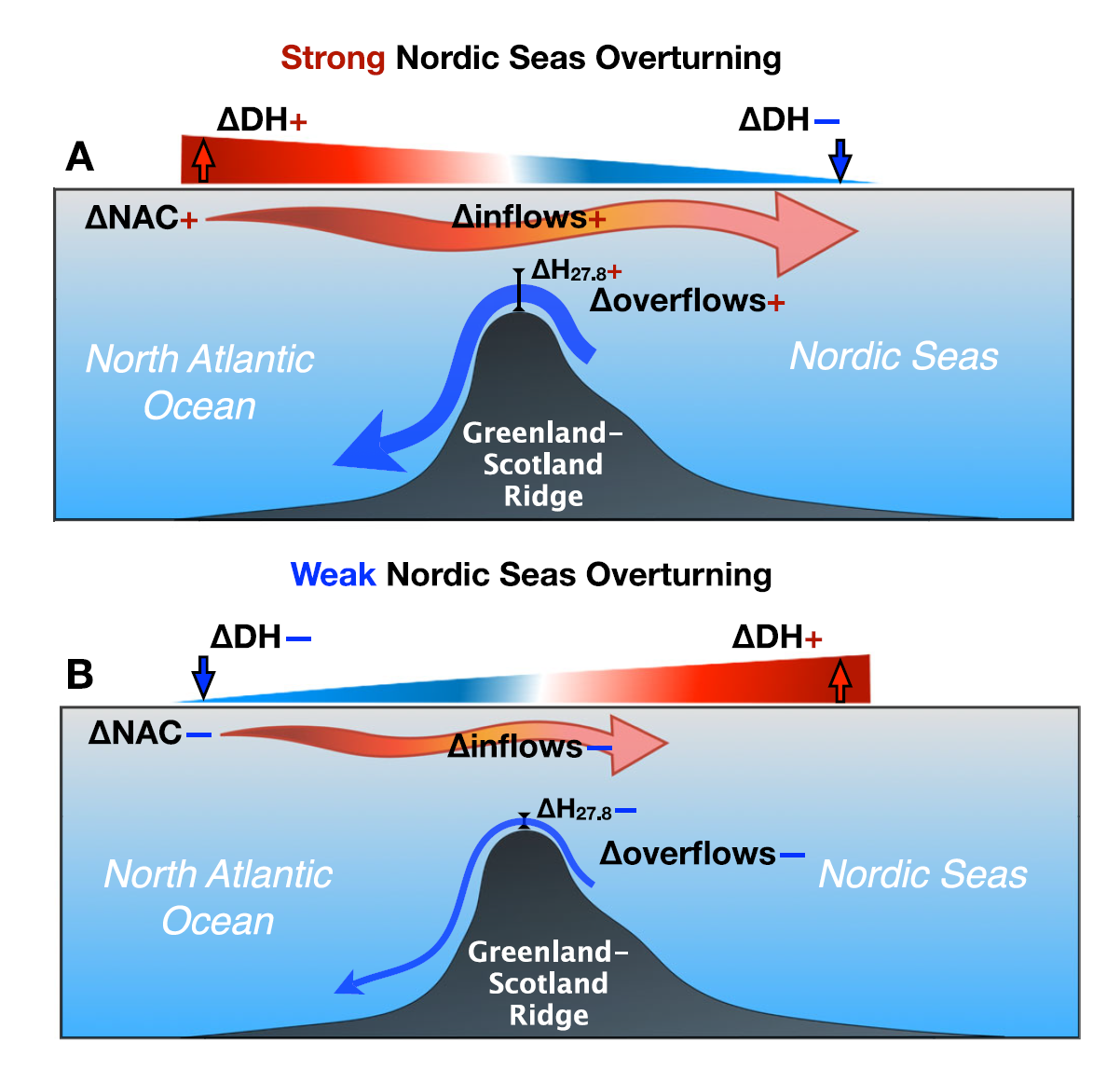
Warm and salty water anomalies travelling north through the Atlantic can strengthen the flow of Atlantic water into the Nordic Seas, while cold and fresh anomalies have the opposite effect. These oceanic signals help regulate a key component of the Atlantic overturning circulation and influence climate variability on timescales of years to decades.
RT2 | Climate change threatens the world's tropical mountain biodiversity hotspots
Humid high-elevation tropical ecosystems are among the world's most unique environments. Found in mountain regions of South America, Africa, and Australasia, they harbour exceptional biodiversity and provide vital ecosystem services, including water regulation for millions of people. A new study involving Research Theme 2 co-leader Fernando Jaramillo shows that climate change could push many of these ecosystems beyond the temperature and rainfall conditions under which they currently exist.
Unique ecosystems with limited room to move
Humid high-elevation tropical ecosystems occur between the upper forest line and the permanent snow line in tropical mountain regions. Despite covering relatively small areas, they are biodiversity hotspots supporting remarkably high levels of species richness and endemism. For example, the Northern Andes alone host thousands of plant and animal species, many of which occur nowhere else on Earth.
These ecosystems are naturally fragmented across isolated mountain ranges. Over recent decades, land-use change has further increased this fragmentation, making it more difficult for species to move in response to changing environmental conditions. As temperatures continue to rise, many species may have limited opportunities to migrate to suitable habitats.
Future climates unlike anything seen today
The researchers used high-resolution climate projections from the latest generation of climate models to investigate how future temperature and precipitation patterns may alter the hydroclimatic conditions that currently define these ecosystems. Rather than examining temperature or rainfall separately, the study focused on the broader “hydroclimatic space” in which these ecosystems have developed and persisted.
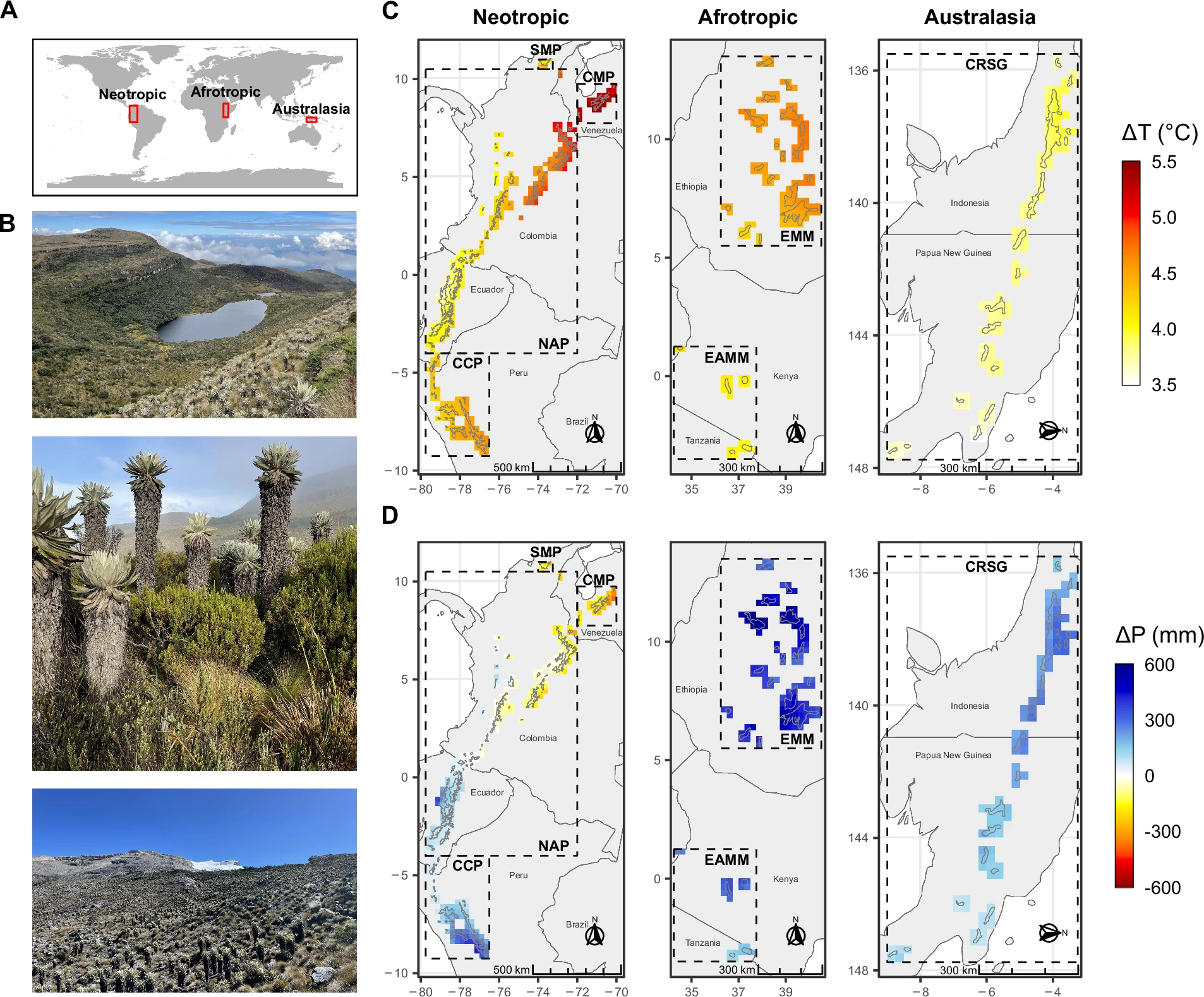
Humid high-elevation tropical ecosystems occur in mountain regions across South America, Africa, and Australasia. Climate projections indicate substantial increases in temperature and, in some regions, declining precipitation, threatening the hydroclimatic conditions that currently support these biodiversity-rich ecosystems.
The results indicate that many humid tropical mountain ecosystems could experience climate conditions that fall outside their current hydroclimatic range by the end of the century under a high-emissions scenario. The strongest changes are projected for northern South America, where ecosystems are expected to face both substantial warming and declining precipitation. In some regions, the current hydroclimatic space could be breached entirely.
Humid high-elevation ecosystems in Africa and Australasia are also projected to experience significant changes, particularly in temperature extremes and seasonal climate patterns. Together, these results suggest that many of the environmental conditions that currently support these ecosystems may disappear within decades.
Implications for biodiversity and water resources
The findings highlight the vulnerability of tropical mountain ecosystems to ongoing climate change. Because these environments support unique species assemblages and provide essential ecosystem services, changes to their hydroclimatic conditions could have far-reaching consequences for both biodiversity and human societies.
By identifying regions where climate change is most likely to exceed current environmental limits, the study provides valuable information for conservation planning and climate adaptation strategies. Protecting connectivity between habitats, reducing other human pressures, and strengthening ecosystem resilience may become increasingly important as tropical mountain regions face unprecedented climatic conditions.
This research highlight is based on the scientific publication Current hydroclimatic spaces will be breached in half of the world's humid high-elevation tropical ecosystems, published in Communications Earth & Environment (2025), DOI: 10.1038/s43247-025-02087-6.
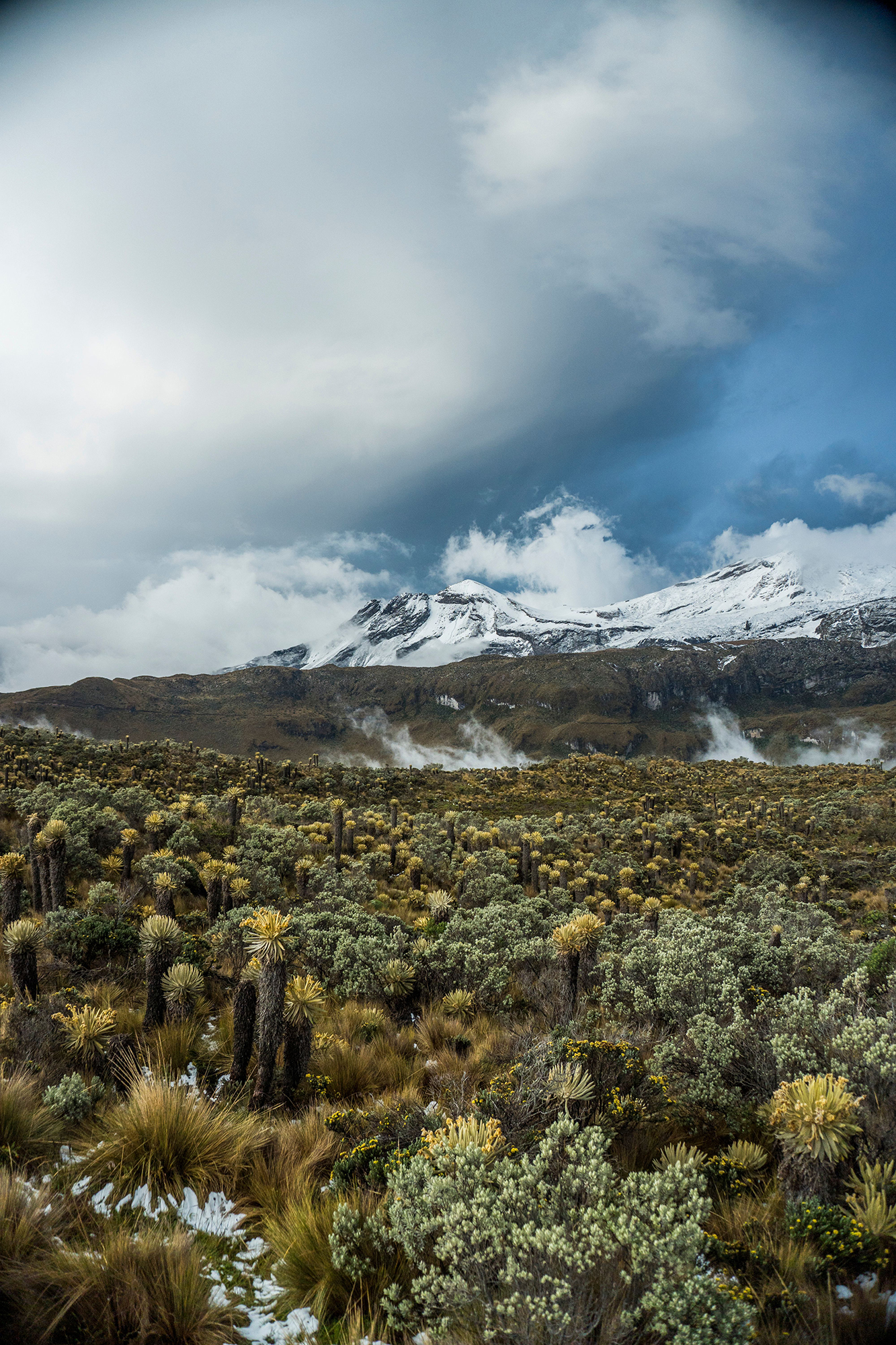
Sierra Nevada del Cocuy, Colombia. Photo: Juan Felipe Ramírez @pexels.com
RT2 | How retreating ice sheets transformed groundwater beneath the seafloor
Groundwater flowing beneath the seafloor is one of the least understood links between land and ocean. Yet these hidden flows transport freshwater, nutrients, and dissolved substances that can influence marine ecosystems and coastal biogeochemical cycles. A study involving members of Research Theme 2 reveals how the retreat of the Fennoscandian Ice Sheet fundamentally transformed groundwater circulation beneath the Norwegian continental shelf thousands of years ago.
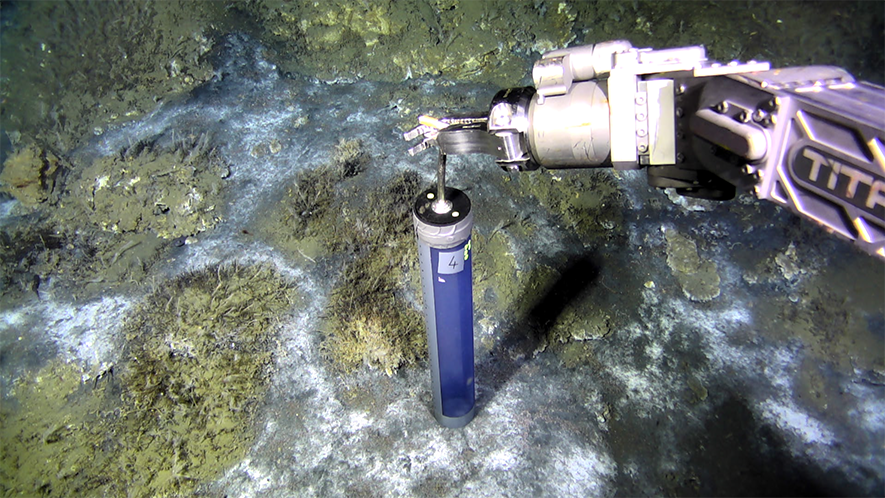
Still frame from a video showing Microbial mats and carbonate crusts on the seafloor of the Lofoten-Vesterålen margin, northern Norway. These ecosystems are sustained by groundwater and methane slowly seeping from sediments beneath the seabed.
A hidden groundwater system beneath the ocean
Offshore northern Norway, submarine canyons cut into the seafloor near the edge of the continental shelf. Here, researchers have discovered unusual ecosystems characterised by white microbial mats, carbonate crusts, and tube-dwelling organisms. These features are sustained by groundwater and methane slowly seeping from sediments beneath the seabed.
What makes these systems particularly remarkable is their location: nearly 80 kilometres offshore and around 800 metres below the sea surface. The groundwater feeding these ecosystems has remained hidden beneath the seafloor since the last Ice Age.
The legacy of the last Ice Age
During the last glacial period, the vast Fennoscandian Ice Sheet covered northern Europe and extended across the continental shelf. Meltwater from the ice sheet infiltrated the subsurface, while the immense weight of the ice increased pressure within underground aquifers. This pressure helped drive freshwater deep into offshore sediments, creating a large groundwater reservoir beneath the seafloor.
To reconstruct the history of this system, the researchers combined radiocarbon dating, sediment and porewater chemistry, and numerical modelling. Their results reveal that major changes occurred following deglaciation as the ice sheet retreated and the pressure driving groundwater flow gradually disappeared.
When freshwater gave way to seawater
The study shows that seawater began infiltrating the continental margin between approximately 11,500 and 2,600 years ago. Over time, the seawater progressively replaced the freshwater that had accumulated beneath the ice sheet during the glacial period.
As the pressure exerted by the ice sheet disappeared, groundwater flow slowed substantially. The amount of groundwater discharging into the ocean declined, reducing the transport of dissolved substances from the subsurface to marine environments. Evidence for this transition remains preserved in minerals formed within the sediments, which act as geological archives of past groundwater conditions.
Lessons for a warming world
The findings reveal how large-scale climate changes can reshape groundwater systems far beneath the seafloor and over thousands of years. They also provide a rare observational record of how offshore groundwater systems respond to the advance and retreat of major ice sheets.
As glaciers and ice sheets continue to shrink in response to modern climate change, similar processes may already be underway in currently glaciated regions. By examining the long-lasting legacy of past ice sheets beneath the Norwegian continental shelf, researchers gain valuable insights into how hidden groundwater systems may evolve in the future and how these changes could influence coastal and marine environments.
This research highlight is based on the scientific publication Deglaciation drove seawater infiltration and slowed submarine groundwater discharge, published in Nature Geoscience (2025), DOI: 10.1038/s41561-025-01750-z.
RT3 | Clues from the Miocene: when the Atlantic overturning circulation first emerged
The Atlantic Meridional Overturning Circulation (AMOC) is one of the most important ocean circulation systems in the modern climate. By transporting heat northward through the Atlantic Ocean, it helps shape temperatures, precipitation patterns, and weather across Europe and beyond. Understanding how this circulation responds to a warmer climate is therefore crucial.
A new study led by members of Research Theme 3 investigates ocean circulation during the Miocene, a period around 20 to 12 million years ago when atmospheric carbon dioxide levels were comparable to those expected in the coming century.
Looking to the past for answers about the future
Future climate projections rely heavily on numerical models, but evaluating how well these models represent long-term climate processes is challenging. Modern observations cover only a short period and do not capture the full range of climate conditions that Earth may experience in a warmer world. Past climate states therefore provide valuable opportunities to test our understanding of the climate system.
The Miocene represents a particularly interesting period in Earth's history. It falls between the very warm Eocene, when deep water formed mainly around Antarctica, and the cooler climate of today, where deep waters form both in the Southern Ocean and the North Atlantic. Understanding how ocean circulation operated during this transition can help scientists better understand the mechanisms controlling the AMOC.
A world between two circulation states
The researchers analysed an ensemble of climate model simulations from the Miocene Model Intercomparison Project (MioMIP1). Across all simulations, the Arctic Ocean remained substantially fresher than today, and deep-water formation continued to be dominated by the Southern Ocean. However, unlike simulations of the earlier Eocene, many Miocene simulations showed signs of an emerging Atlantic overturning circulation.
The study also found evidence that some simulations supported deep-water formation in the Pacific Ocean, known as the Pacific Meridional Overturning Circulation (PMOC). Whether deep waters formed primarily in the Pacific or the Atlantic depended on several factors, including the depth of the Panama Seaway, mountain elevations, and regional freshwater input to the ocean.
Water entering the ocean as precipitation, rivers, or meltwater reduces salinity and makes it harder for surface waters to sink. The simulations show that regions receiving more freshwater generally developed weaker overturning circulation, highlighting the strong influence of the global water cycle on ocean circulation patterns.
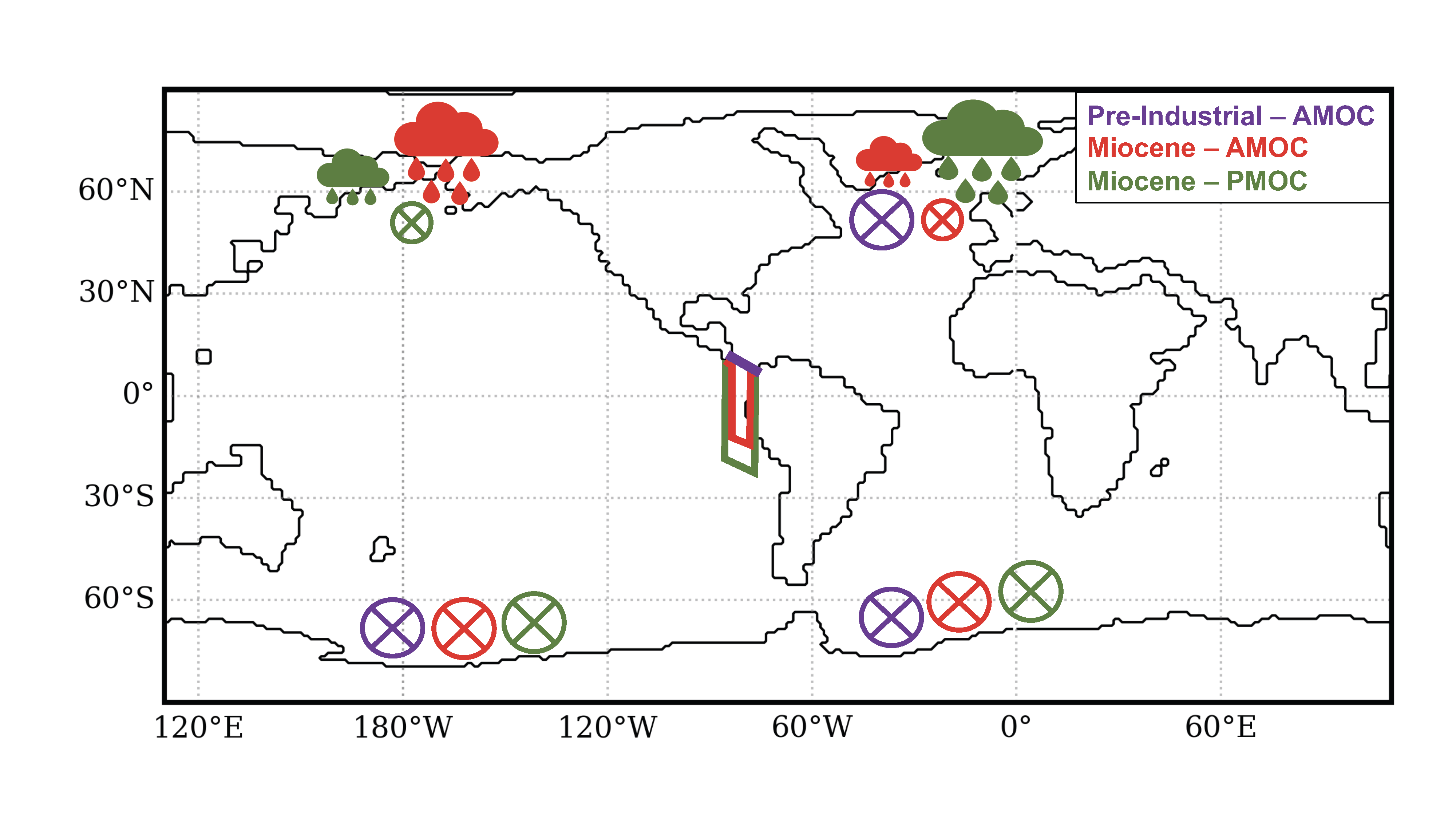
Conceptual summary of Miocene ocean circulation. During the Miocene, deep-water formation may have occurred in either the North Pacific or the North Atlantic, depending on factors such as ocean gateways, topography, and freshwater inputs. The period represents an intermediate stage between ancient circulation patterns and the modern Atlantic overturning circulation.
The birth of a modern ocean circulation
The results suggest that the Miocene occupied an intermediate state between ancient and modern ocean circulation regimes. Pacific overturning circulation may have been present during the early Miocene, while a weak AMOC became increasingly established during the middle Miocene.
As the first comprehensive multi-model assessment of Miocene deep-ocean circulation, the study provides important insight into how large-scale ocean currents develop under warmer climate conditions. By revealing how ocean gateways, freshwater inputs, and atmospheric conditions influence overturning circulation, the findings help scientists better understand how this critical component of Earth's climate system may respond to future warming.
This research highlight is based on the scientific publication Ocean Meridional Overturning Circulation During the Early and Middle Miocene, published in Paleoceanography and Paleoclimatology (2025), DOI: 10.1029/2024PA005055.

Stokes Bay, SA, Australia. Photo: Vlad Kutepov @pexels.com
RT3 | Warming trends drove past megadroughts in North America during the Holocene
Rapid greenhouse gas-driven warming will strongly reshape regional hydrology, yet climate models often disagree even on the direction of future precipitation changes. For ecosystems, the key question is whether any increase in rainfall can offset rising evapotranspiration. A new study involving researchers from Research Theme 3 uses paleoclimate records and climate model simulations to investigate these dynamics. The study focuses on the Holocene expansion and retreat of the North American prairies, where proxy reconstructions and climate models have long disagreed on millennial-scale water balance trends, until now.
Evidence of past megadroughts
The Dust Bowl of the 1930s is a haunting example of the severe ecological and agricultural destruction that can result from a combination of natural and human factors. But how unusual are multi-year periods of severe drought like those experienced during the 1930s?
Proxy evidence from the past approximately 12,000 years suggests that recent millennia have been relatively humid. Earlier in the Holocene, however, millennial-scale megadroughts caused a much wider expansion of prairies, particularly during the mid-Holocene. New multi-method pollen-based reconstructions in this study, comparing traditional statistical approaches with new machine-learning methods, largely confirm previous results.
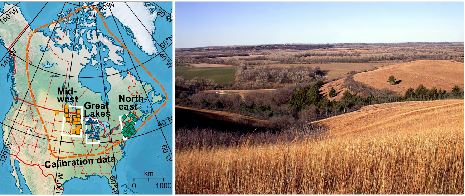
East-west transect across the prairies and transitional areas with temperate forests. Photo: Edwin Olson/Wikimedia Commons
For several decades, older climate model simulations disagreed with this proxy evidence, preventing scientists from confidently identifying the drivers of these megadroughts. In the new study, high-resolution paleoclimate simulations performed at the Bolin Centre resolve this inconsistency for the early Holocene using CESM1 and for the past 8,000 years using EC Earth, with the results further supported by MPI-ESM simulations from Hamburg.
Disentangling the drivers of millennial megadroughts
In addition to July temperatures, climate calibrations based on modern pollen surface samples confirm that the reconstructions perform well in capturing annual water balance. When applied to the past, changes in pollen retrieved from lake sediments reflect the effects of annual water balance on vegetation over time and space, providing evidence for millennial-scale megadroughts in North America.
Climate models can then help disentangle the main drivers of these water balance trends by separating the effects of annual precipitation and temperature-driven potential evapotranspiration.
In the early Holocene, cold summers and low evaporation allowed relatively humid conditions to persist despite very low annual precipitation. As summers rapidly warmed, evaporation increased strongly while precipitation remained low, resulting in millennial-scale megadroughts driven by high summer temperatures. Neoglacial cooling during the last millennia, together with a continued increase in annual precipitation, led to the relatively humid conditions experienced today. Simulations for the future indicate a return to drier conditions, again driven by warming.
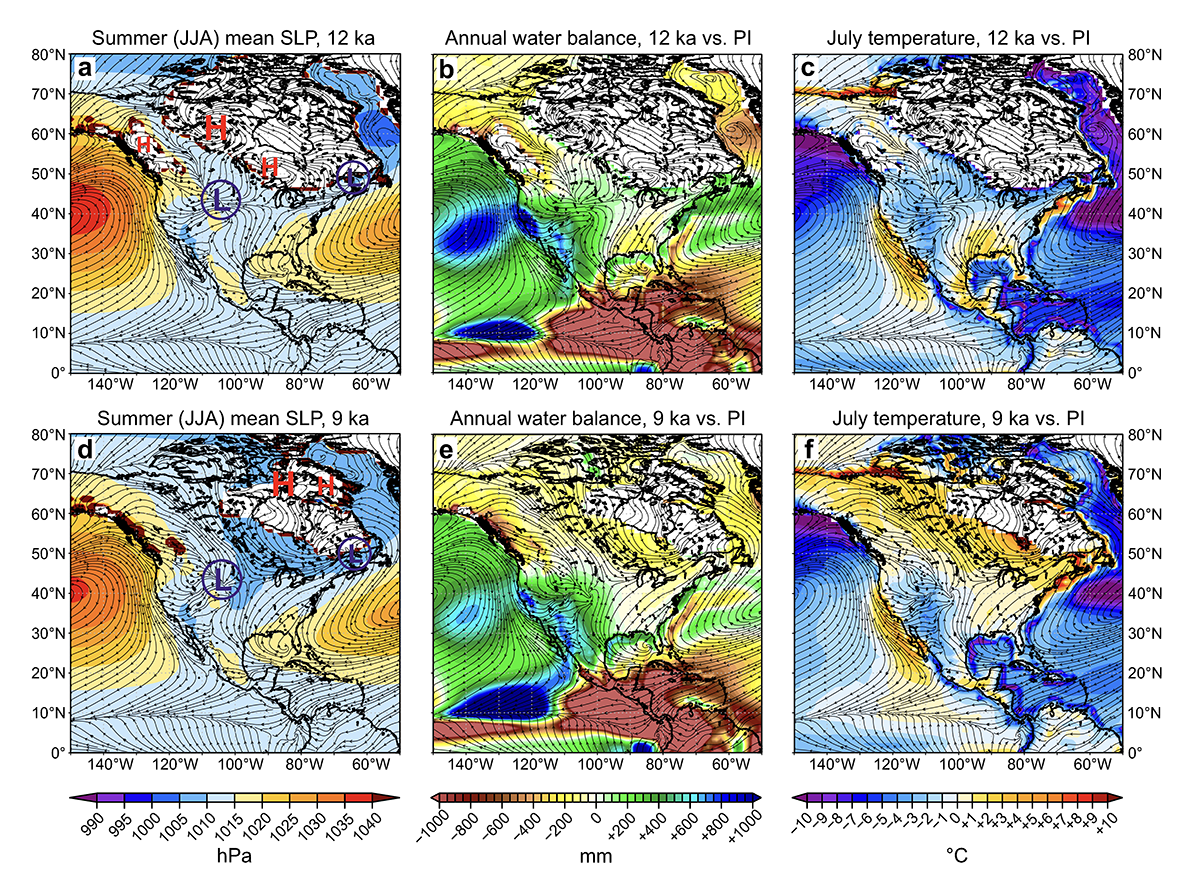
Retreating Laurentide Ice Sheet changes the North American climate
High-resolution climate simulations with CESM1 reproduce the northward retreat of anticyclonic circulation as the Laurentide Ice Sheet disappeared during the early Holocene. The shift from humid towards increasingly dry conditions was further enhanced by high summer insolation. Warmer summers increased evapotranspiration, contributing to the westward expansion of prairies.
This research highlight is based on the scientific publication Patterns and drivers of Holocene moisture variability in mid-latitude eastern North America, by Salonen et al., published in Nature Communications in 2025. The visuals are from the original publication, unless stated otherwise. DOI: 10.1038/s41467-025-58685-7.
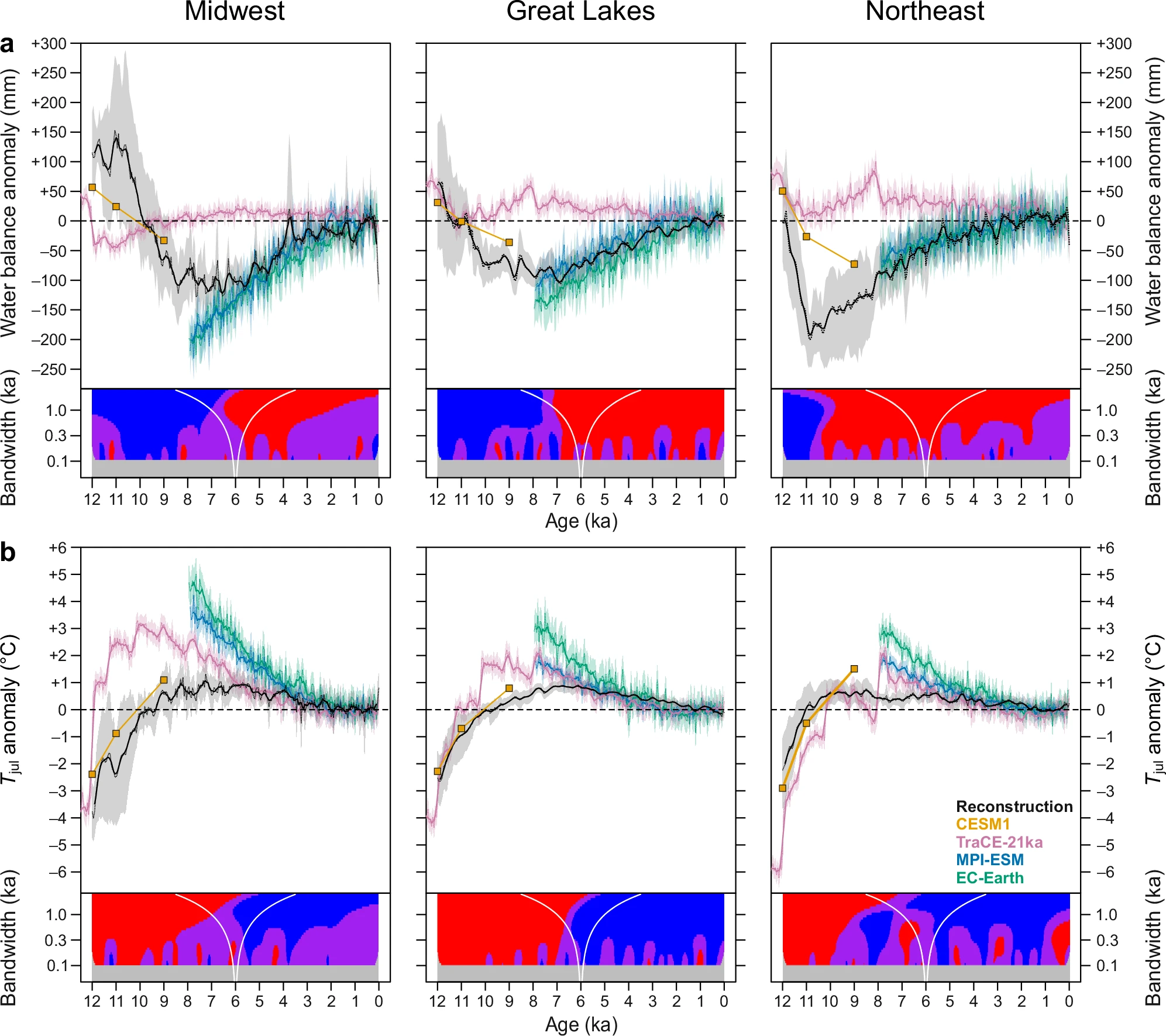
Pollen-based reconstructions compared with climate model simulations of long-term trends in annual water balance anomalies and July temperatures in North America. Reconstructions show the ensemble mean and spread of multiple methods. Snapshot (CESM1) and transient model simulations (TraCE-21ka, MPI-ESM and EC Earth) are used for comparison. The new high-resolution models reproduce reconstructed long-term trends and spatial shifts in annual water balance.
RT4 | The ocean economy's blind spot: why corporate transparency matters for marine sustainability
The ocean economy is expanding rapidly. Industries such as shipping, seafood production, offshore energy, tourism, and marine biotechnology are transforming how humans use the ocean, creating economic opportunities while placing growing pressure on marine ecosystems. A new study led by Research Theme 4 members examines how major corporations report their environmental impacts and reveals a surprising gap: while climate-related impacts are increasingly well-documented, many pressures on marine ecosystems remain largely invisible.
Who is shaping the future of the ocean?
A relatively small number of large companies dominate the global ocean economy. These corporations influence vast areas of the ocean through activities such as fishing, shipping, energy production, and resource extraction. Understanding how these activities affect marine ecosystems is essential for managing ocean sustainability and protecting biodiversity.
Many companies publish annual sustainability reports outlining their environmental performance. These reports are increasingly important tools for investors, regulators, researchers, and the public, helping them evaluate environmental risks and track progress toward sustainability goals.
Plenty of climate data, little information about biodiversity
The researchers analysed sustainability and annual reports from 75 of the world's largest companies operating across eight major ocean industries. The goal was to understand which environmental impacts are measured, how they are reported, and whether companies establish targets to reduce them.
The results revealed a stark contrast between climate reporting and reporting of other ocean impacts. Most companies disclosed information about greenhouse gas emissions and energy use, reflecting the growing influence of climate reporting standards. However, impacts such as habitat destruction, overfishing, underwater noise, and the spread of invasive species were reported far less frequently.
The study identified 443 different environmental indicators across company reports, indicating little agreement on what should be measured and reported. Biodiversity-related impacts were particularly poorly represented: fewer than one-third of companies reported any biodiversity indicators, and no single indicator was used consistently across the sector.
Why transparency matters
Effective environmental governance depends on reliable information. Without consistent reporting, it becomes difficult to assess environmental performance, compare companies, identify risks, or evaluate whether sustainability commitments are being achieved.
The study highlights how climate reporting has advanced considerably over recent decades, while reporting on biodiversity and ocean ecosystem impacts has lagged behind. As governments, financial institutions, and businesses increasingly recognise nature-related risks, improving transparency around corporate impacts on marine ecosystems will become increasingly important.
Supporting a more sustainable ocean economy
Whether the ongoing industrialisation of the ocean ultimately supports sustainability or accelerates environmental decline depends in part on society's ability to hold companies accountable for their impacts. The researchers argue that improved disclosure standards could help make those impacts visible, allowing policymakers, investors, scientists, and civil society to make better-informed decisions.
By identifying major gaps in existing reporting practices, the study provides an important step towards strengthening environmental accountability and ensuring that future growth of the ocean economy occurs within ecological limits.
This research highlight is based on the scientific publication Identifying and closing gaps in corporate reporting of ocean impacts, published in Nature Sustainability (2025), DOI: 10.1038/s41893-025-01631-8.
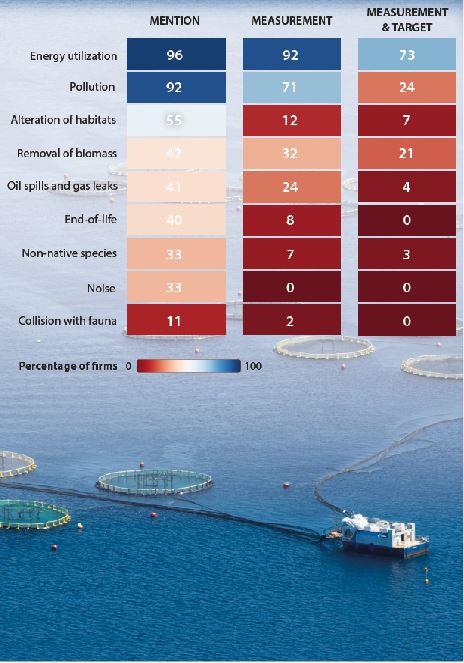
Table: Analysis of sustainability reports from 75 major ocean-economy companies revealed extensive reporting on greenhouse gas emissions and energy use, but far less disclosure of impacts on marine biodiversity, habitats, and ecosystem health. Photo: Norbert Buduczki on Unsplash.com
RT4 | Did plants learn to survive the cold by first surviving drought?
Today, grasses grow almost everywhere on Earth, from tropical savannas to Arctic tundra. Yet the ancestors of many modern grasses evolved in much warmer climates. How plants acquired the ability to survive freezing temperatures remains one of the key questions in plant evolution. A new study involving Research Theme 4 members explores whether an unexpected trait may have paved the way: drought tolerance.

Rambergstranda, Ramberg, Norway. Photo: Ashutosh Gupta on Unsplash.com
A surprising connection between drought and frost
At first glance, drought and freezing conditions appear completely different. One is typically thought of as occurring in hot, dry environments, while the other is characteristic of cold climates. However, both stressors affect plants in remarkably similar ways.
During droughts, plants struggle to obtain water from dry soils. During freezing conditions, water is locked up as ice and is no longer available to plant tissues. In both cases, cells face dehydration, risking damage to membranes, proteins, and other essential structures.
This similarity has led scientists to propose the “drought-before-cold” hypothesis: the idea that traits originally evolved in response to drought may later have enabled plants to persist infreezing environments.
Following millions of years of grass evolution
To test this hypothesis, the researchers analysed a large evolutionary tree of grasses; a plant family containing more than 11,000 species found worldwide in a variety of climates. By tracing the evolutionary history of drought tolerance and frost tolerance, they investigated whether one adaptation consistently appeared before the other.
The results revealed a complex picture. In some grass lineages, drought tolerance evolved first and was followed by frost tolerance, supporting the hypothesis. In others, frost tolerance appeared before drought tolerance. Rather than identifying a single pathway, the study uncovered multiple routes through which grasses adapted to challenging environments. Remarkably, some groups of species had also lost their ancestral adaptations, with present-day species being either drought or frost specialists, and suggesting that there may be limits to which or how many different environmental stressors plants can adapt to.
Evolution builds on existing solutions
Although the details differed among grass groups, the results suggest that adaptations to drought and cold frequently share evolutionary connections. Instead of evolving entirely new solutions, plants often build upon traits that already exist.
This process helps explain how grasses successfully expanded from warm environments into increasingly cold, dry and seasonal climates as Earth's climate changed over millions of years. It also highlights how evolutionary innovations often emerge through the modification of earlier adaptations rather than through entirely new developments.
Lessons for a changing climate
Understanding how plants evolved to tolerate environmental stress is not only important for reconstructing the past – it can also help scientists anticipate how modern species may respond to future climate change.
As many regions experience more frequent droughts and shifting temperature extremes, including severe freezing exposure due to reduced snow cover, understanding the links between different stress-response traits may help identify vulnerable species, improve conservation strategies, and support efforts to develop more resilient crops.
By revealing how past adaptations shaped the evolutionary success of one of the world's most important plant groups, this study provides new insights into the mechanisms that allow life to persist in a changing environment.
This research highlight is based on the scientific publication Drought tolerance as an evolutionary precursor to frost and winter tolerance in grasses, published in Evolution (2025), DOI:10.1093/evolut/qpaf006.
Last updated: 2026-10-15
Source: Department of Geological Sciences