


New global system needed to track methane’s hidden climate risks
A new Policy Forum paper in Science calls for a step change in how the world monitors methane – a greenhouse gas that plays a critical role in near-term climate warming. Led by researchers at Woodwell Climate Center and co-authored by Gustaf Hugelius, co-director of the Bolin Centre, the paper highlights a key blind spot in current climate efforts: natural methane emissions are both substantial and poorly tracked.
While international initiatives have focused on reducing human-caused emissions, natural sources (such as wetlands and inland waters) already account for a large share of global methane emissions. These sources are also highly sensitive to climate change, meaning they could increase as the planet warms, potentially accelerating the pace of warming through feedback effects.
There as a clear risk of dramatic rise in natural CH4 emissions, but we don’t have the capacity to detect and track these changes with current systems,
says Gustaf Hugelius.
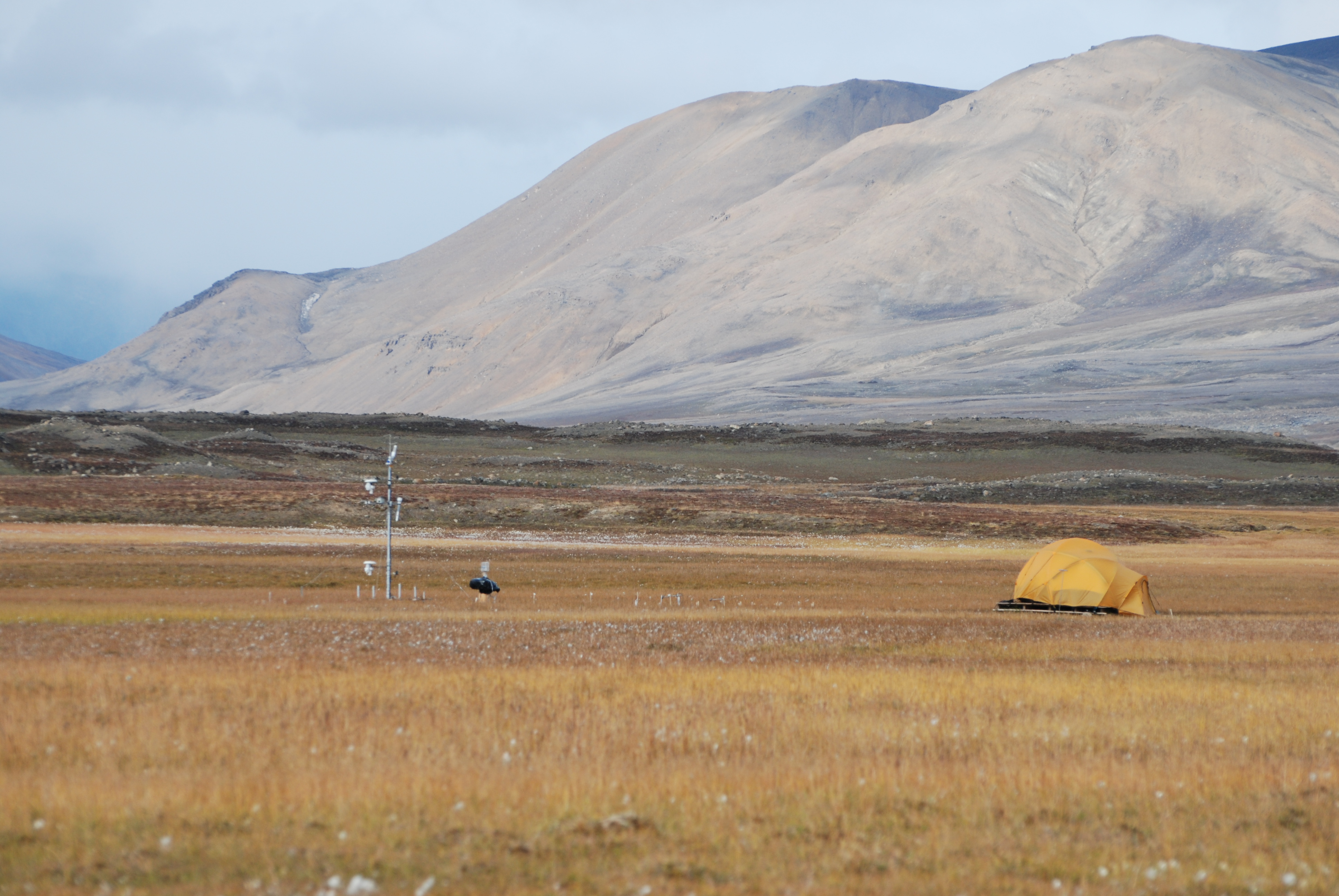
Tower for measuring methane and carbon dioxide. Part of long-term monitoring carried out in Zackenberg, NE Greenland. Photo: Gustaf Hugelius
A missing piece in methane monitoring
Despite their importance, natural methane emissions remain difficult to measure. Current monitoring systems rely on a combination of satellites and ground-based observations, but both approaches have limitations.
Satellites are effective at detecting large, concentrated emission sources, particularly from oil and gas infrastructure. However, they struggle to capture more diffuse emissions across landscapes and are limited by cloud cover, darkness and atmospheric conditions. At the same time, ground-based measurement networks are sparse and unevenly distributed, especially in regions where natural emissions are expected to be high, such as the Arctic and the tropics.
These gaps create significant uncertainty. Scientists and policymakers cannot yet reliably determine whether observed changes in atmospheric methane are driven by human activities, climate-sensitive natural processes, or both — making it harder to assess the effectiveness of mitigation efforts.
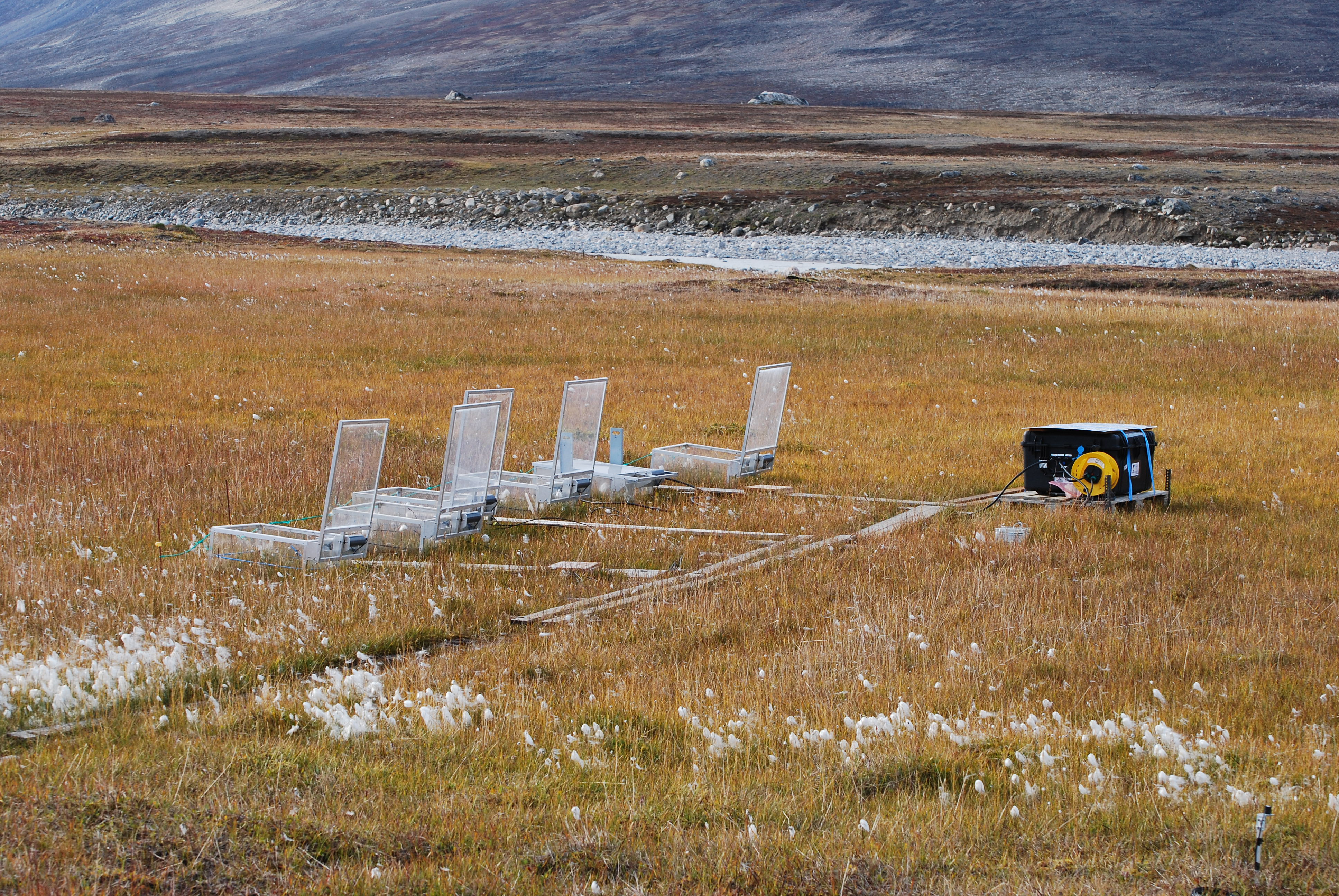
Automatic chambers measuring methane and carbon dioxide. Part of long-term monitoring carried out in Zackenberg, NE Greenland: Photo: Gustaf Hugelius
Toward a global observation system
To address this, the authors propose a Global Ecosystem Methane Observation System (GEM-OS); an integrated framework combining next-generation satellites, expanded ground-based monitoring and improved modelling.
Such a system would make it possible to better detect, attribute and track methane emissions over time, including those from natural ecosystems that are currently underrepresented in global datasets. This, in turn, would provide a stronger foundation for climate policy by enabling more accurate tracking of progress, better-informed mitigation strategies and improved understanding of emerging climate feedbacks.
The authors emphasise that without more robust monitoring, efforts to reduce methane emissions risk missing a critical part of the picture. Strengthening observation systems, they argue, is essential to ensure that climate action aligns with what is actually happening in the atmosphere.
“Not only do we miss shifts in natural emissions, but we are also unable to detect variability in human emissions. Essentially, we cannot validate if emission-reduction policies are actually effective. Our current approach is very cost-ineffective.” says Gustaf Hugelius
Access the Policy Forum A global methane observation system to track climate feedbacks for verifiable climate impact published in Science on 26 March.
Read more about Gustaf Hugelius and his current research projects.
Last updated: 2026-03-26
Source: Department of Geological Sciences