Research catalogue

Discover the research at Stockholm University through our pages for research subjects, projects and research groups!

They also lead you to our researchers profile pages, our departments and courses and programmes.

Refine
Research type

Research type

Status

Research areas

Research areas

Departments

Departments

Showing 1681-1700 of 2793 results

  • New spectral inequalities for domains and graphs

    Research project

    The aim of this project is to establish inequalities between eigenvalues in different physical constellations, focusing on eigenvalues of Laplace and Schrödinger differential equations.
  • Nexus of Air Pollution and Climate Change

    Research subject

    The Indo-Gangetic Plain (IGP; northern Pakistan, N. India and Bangladesh) as well as the eastern corridor of China are two examples of hotspot regions with massive anthropogenic effects on public health and climate with a myriad of cascading effects on other environmental systems.

  • NG| Sustainable management and governance of water and soil in Bolivia

    Research project

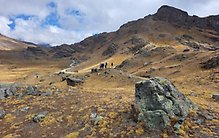
    Water and soils are among the most important natural resources, without action, the pressure on these resources is likely to increase as a result of growing population, evolving food demand and the effects of a changing climate.

  • NG| Under the trees: Quantifying invisible changes in wetland water availability.

    Research project

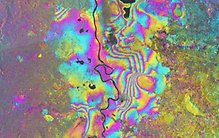
    The project develops a new methodology based on current and future space missions to track hidden changes in wetland water level, extent, storage, and connectivity, and untangle the links between the human and climate drivers of change.

  • Nicole Pamme's group

    Research group

    Our research revolves around the study of microfluidic lab-on-a-chip devices, which allow precise handling of liquids at microscopic scales.

  • Niklas Hedin's group

    Research group

    The main focus is currently on absorbents and adsorbents for separation carbon dioxide. A multipronged approach is applied that includes among other tools molecular spectroscopy.

  • Nitrogen fixation

    Research subject

    Some organisms, such as Rhodospirillum rubrum, a bacterium that has been well studied at the department for biochemistry and biophysics, has the catability of binding nitrogen from the air for use within the cell. The products of this nitrogen metabolism then becomes available to certain plants that cohabitate the soil where these bacteria thrive.

  • NITROPRIME: Impact of Arctic plant-soil interactions on plant nutrition and carbon sequestration

    Research project

    Plants can accelerate soil decomposition near their roots, which can increase soil CO2 release, but also nitrogen availability and thereby plant productivity. NITROPRIME will quantify the impact of this complex interplay on the Arctic CO2 balance.

  • Non-coding oligonucleotides as broad-spectrum antiviral treatment

    Research project

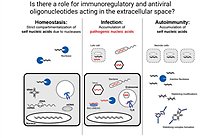
    We will map local immune responses in the lungs of mice infected with RSV and compare the responses occurring after treatment using an oligonucleotide with capacity to inhibit RSV infection.

  • Non-state actors in the new landscape of international climate cooperation

    Research project

    At a time when the UN climate negotiations appear to be making little progress, non-state initiatives on climate change are thriving.

  • No pain, no gain – meanings of pain for recreational athletes: negative, positive, both?

    Research project

    No pain no gain is a popular motto in connection with training. Besides negative pain from injuries it seems that there is such a thing as good pain. Something you even should aim at during exercise and that allegedly contributes to a healthier life

  • Nordic Network Gender, Body and Health

    Research group

    Established in 2008, the Nordic Network for Gender, Body, Health provides a platform for researchers and practitioners working across a diverse set of academic and professional backgrounds from medicine, comparative literature and sociology to philosophy, psychiatry, anthropology, sports and health sciences, and history of science.

  • Nordic Network on Longitudinal Child Welfare Research (NORDLOCH)

    Research project

    Multidisciplinary network to unite Nordic researchers with expertise in longitudinal welfare research.

  • NORDICORE – Gender balance in academia

    Research project

    The main aim of NORDICORE is to create knowledge that will further advance gender balance and diversity in research and innovation. The research design uses mixed methods and data are acquired from a wide range of sources. Thus, it allows to pinpoint specific mechanisms behind gender inequalities.

  • NordPath - new paths for nordic internationalization in higher education

    Research project

    The mission of the NordPath project is to support and facilitate institutions’ processes in developing new, more inclusive internationalization opportunities for students and co-creating new formats of Nordic education cooperation for joint curriculum development.

  • NordSalt: Climate Change Impacts and Biodiversity Interactions in Nordic Salt Marshes

    Research project

    Saltmarshes are some of the most efficient carbon sinks, but climate warming and altered land use threatens to diminish their diversity and turn them into sources of the potent greenhouse gas methane.

  • NORFACE

    Research project
  • Normative Ethics

    Research subject

    Normative ethics seeks to answer the question of what is good or bad, how we should live, and how we should act, given that our decisions inevitably affect others for better or worse.

  • North Atlantic Deep-Water formation initiated by the closure of the Barents Sea Seaway

    Research project

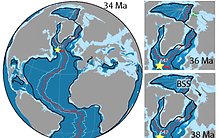
    In this project we propose and test the hypothesis that the deep-water formation was triggered by the closure of the Arctic Ocean from the Atlantic, thus enabling the Atlantic surface water to become salty and dense enough to sink to great depths.

  • NoSexPoorPollen: The evolutionary degeneration of pollen in asexual dandelions

    Research project

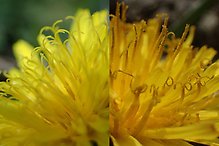
    Dandelions are among the most iconic wildflowers of temperate regions, attracting countless insects. Yet in Northern Europe, they reproduce without sex: their seeds are clones of the mother plant. The huge amounts of pollen they produce—up to 80% of early spring pollen in meadows—serve no purpose for them. So why keep producing it?