


Research project Commercial Soft Power: Nazi Rule and the Marketing of German Brands in Neutral Sweden, 1933–1945
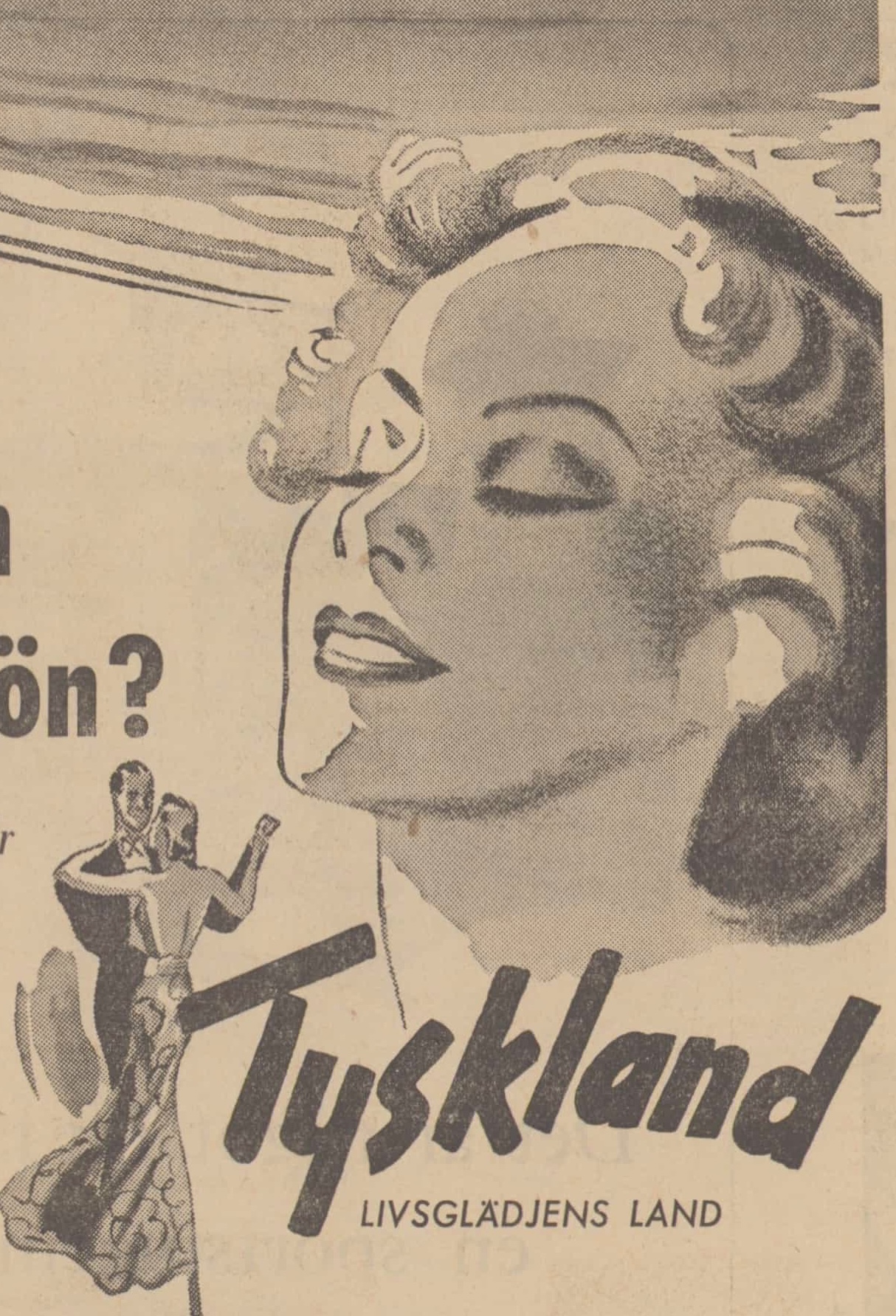
This project examines how Nazi Germany used commercial soft power to promote a positive image of the regime in Sweden through the marketing and sales of German goods between 1933 and 1945. This included supporting pro-German Swedish publications through advertising contracts while pressuring German companies to withdraw advertising from newspapers and magazines considered “hostile” or “Jewish”. By investigating how companies marketing German brands in Sweden responded to and interacted with these efforts, the project sheds new light on the intersection of commerce, propaganda, and political influence. Drawing on archival sources from both German and Swedish state actors, as well as from private businesses, it combines original empirical research with theoretical development.
The project bridges two established but largely separate research fields: studies of Nazi propaganda in Sweden and research on Swedish German trade relations, highlighting the largely overlooked business-historical dimensions of propagandistic influence. Previous research has shown that Nazi Germany viewed international marketing of brands and consumer goods as vehicles for and promoting “German ideas” and enhancing the regime’s reputation abroad. Yet little is known about how such ambitions were translated into practice through advertising and consumer culture. Sweden offers a particularly valuable case study as a neutral country that nevertheless occupied an important place in Nazi Germany’s economic, cultural, and geopolitical sphere of interest.
The project advances the concept of commercial soft power while providing a detailed analysis of Nazi Germany’s commercial-political strategy, its implementation, and its impact on the Swedish market.