


Research project Can cyanobacterial blooms make Baltic Sea fish less toxic?
This project will investigate the contribution of cyanobacterial blooms to fish production and contaminant bioaccumulation in the Baltic Sea.
The previous view of cyanobacterial blooms being detrimental to the Baltic Sea ecosystem has been re-evaluated and accumulating evidence demonstrates that they support secondary production during summer, when fish such as herring is food-limited. At any given size, faster growing fish have lower levels of bioaccumulating contaminants such as dioxins. Isotope tracer techniques will be used to quantify how much fixed nitrogen from cyanobacterial blooms, which are increasing in the Baltic Sea, contribute to herring growth. We will establish threshold levels for cyanobacterial blooms where positive effects on fish production and the bioaccumulation of contaminants can be expected.
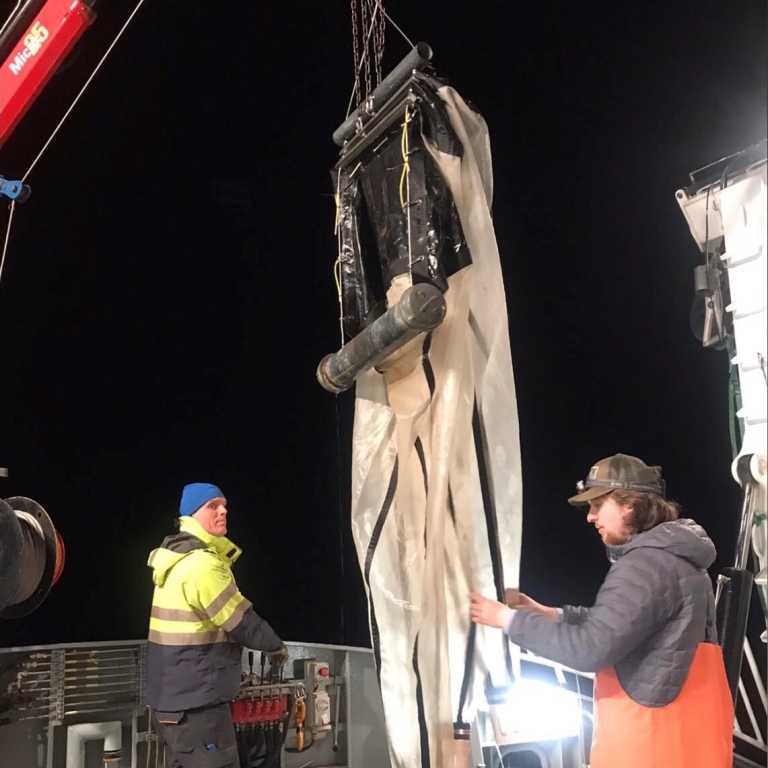
Photo: Hanna Kaliff.
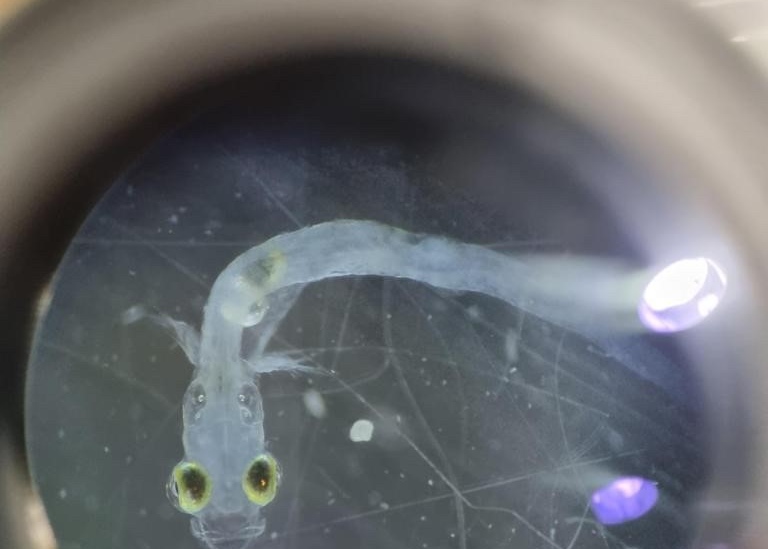
Photo: Jphn Taylor