


Research project Risky Reading: The Child in Conflicts over LGBTQ+ Inclusive Children’s Literature and Reading
Children’s books and story hours have, somewhat unexpectedly, become new arenas for debates over gender and sexuality. While some view LGBTQ+-inclusive initiatives as important for promoting diversity and acceptance, others warn that they may disrupt a child’s “normal” development. Building on these conflicts, the project examines how the child is used as a symbol in global struggles over norms, gender, and the values of the future.
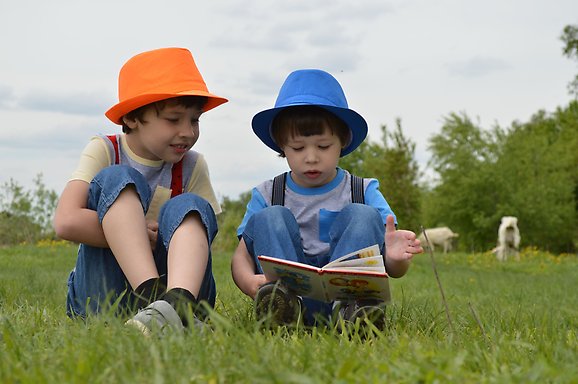
Photo: Sunrise / Pixabay
Recent conflicts over representations of non-normative gender and sexuality aimed at children suggest that the child—symbolizing the “next generation”—has become a key site of struggle between competing gendered visions of the future. This project examines such conflicts through controversies surrounding LGBTQ+ inclusive children’s literature and reading practices in Sweden. It focuses on three areas: municipal libraries’ LGBTQ+ inclusion work (e.g. certifications, Pride activities and book circles), drag queen story readings at libraries (a popular but politically contested event since 2022), and LGBTQ+ themed children’s books, which have increased in number and visibility but also faced criticism, age restrictions and parental opposition.
Drawing on queer temporality and critical childhood studies, the project analyzes these phenomena as sites of meaning-making and contestation around children, gender and sexuality. Empirically, the study is based on participant observations, interviews, and text analysis of news media, social media and children’s books. By examining diverse perspectives on LGBTQ+ inclusive literature and activities, the project deepens the understanding of the role of the child in contemporary gender conflicts and offers the an analysis of how these debates are translated and adapted to the Swedish context, within a broader global landscape of similar controversies.