


Research project Strategies for circular and non-toxic textiles – a pilot project involving performing arts as testbeds
In this pilot project, we are focusing on a group of substances harmful to health – flame retardants – found in stage coverings. These stage textiles must be fire-resistant, but at present we do not know which flame retardants are present or in what quantities. The project is being carried out in collaboration with the Royal Swedish Dramatic Theatr,e the City Theatre of Stockholm, the Royal Swedish Opera and the Art House cinema Zita as testbeds and focuses on formulating policy and guidance on how the content of harmful chemicals in textile materials used in the performing arts can be reduced.
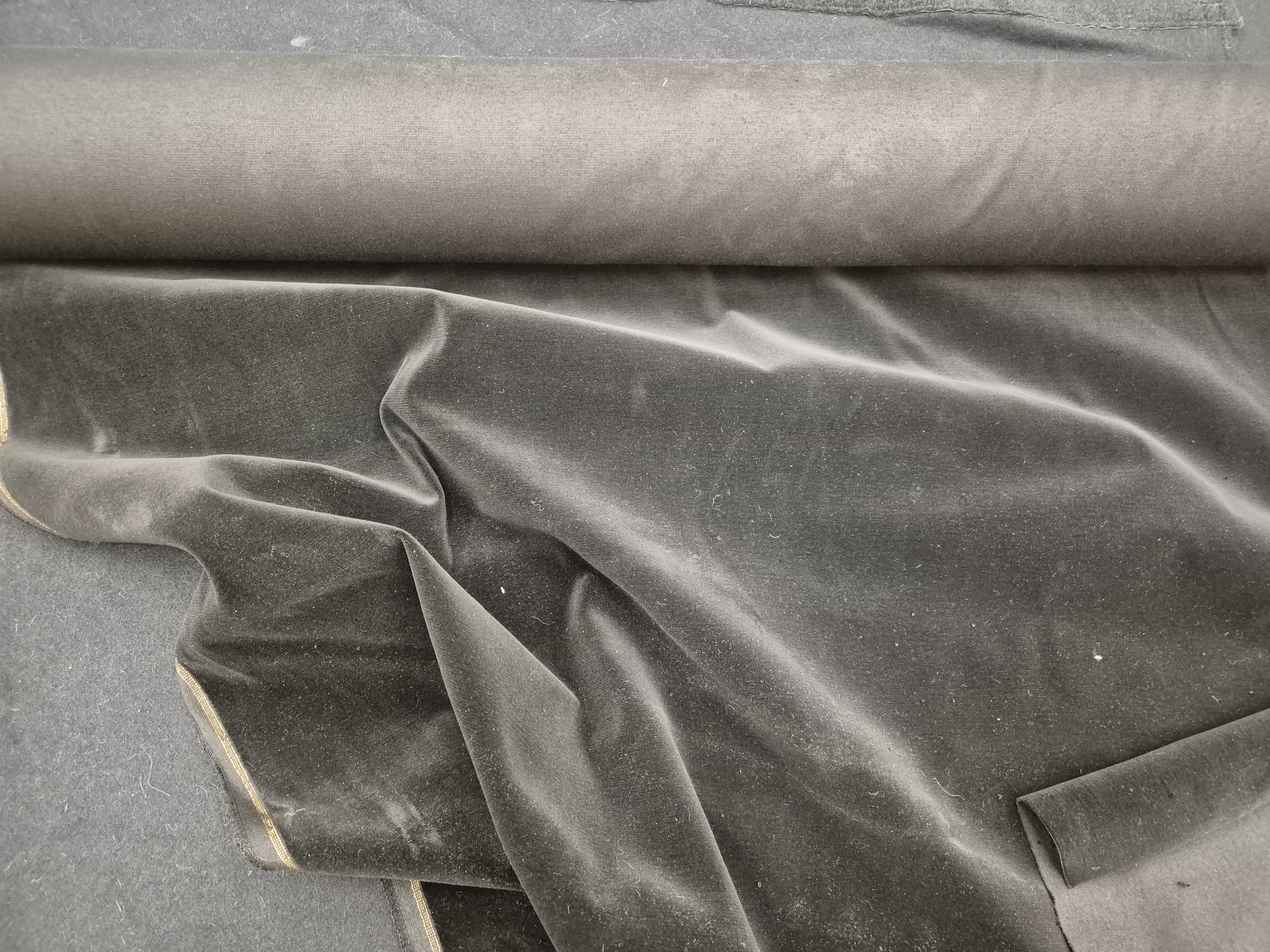
Global textile production and consumption poses a significant and growing threat to the environment, human health and the climate, and the environmental footprint of every garment must be reduced by 30–100% by 2050 if textile production is to become sustainable. Textile production is chemical-intensive, and fabrics can contain high levels of hundreds of potentially harmful chemicals from various stages of production, such as PFAS, flame retardants and dye chemicals. Several substances are either confirmed or suspected to be carcinogenic, mutagenic and/or skin allergens. Today, society is focusing heavily on promoting a transition to sustainable textile systems; part of the solution is to shift towards new, more sustainable textile materials that can be recycled and whose applications do not require high levels of, for example, flame retardants to meet fire safety requirements. To make informed choices, knowledge is needed about what textiles contain – both in terms of materials and chemicals – and the translation of this knowledge into policy. This project therefore combines regulatory toxicology with analytical chemistry with the aim of increasing knowledge about the presence and management of flame retardants in stage and auditorium textiles.
The main objectives are:
1. Filling knowledge gaps
2. Collaboration and dialogue
3. Policy and innovation