


Foivos Perakis receives SEK 28 million in research funding
The Knut and Alice Wallenberg Foundation has granted professor Foivos Perakis SEK 28 million for the project “HYDRA: HYdration-Driven Regulation of Condensate Assembly”. Over five years, the research will explore the role of water in the hidden organisation of the cell.
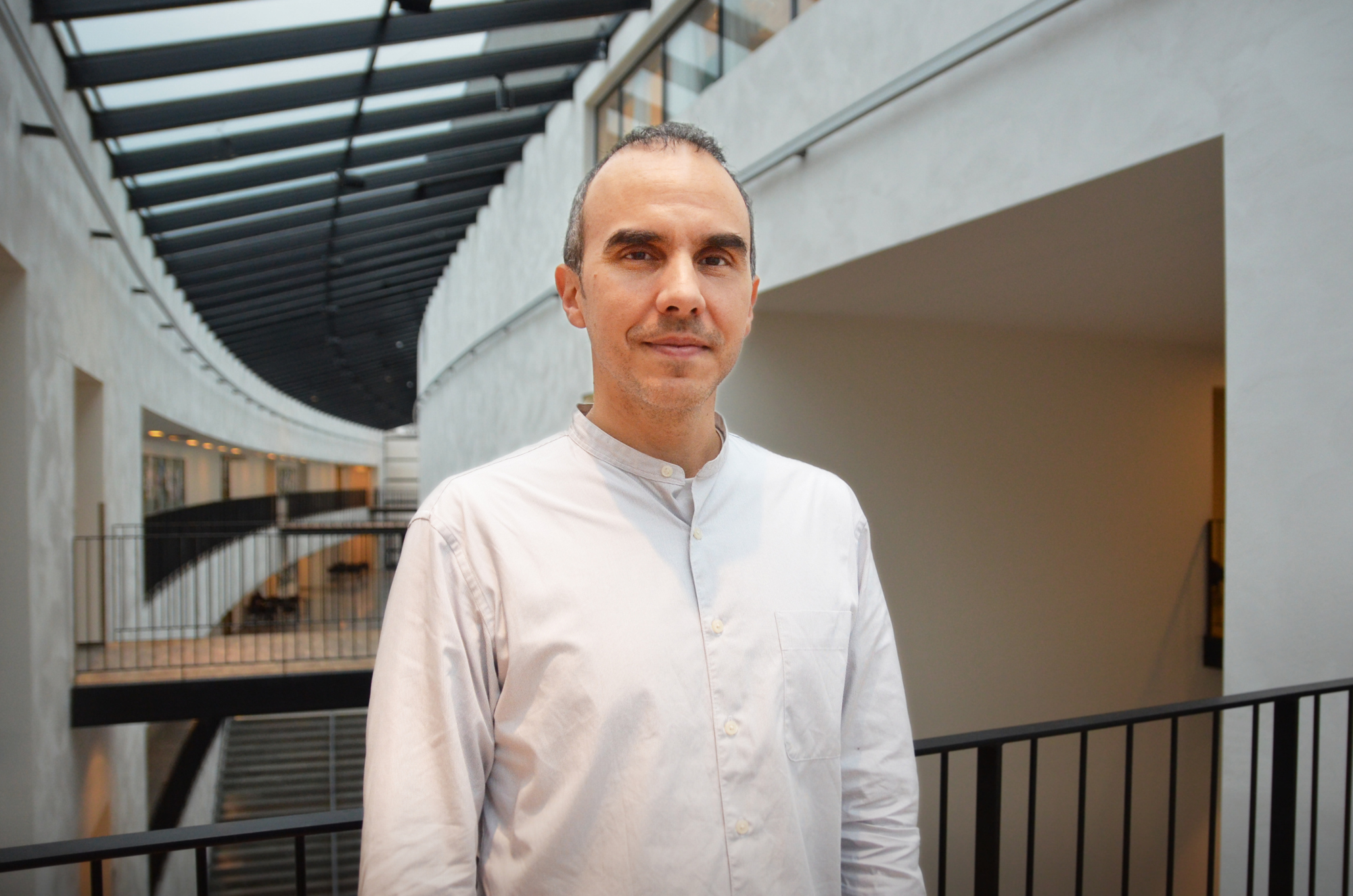
"I am delighted and grateful for this opportunity," says Foivos Perakis. Photo: Gunilla Häggström
Cells organise their inner processes in many ways. One is to gather specific molecules into dynamic structures without membranes, known as biomolecular condensates. They form through a physical process similar to how two liquids can separate from each other. Condensates are important for gene regulation, stress response and protein transport, among other things. If they form incorrectly, it can lead to neurodegenerative diseases such as Alzheimer’s and ALS.
The project will examine how water and protein sequence together control the entire process. This includes the first interactions between molecules, the liquid droplets, and the further transformation towards a gel or solid state.
“The grant allows us to address a fundamental scientific question that has remained largely unexplored: what role does water play in how proteins organize themselves inside living cells? We want to investigate whether water is not merely the environment in which biological molecules interact, but an active participant in determining how they assemble and behave,” says Foivos Perakis, Professor of Experimental Chemical Physics.
Making use of advanced research facilities
The project brings together researchers with complementary expertise and makes use of advanced research facilities such as MAX IV, ESS and the European XFEL. The aim is to establish water as a measurable factor in condensation processes, and to formulate general physical principles for how condensates form and develop.
“Our research is primarily fundamental, but the results could have important long-term implications for medicine and materials science. By understanding how water influences these processes, we hope to uncover the physical mechanisms that determine why some protein assemblies remain liquid-like while others become solid aggregates,” says Foivos Perakis.
In the longer term, this knowledge could open new ways to understand disease mechanisms and to develop biomaterials.
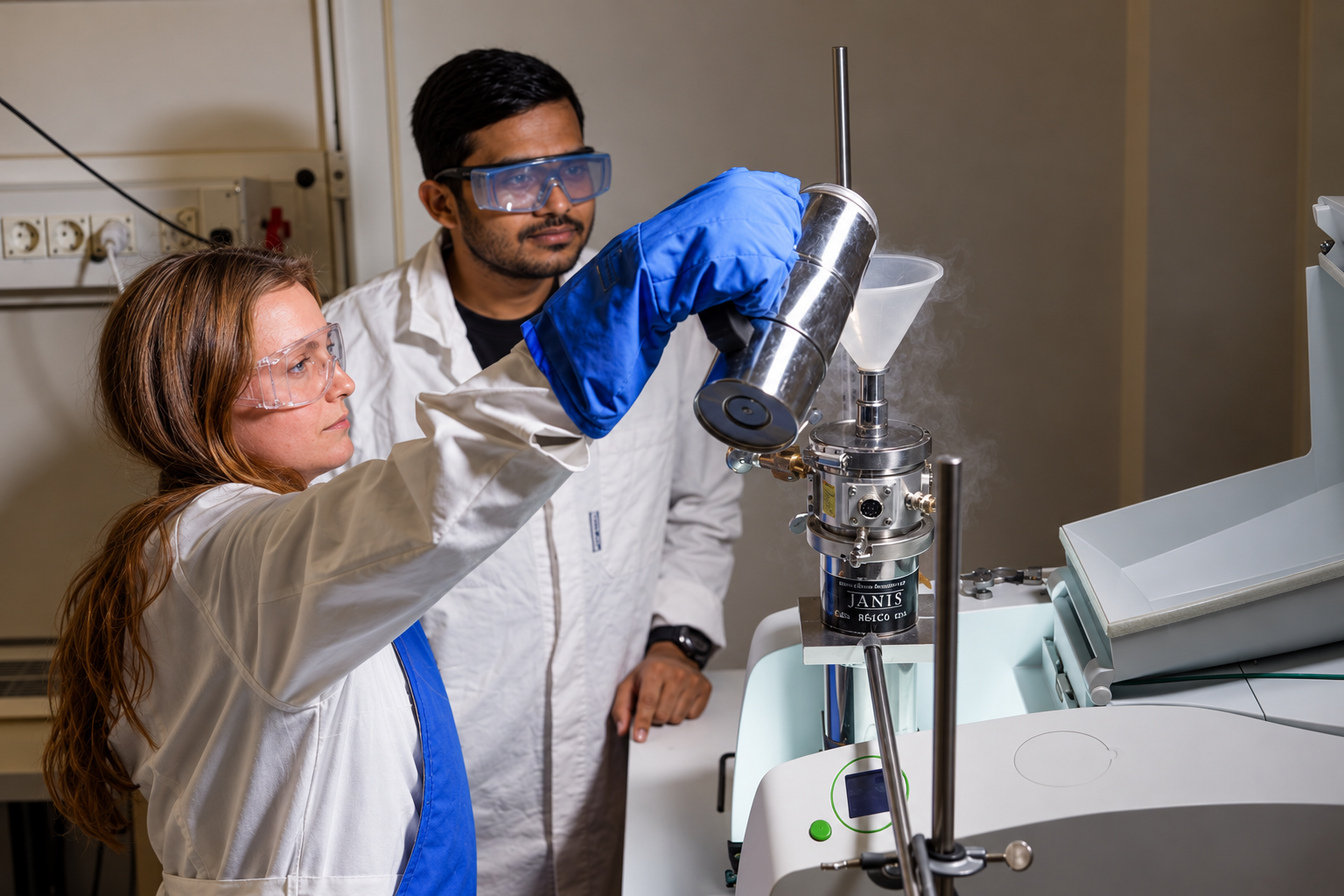
Milla Åhlfeldt (PhD student) and Sampad Bag (postdoc), both members of the research group, conducts IR spectroscopy of biological solutions at cryogenic temperatures. Photo: Magnus Bergström
Knut and Alice Wallenberg Foundation
Knut and Alice Wallenberg Foundation is awarding SEK 900 million to 30 research projects that, following evaluations by international experts, have been judged innovative and at the forefront of international research. Grants are awarded for basic research in medicine, the natural sciences, and engineering to projects considered capable of leading to future scientific breakthroughs.
Read more about the 30 project that has been awarded grants:
30 outstanding research projects awarded a total of SEK 900 million | Knut and Alice Wallenberg Foundation
Last updated: 2026-10-15
Source: Communications Office