


Optogenetics, from Nobel Prize to research tool
The 2026 Nobel Prize in Physiology or Medicine is awarded to Karl Deisseroth, Peter Hegemann and Georg Nagel for optogenetics – a method that makes it possible to show how nerve cells shape memories, feelings and behaviours in the living brain.
Optogenetics has revolutionized how we study the brain.
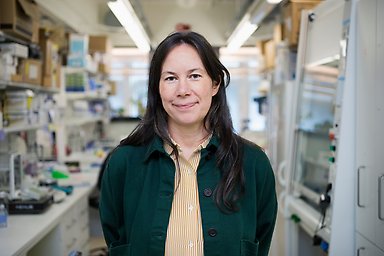
Iskra Pollak Dorocic. Photo: Jens Olof Lasthein
Iskra Pollak Dorocic, Assistant Professor at the Department of Biochemistry and Biophysics at Stockholm University and SciLifeLab Fellow, uses a combination of molecular and system neuroscience tools to visualize, record and manipulate neural populations, to understand their function and contribution to behavior. Among these tools are the now awarded optogenetics technique.
“The technique lets researchers switch specific brain cells on or off with flashes of light, with unprecedented specificity and precise timing. For the first time, we can do more than record which brain cells are active during a behavior, and instead test directly whether those specific cells cause the behavior. This has opened entirely new areas of research and given us a far more precise picture of how the brain functions and produces actions. Due to this optogenetics has become one of the most powerful and exciting tools in modern basic neuroscience research,” says Iskra Pollak Dorocic.
Last updated: 2026-10-06
Source: Communications Office