


Sol Juárez: Social inequalities cause immigrants' health to deteriorate
Immigrants arriving in Sweden often have better health than the Swedish-born population – but that advantage fades over time, and their children face an even higher risk of premature death. Newly appointed professor of public health sciences Sol Juárez has spent her career at Stockholm University investigating why – and points to structural causes rather than culture or biology.
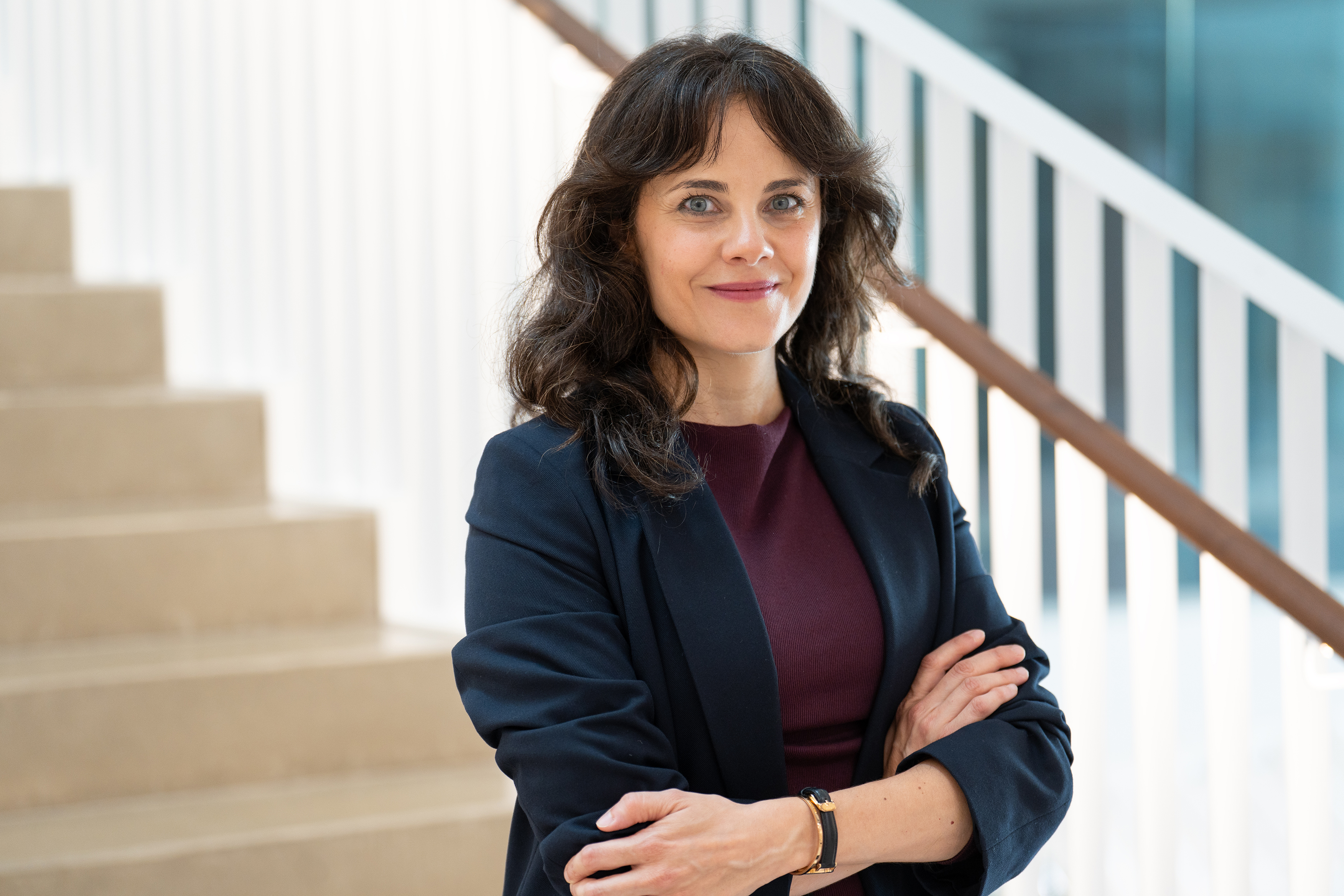
Sol Juárez at Stockholm University. Photo: Johan Lundberg
“There is a common thread running through all my work. It is a fascination with understanding how social hierarchies shape our biology, giving rise to health inequalities, and how these inequalities are reproduced over time and across generations,” says Sol Juárez, newly appointed professor of public health sciences at Stockholm University.
She is one of 43 new professors to be celebrated at the university’s inauguration ceremony in Stockholm City Hall on 25 of September.
“I grew up in Argentina, a country marked by profound social inequalities, which may explain why I chose to study Sociology, a discipline that seeks to understand how social hierarchies such as class, gender and ethnicity shape people's lives. At the same time, I am both a woman and a migrant, and these experiences have undoubtedly influenced the questions I ask as a researcher,” she says.
Worse health after settling
Via studies in Madrid and Lund she started at Stockholm University in 2014 at The Centre for Health Equity Studies (CHESS). Here she focused her research on immigrants’ health in Sweden. Her findings have challenged some of the previous understandings of the field.
“My research shows that immigrants from low- and middle-income countries arrive in Sweden with a lower risk of mortality than the Swedish-born population. However, this advantage gradually disappears with longer duration of residence and across generations. In fact, the children of immigrants have an even higher risk of premature mortality than both their parents and individuals with Swedish-born ancestors,” she says.
In addition, Juárez research shows that income becomes an increasingly important health factor over time among migrants and their descendants.
“In this group, the mortality risk gap widens over time between higher- and lower-income groups,” she says.
Taken together, these findings strongly suggest that the factors driving the increased risk among more established migrants and their children develop after settling in Sweden.
Social inequalities
Such findings may seem surprising to some people. Given the traditionally generous Swedish welfare systems and advanced healthcare systems, we don’t expect immigrants coming to Sweden to have a deteriorating health over time and generations.
Yet this is what her research shows, and Sol Juárez finds the explanation in the structure of the Swedish society rather than in the different culture of immigrant groups, which has been proposed.
“My research highlights the need to consider the role of social inequalities as the main cause of what happens to immigrants and their descendants, rather than as a consequence of origin or group-specific characteristics, usually encapsulated into relatively narrow explanations, such as those related to ‘their culture’ or ‘their biology’,” she says.
“Successful integration is not simply about initial access or inclusion, but about creating the social and economic conditions that enable good health across the life course and for future generations,” she adds.
Unfair and avoidable
Over the years, as she has been dedicated to this field, one insight has stood out, an insight that she wants to share with more people.
“I would like people to be aware that systematic differences in health between social groups (e.g., people with low versus high incomes, or migrants versus non-migrants) are unfair and avoidable. Yet they are – as our research show – historically reproduced, creating the illusion that they are inevitable, or even written into our genes,” she says.
In reality, Juárez argues, health inequalities persist because unequal social relations shape the way we think, influence our everyday interactions, and become embedded in our institutions, continually reproducing them.
“Reducing health inequalities between social groups is ultimately a shared responsibility that concerns us all,” she says.
If you could change one thing in Swedish policy tomorrow – one concrete reform – what would have the greatest impact on immigrant health?
“I would restore the right to permanent residency for immigrants. Linking residence permits to employment, especially in an increasingly precarious labour market, creates insecurity, uncertainty, and considerable psychosocial distress. It also increases immigrants' dependence on their employers, making them more vulnerable to exploitation and abuse. Ultimately, these conditions undermine both wellbeing and health,” she concludes.
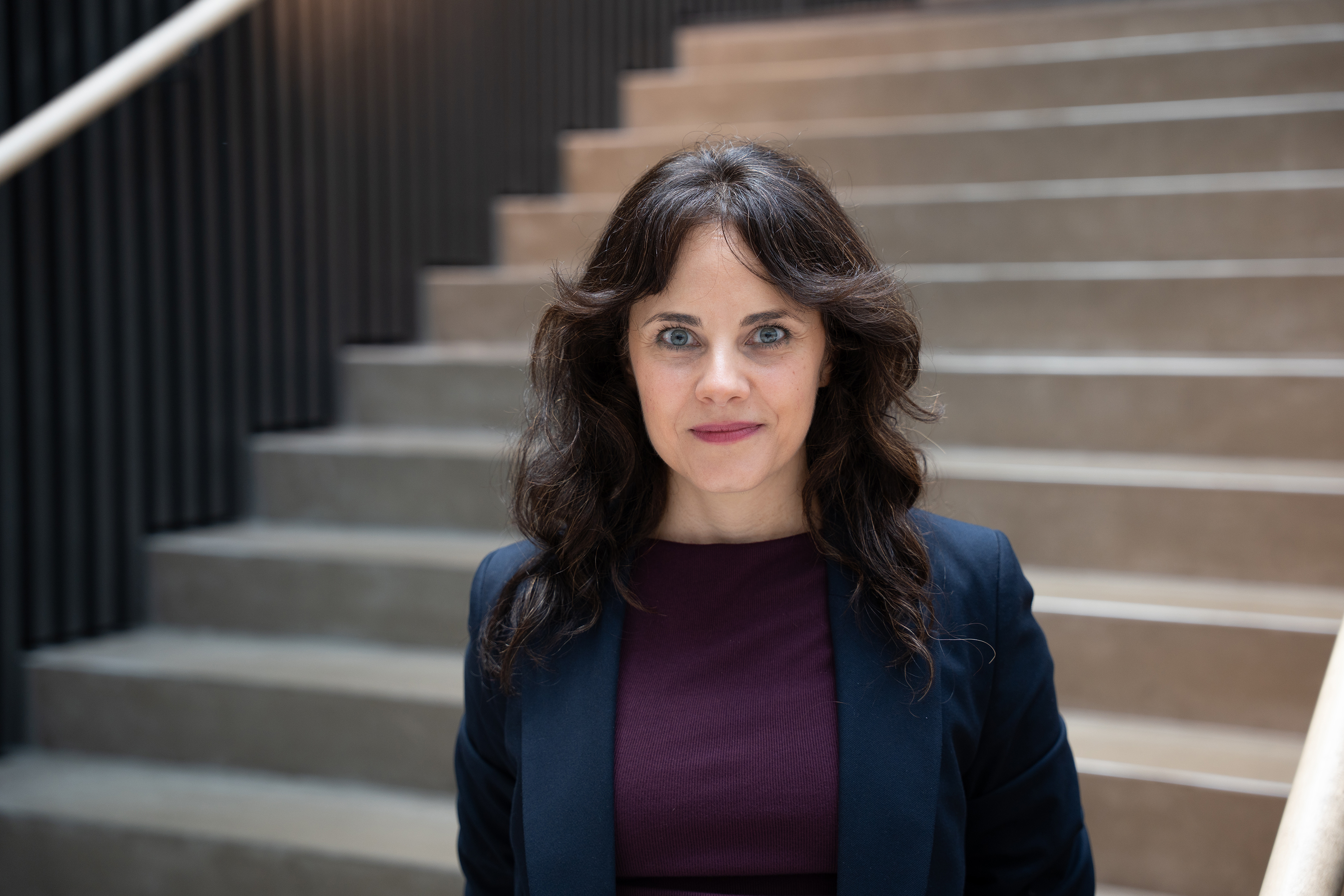
"I grew up in Argentina, a country marked by profound social inequalities, which may explain why I chose to study Sociology," says Sol Juárez. Photo: Johan Lundberg
about Sol Juárez
Position: Professor of public health sciences at the Department of Public Health Sciences. Works at the Centre for Health Equity Studies (CHESS) since 2014.
Research: See full profile at ResearchGate
Teaching: Currently teaches courses both at the advance- and PhD- levels, and also coordinates the master’s programme in Public Health Sciences.
Courses at the advanced level:
- Introduction to Public Health Sciences (7,5 credits)
- Degree in Public Health Sciences (30 credits)
- Internship in Public Health Sciences (7,5 credits)
Courses at the PhD level:
- A short introduction to Public Health Sciences (3 credits)
Interests/hobbies: Reading, swimming, and spending time with family.

Sol Juárez. Photo: Johan Lundberg
Last updated: 2026-09-09
Source: Communications Office