


Buying an empire – unique roman silver coin discovered at Vedby ringfort on Öland
A rare Roman silver coin has been found at Vedby ringfort on Öland. The find is the first of its kind outside Gotland and provides new clues about how the ringfort was used during the Migration Period.
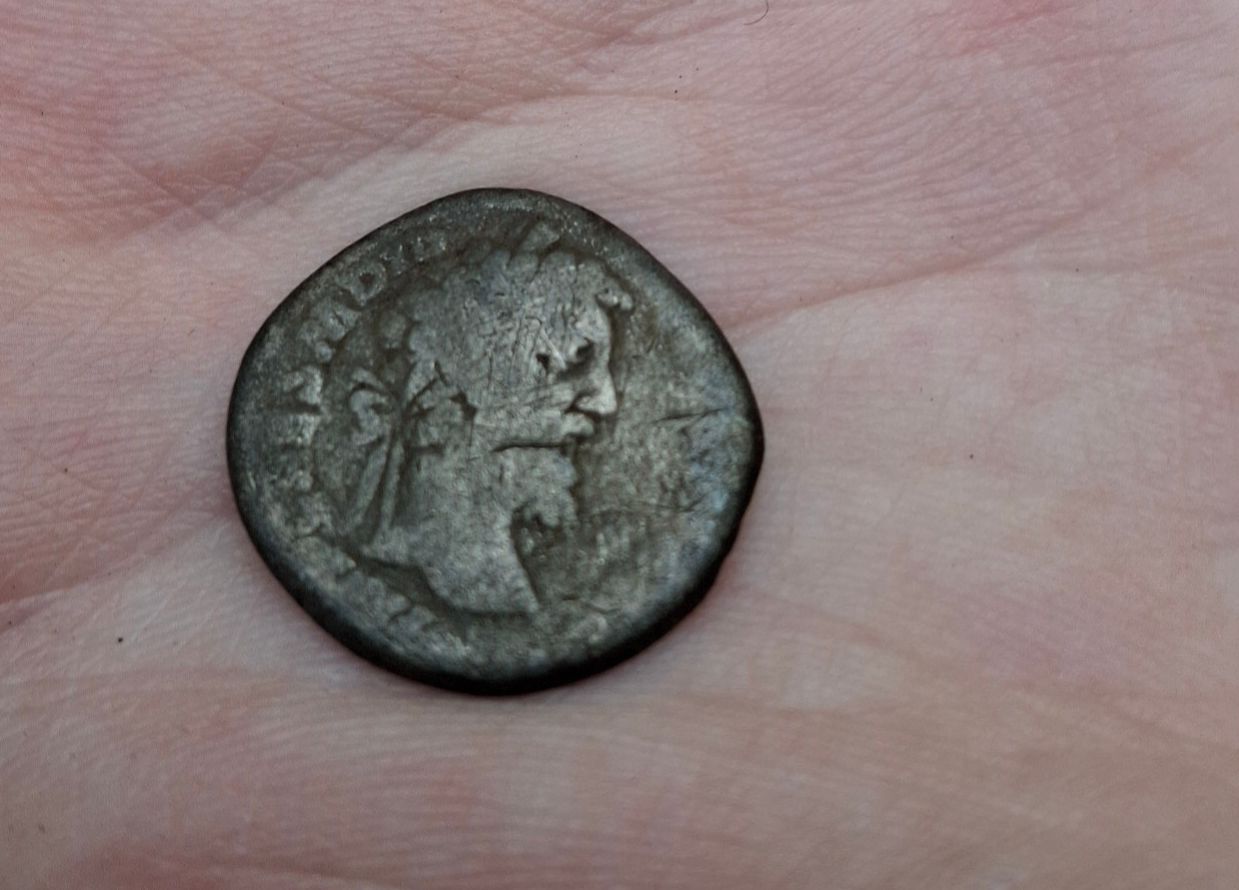
Denarius minted for Emperor Didius Julianus, AD 193. Photo: Kerstin Lidén.
A rare Roman silver coin, minted in AD 193 by Emperor Didius Julianus, the man who bought his way to the Roman throne, has been discovered at Vedby ringfort on Öland. The find is the first of its kind in Sweden outside Gotland and provides new insights into the use of the fort during the Migration Period.
During this spring’s archaeological investigations at Vedby ringfort on Öland, carried out as part of the project Crisis, Conflict and Climate, a remarkable discovery was made: a Roman silver coin of the denarius type.
The coin was found through systematic metal detecting of the fort and its surroundings, carried out by the volunteer Niclas Olsson. Numismatists Lennart Lind and Slava Kuleshov have identified the coin as having been minted during the short reign of Emperor Marcus Didius Julianus.
Didius Julianus was one of five emperors during the turbulent year of AD 193 in the Roman Empire. He came to power by bribing Roman soldiers, promising each of them 23,000 sesterces—equivalent to around ten years’ pay. To fulfill these promises, large quantities of silver coins had to be minted. However, after just 66 days he was overthrown and executed. His successor, Septimius Severus, subsequently had most of Julianus’s coins melted down, making surviving examples rare today.
The discovery at Vedby ringfort is therefore particularly significant. In Sweden, only five denarii of Didius Julianus have previously been found, all on Gotland. This is therefore the first find on Öland and the first outside Gotland.
Denarii from this period are believed to have been deposited in the Baltic region during the Migration Period, c. AD 400 to 550. The find contributes to our understanding of the use of the fort and suggests activity during this period. Additional support comes from other finds at the site, including a cloak fastener, or agraffe button, which can also be dated to the Migration Period.
The project Crisis, Conflict and Climate examines how societies handled crises in the past. The discovery highlights a period of political instability in the Roman Empire, with parallels to our own time: a time when an empire could be bought by a wealthy senator.
Contact:
Project Leader: Professor Kerstin Lidén, +46 73 037 8173, kerstin.liden@arklab.su.se
Field Directors: Sven Isaksson, sven.isaksson@arklab.su.se, Ludvig Papmehl-Dufay ludvig.papmehl-dufay@lnu.se
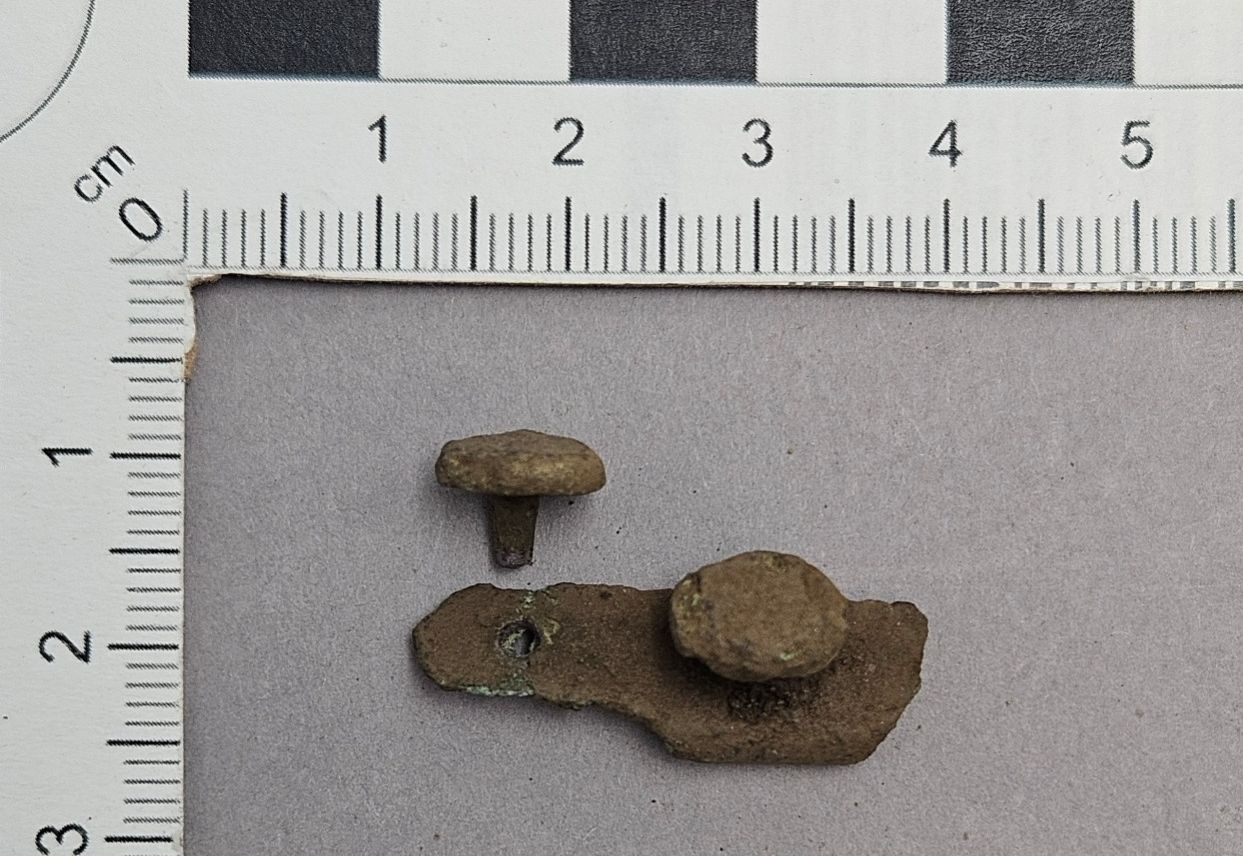
Cloak fastener (agraffe button) dated to the Migration Period. Photo: Sven Isaksson.
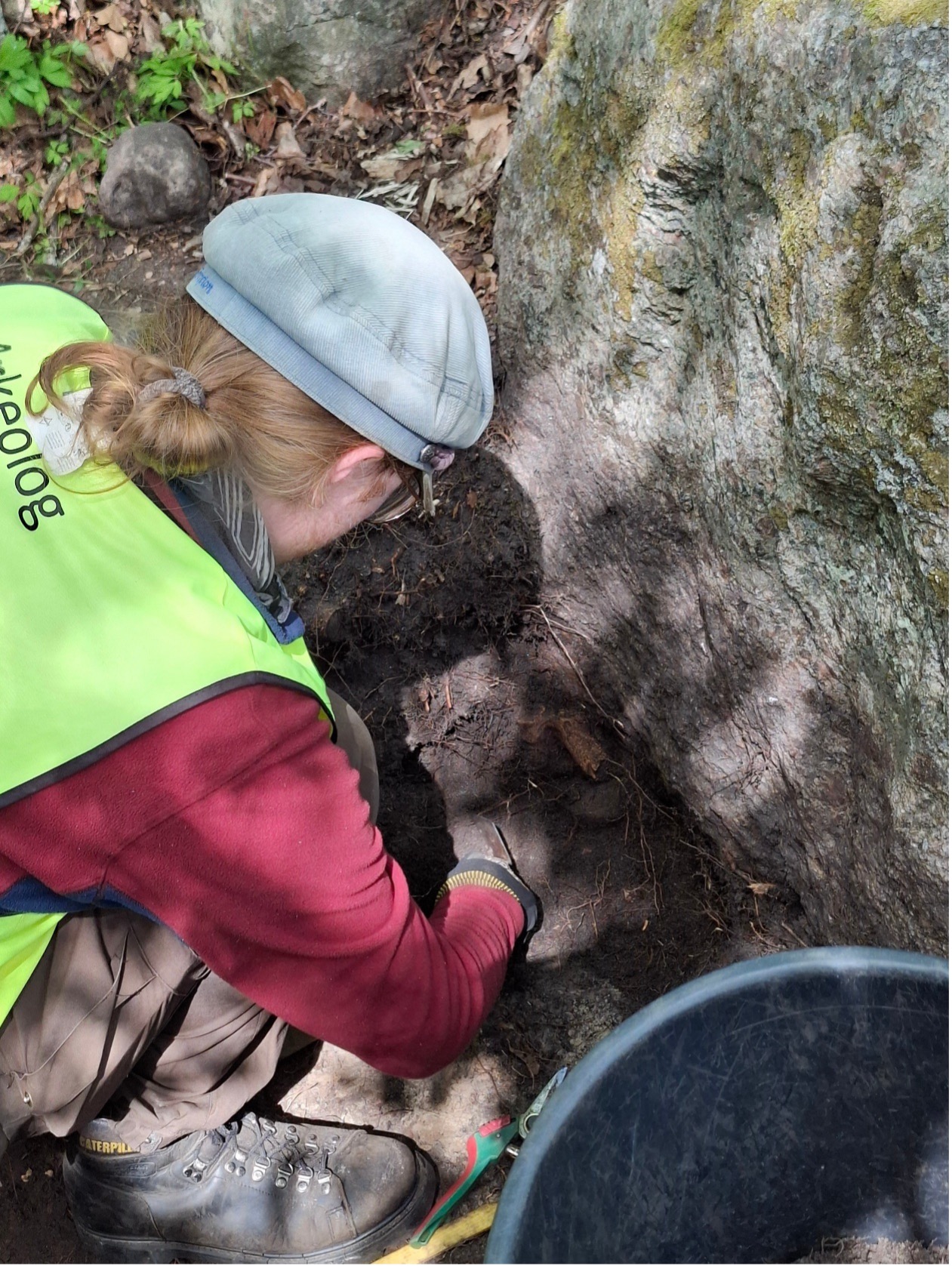
Student participating in excavations at Vedby ringfort, Öland. Photo: Kerstin Lidén
Last updated: 2026-07-02
Source: Communications Office