


When it gets too hot to eat: Climate change is limiting reindeer grazing in the mountains
Increasingly warm summers in the Scandinavian mountains are causing reindeer to lose critical grazing time. That is the finding of a new study from Stockholm University, which suggests the changes could affect both reindeer health and mountain ecosystems.
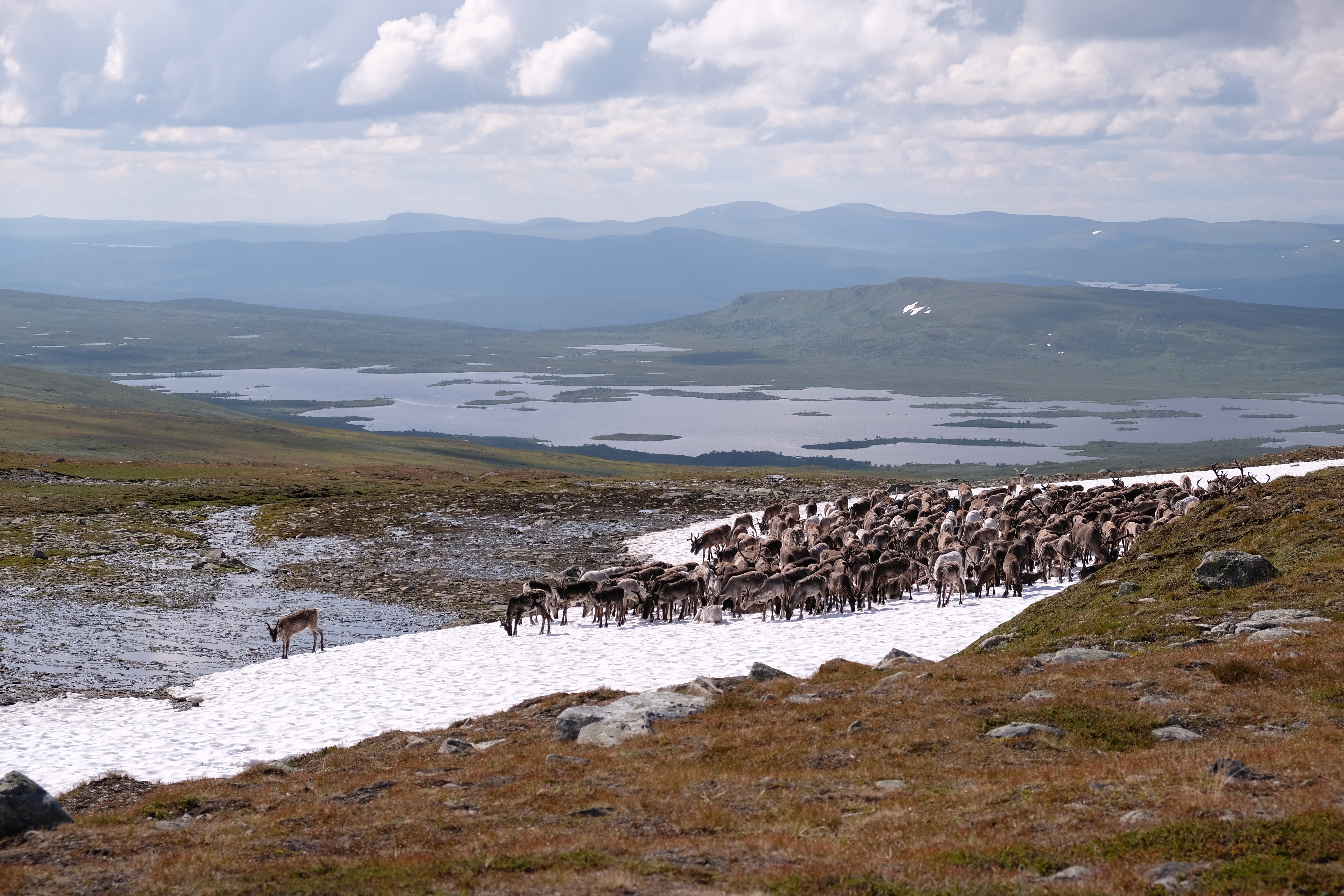
Reindeer are affected by higher temperatures in Scandinavian mountain environments.
Climate change has made temperatures that were unusual in the Swedish mountains thirty years ago more frequent and longer-lasting.
To find out how this affects reindeer behavior, researchers equipped 31 reindeer with bio-loggers over two summers, in collaboration with three Sami communities in northern Sweden. The reindeer wore collars fitted with an accelerometer, a thermometer, and a GPS unit, making it possible to track their movement patterns and grazing behavior in detail as they roamed freely in the mountains.
Heat disrupts grazing
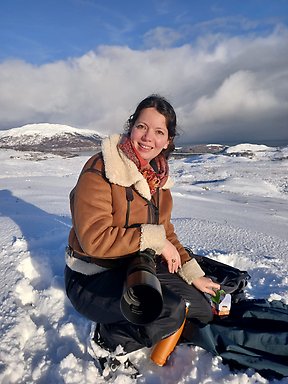
Marianne Stoessel, doctoral researcher at Stockholms university. Photo: M Parsons
The results, published in Ecography, revealed clear differences in reindeer behavior between cooler and warmer days. During periods when daytime temperatures were 13 degrees Celsius or higher — which occurred on more than half of the days across the two summers — the reindeer grazed for shorter periods and moved toward cooler areas.
The thermometers on the reindeer recorded temperatures up to 32 degrees Celsius, which is uncommonly high for the Scandinavian mountains. Under such warm conditions, the study found evidence of physiological heat stress, a phenomenon rarely documented in the tundra.
"When summers get warmer in the Scandinavian mountains, reindeer lose valuable grazing time, because they either rest more or move to cooler, less nutritious habitats when it is hot. This is concerning for reindeer health, as no compensatory grazing occurs at other times," says Marianne Stoessel, lead author of the study and doctoral researcher at Stockholm University.
Risk of ecosystem impact
If reindeer cannot find shelter from the heat in equally nutritious grazing areas, their physical condition risks deteriorating — something that becomes particularly serious if warm summers are followed by harsh winters, when energy reserves are crucial for survival.
The findings are important for the reindeer herding industry, but also for mountain ecosystems more broadly. Reindeer grazing plays a key role in maintaining plant diversity in the mountains.
"The study is a clear indication that climate change can weaken grazing pressure — which is essential in mountain ecosystems. Although we do not yet know the full ecosystem consequences, our results highlight a mechanism through which warming can disrupt ecosystem functions, even in cold environments," says Regina Lindborg, professor and co-author of the study and principal supervisor of this doctoral project.
The study is part of a larger research project on how climate and land-use changes affect reindeer grazing lands in northern Sweden. Marianne Stoessel is now completing her doctoral project and will defend her thesis at a public dissertation at Stockholm University in late April 2026.
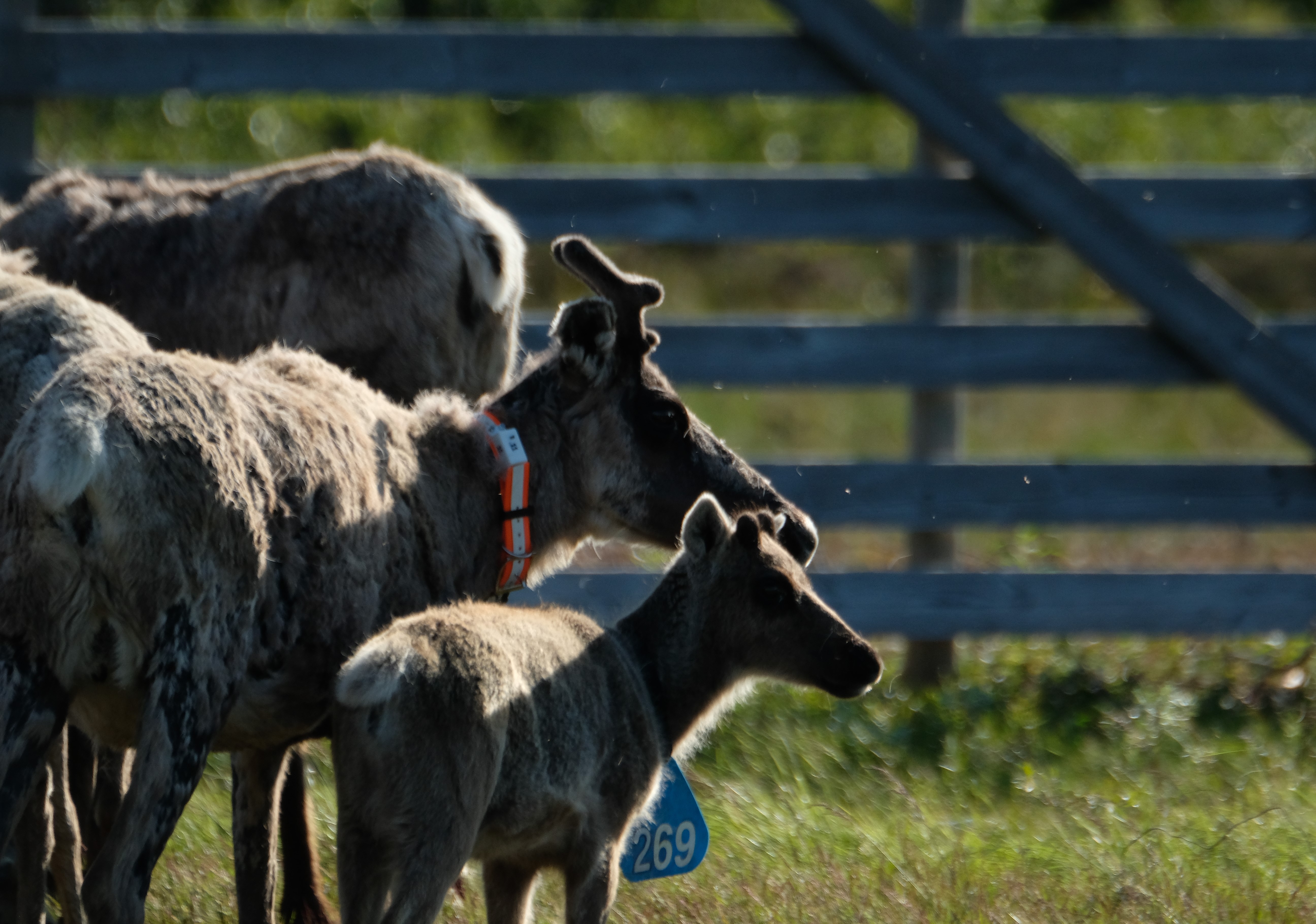
The reindeer in the study wore collars fitted with an accelerometer, a thermometer, and a GPS unit.
Last updated: 2026-04-24
Source: Communications Office