


The ten most popular research articles on su.se
The breadth of the university’s research is evident when listing the articles that attracted the highest number of readers in 2025. A majority of these articles were written in 2025, but some texts – for example about botulinum toxin and PFAS – still attract interest despite being published in 2022.
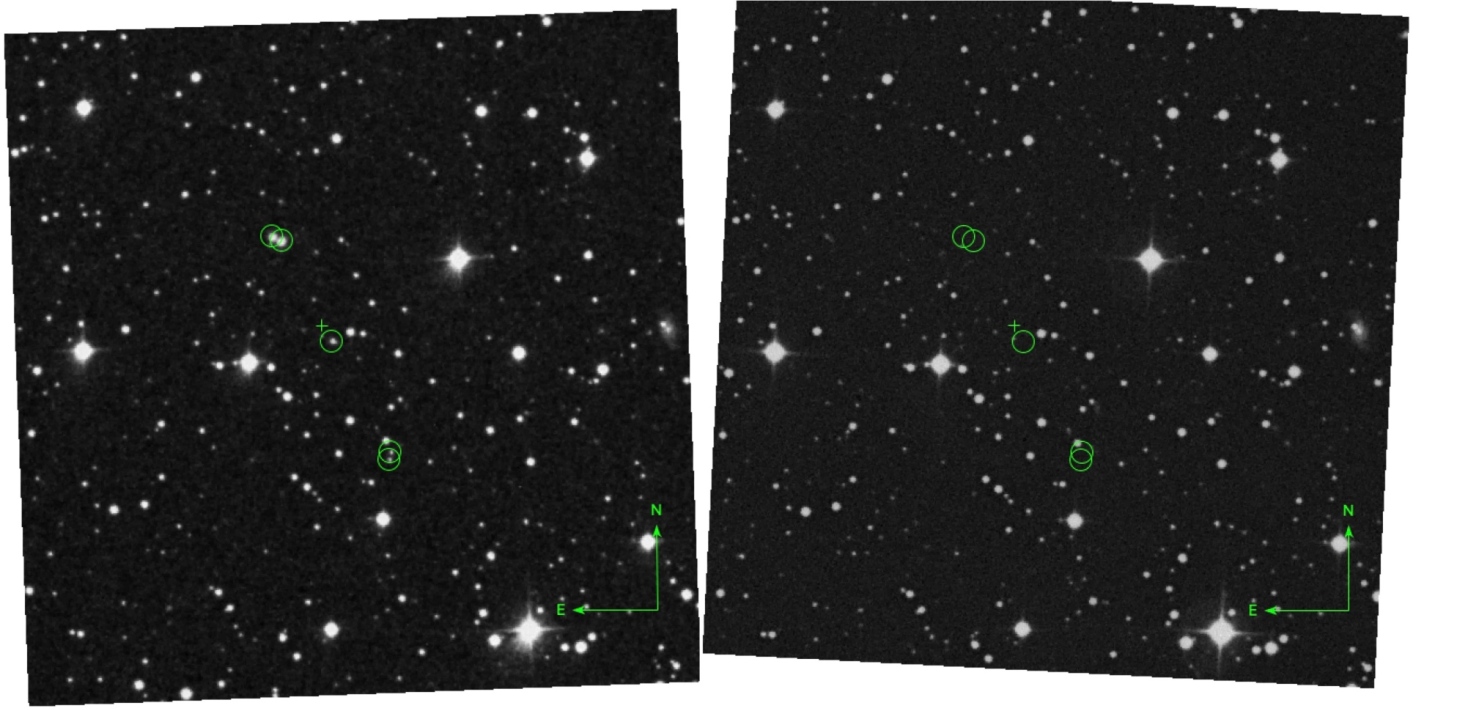
- Unexpected patterns in historical astronomical observations
Researchers at Nordita have analyzed flashes of light on astronomical plates from the early 1950s and found statistical connections between the times of these flashes, nuclear weapons tests and reports of unidentified anomalous phenomena (UAP).
Unexpected patterns in historical astronomical - Lignin paves the way for a fossil-free society
Lignin is the substance that gives plants strength and resilience. Properties that make lignin a promising replacement for materials produced from oil and coal.
Lignin paves the way for a fossil-free society - The world’s most dangerous poison may be a valuable pharmaceutical
Pål Stenmark regards botulinum toxin – the world’s most dangerous poison – as a set of building blocks he can redesign and give new functions. One aim is to produce new and more effective pharmaceuticals, including pain treatments.
The world’s most dangerous poison may be a valuable pharmaceutical - DNA researchers trace the origin of the Picts in Scotland
A new international archaeogenetic study shows that the Picts, who lived in Scotland during the early Middle Ages, were a heterogeneous group with local genetic roots.
DNA researchers trace the origin of the Picts in Scotland - New research on ALS opens up for early treatment
Using the gene scissors CRISPR and stem cells, researchers have managed to identify a common denominator for different gene mutations that all cause the neurological disease ALS.
New research on ALS opens up for early treatment - It’s raining PFAS: even in Antarctica and on the Tibetan plateau rainwater is unsafe to drink
Per- and polyfluoroalkyl substances (PFAS) are man-made hazardous chemicals that are spread globally in the atmosphere and as a result they can be found in the rainwater and snow in even the most remote locations on Earth.
It’s raining PFAS: even in Antarctica and on the Tibetan plateau rainwater is unsafe to drink - Old aerial photos provide a new outlook on 20th century history
Aerial photos from 60 countries across the developing world are now becoming a gold mine for researchers in various fields. This is thanks to a research project in which a large and previously inaccessible archive is digitised and made freely available.
Old aerial photos provide a new outlook on 20th century history - The ship Vasa’s little sister Falken found
Researchers have identified a shipwreck off Porkkala in the Gulf of Finland as the warship Falken. The ship played a central role in the Swedish navy – both in combat and for transporting high-ranking people.
The ship Vasa’s little sister Falken found - Measure your relationship with a scientific self-test
Answer seven questions and get an indication of how your relationship is right now. Just in time for Valentine’s Day, researchers at Stockholm University published a new study in the journal Cognitive Behaviour Therapy.
Measure your relationship with a scientific self-test - Sustainable fashion – can we dress well without harming the planet?
Fast fashion companies pump out millions of garments daily, often at low prices, but at a high cost to both the environment and workers’ rights. According to Malin Wennberg, a researcher on sustainable fashion, it is possible to stay stylish without compromising our planet – but with nuance.
Sustainable fashion – can we dress well without harming the planet?
Last updated: 2026-01-14
Source: Communications Office