


Mineral resources and the green energy transition, Introductory course
This course focusses on the role of mineral resources in the transition to sustainable, green energy. After an introduction into the geological formation of mineral resources and the mineral resources of Sweden the course investigates the increased demand for mineral resources that are needed for transition away from fossil carbon-based energy systems towards renewable energy.
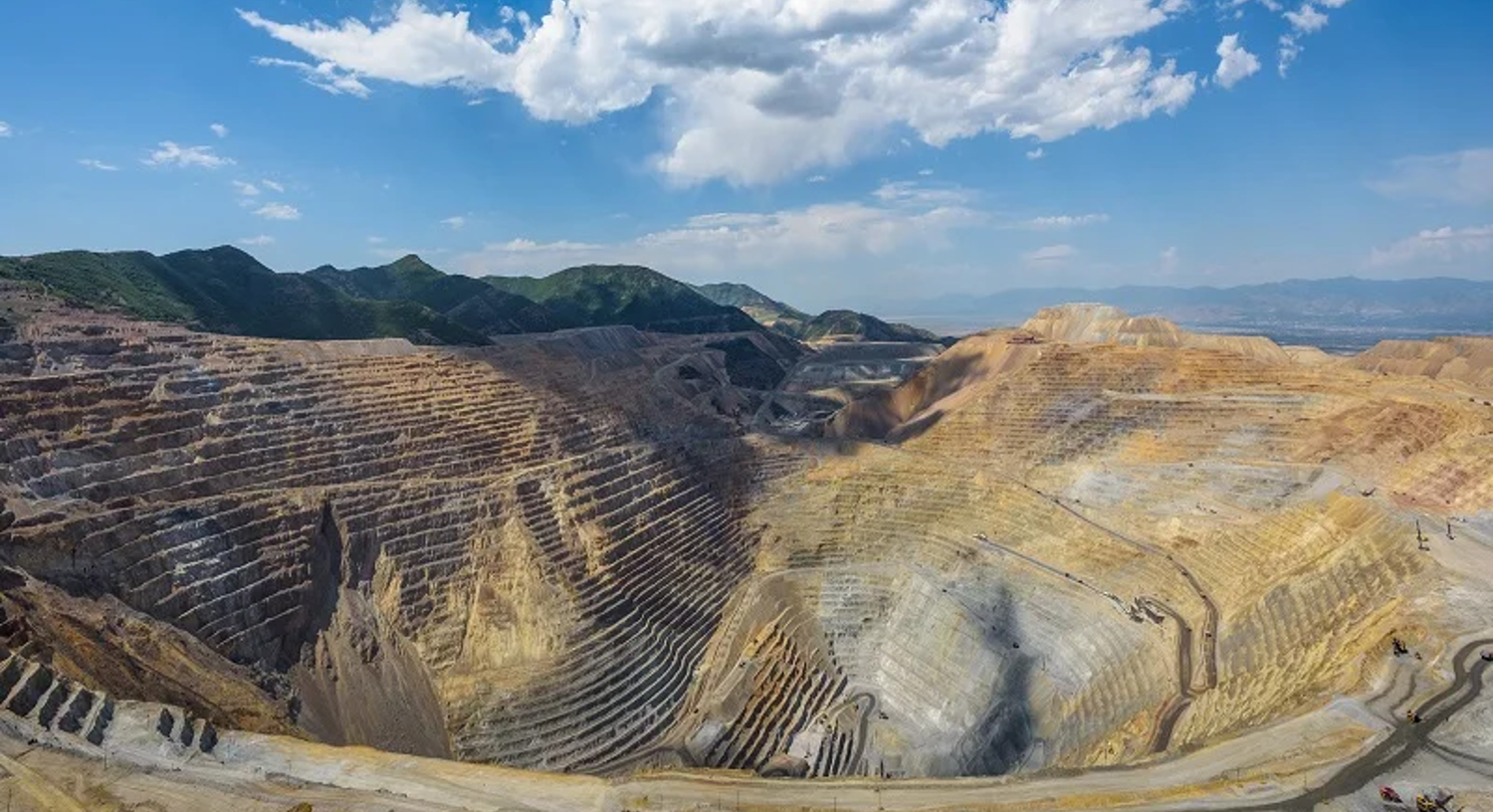
The course discusses the critical raw materials, what makes these materials critical and the interplay between impending climate change at the global scale and the environmental impacts of mining at the local scale. The course focuses on specific critical raw material case studies including the battery metals including lithium and cobalt, and the rare earth elements. The aim is to provide a holistic evaluation of the role of mining in the transition to green energy.
The course will be run in the as a distance course with online lectures (some given live) and some live discussion seminars. There will be 10 lectures, 5 seminars and a project and the main schedule includes one lecture or seminar per week with related reading. The project will be the main assessment and this will take the form of a report. Completion of 10 online quizzes and attendance of all seminars are required for completion of the course.
Lectures
There are ten different lectures which cover an introduction to mineral deposits, the concept of critical raw materials, environmental impacts of mining and key commodities such as battery metals Li and Co, copper and the rare earth elements. The lecture topics are:
- What are mineral deposits?
- Mineral deposits of Sweden
- Critical metals and modern technology
- Mining methods and related environmental impacts
- Global mineral reserves and the role of recycling in the green energy transition
- Battery metals and battery technology
- Critical metal case studies – Lithium
- Critical metal case studies – Cobalt and the battery metals
- Critical metal case studies – Copper
- Critical metal case studies – REEs
Online quizzes
Each of the tio lectures will have a related online quiz that must be completed and submitted. The quizzes are not assessed but must be completed before the project part of the course can be started.
Discussion seminars
There will be five discussion seminars, three which discuss key aspects of the course and two which discuss the project. It is mandatory that all seminars are attended and also that students have read the literature in order to allow informed discussion of the topic.
The seminars are:
- The transition to green energy and the need for mineral resources
- Should Sweden be opening new mines
- Project preparation 1
- The role of mining in the green energy transition
- Project preparation 2
Assessment
The course will be assessed through a project where students will be presented with a choice of topics ranging from specific mineral deposits (e.g. Norra Kärr REE deposit, the Alum Shale, Sweden) to styles of mineral resource (e.g. seafloor mining). The project will consist of the following components to be handed in:
- Choice of topic and list of relevant literature.
- Report of the suggested project framework from ChatGPT.
- Literature review of one of the chosen papers.
- A max 3-page report discussing the chosen topic.
- A 3-minute video presentation describing the project. This should be recorded in the style of explaining the project to a friend or on social media.
The use of ChatGPT and other generative AI tools
These can be used as a supplementary support to help with your projects but cannot be used as a replacement for your work. You must read the literature that you cite in your projects. The rules for using generative AI tools in this course are as follows:
- Generative AI tools may be used to suggest a framework for your project (hand-in 2).
- Generative AI can be used to review the text your write and suggest improvements.
- Any use of generative AI must be fully disclosed in the report references.
- In any case where the literature review (hand in 3) or the 3-page report (hand in 4) is suspected to have been developed fully by a generative AI tool this will be considered as cheating and disciplinary steps will be taken with the SU for plagiarism.
I will be choosing at random a proportion of students on the course for an oral examination of the literature cited. This means you will be expected to demonstrate that you have read and understand the literature cited.
*If the PDF file is not accessible for you to read, kindly contact studies@geo.su.se
The course book is Kesler and Simon: Mineral Resources, economics and the environment
Cambridge University Press. 2nd Edition. The course schedule indicates which chapters need to be read by when.
It is expected that around 10–15 research articles will also be read, either as part of the course work or related to the project.
Course evaluations allow the possibility to affect and take responsibility for your own learning and gives important information for our work with pedagogical development.
It's important that all students complete the course evaluations after each course, it gives the Department the opportunity to improve the courses' quality.
The course evaluation is composed of a number of questions and specific questions for each course. If you, as a student, want to contribute with more course specific questions you may send them to studies@geo.su.se.
If you haven't received the course evaluation for your finished course, or if you have other questions regarding course evaluations at IGV please contact studies@geo.su.se.
Course evaluation = student's review of the course
Course report = course leader's reflections about the review
*If the PDF files are not accessible for you to read, kindly contact studies@geo.su.se
Student counsellor
elisabeth.dacker@geo.su.se
08-674 78 70


