


The Archaeology of Disaster
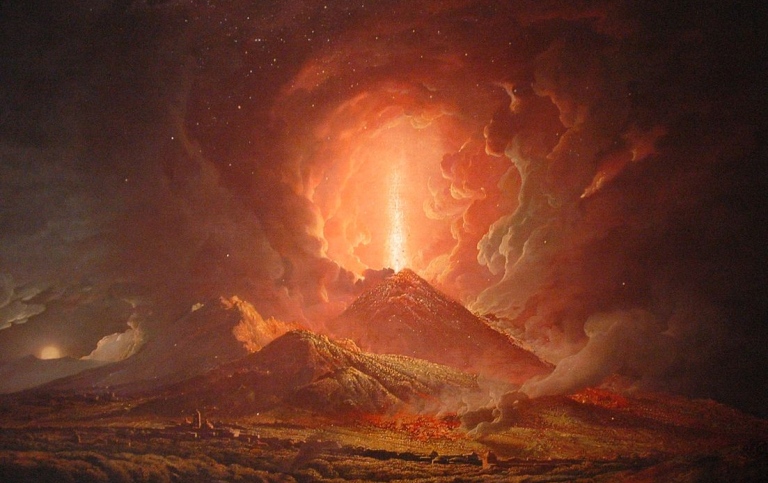
Joseph Wright, Eruption of Vesuvius 1771 seen from Portici. Credit: wikimedia commons. Fil:Joseph Wright of Derby - Vesuvius from Portici.jpg – Wikipedia
In the course on Disaster Archaeology, you will gain insight into this fascinating field of research, focusing on prehistoric, historical, and modern disasters. Learn about the analytical methods used to understand vulnerability, risk, and resilience. Discuss how societies have adapted and developed strategies to manage disasters from the Stone Age to today, and what lessons we can learn for the future. This course offers a global perspective on humanity's struggle and adaptation in the face of disasters.
With this course, you will gain foundational knowledge of disaster archaeology and the interdisciplinary methods used to analyze material remains. You will learn to critically review published works in the field and discuss human responses to disasters. The focus is on studying archaeological remains, material culture, human remains, animal bones, and written source material to address these questions.
Lectures take place on Wednesday evenings from 6-8 PM during the spring term in the Wallenberg Laboratory.
The teaching consists of mandatory lectures and practical exercises.
The course is assessed through written assignments and a take-home exam.


