


Harvesting microorganisms to secure water safety: Dr. Joeselle Serrana’s Pursuit of Sustainable Wate
Dr Joeselle Serrana, a postdoc at Stockholm University and the SUCCeSS project, is investigating how microorganisms can purify polluted water in European rivers. By combining chemical analysis, biogeochemistry and molecular biology, he aims to increase the understanding of natural purification processes and contribute to safer, more sustainable water reuse.
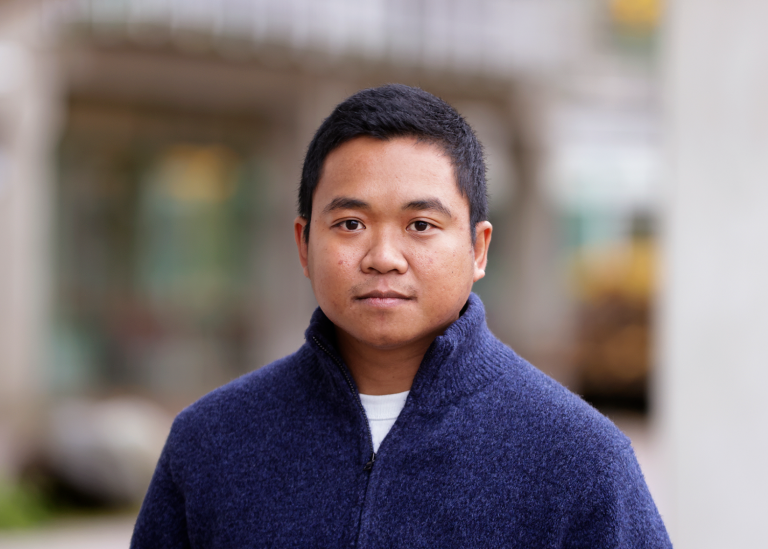
Joeselle Serrana. Photo: Private.
What is your project about?
”Exploring and harnessing the natural ability of microorganisms to break down environmental contaminants is crucial for achieving safer and more sustainable water reuse.”
”In our SUCCeSS project, we’re investigating how microbial community structure and function interact with contaminant properties, background carbon and nitrogen levels, and changing environmental conditions. In particular, we focus on understanding how microbial degradation processes contribute to the natural purification capacities of European Rivers through an interdisciplinary approach.”
What is exciting about this project?
”In our interdisciplinary team, I have the rewarding role of bridging expertise across chemical analysis, biogeochemistry, and molecular biology, connecting researchers from three institutes at Stockholm University to pursue one common goal, which is advancing safe and sustainable water reuse.”
What were the expectations before starting and how did it evolve during the last year of ongoing work?
”Before starting the project, I anticipated lots of fieldwork and environmental sample analysis for microbial profiling and chemical analysis. However, there are still relevant questions that need answering regarding the integration of microbial and chemical data analytics. Early in the project, we concentrated on developing or modifying standard methods for a more environmentally relevant approach. A year into the project, I have become proficient in navigating these interdisciplinary concepts and tools, enabling us to effectively integrate them to reach our project goals.”
What are the challenges when you are responsible for an interdisciplinary project?
”As the postdoc of the project, I’ve found it challenging but highly rewarding to bridge the diverse specializations of my three PIs in pursuit of our shared objective. The initial training in contaminant analysis was more extensive than I anticipated, but it allowed me to deepen my knowledge and skills beyond my background in molecular ecology and microbiome research.”
What can SUCCeSS do more to improve the connection between academia and society?
”As a hub for interdisciplinary research, SUCCeSS has activities that promote and connect early career researchers and experts from various fields, and our postdoc project is a testament to that effort. I think that in addition to funding interdisciplinary projects and supporting academic presentations, additional focus on policy briefs and community-focused reports would be effective in sharing our SUCCeSS outputs with the general public and help communicate how our results impact society and how they can be translated to improve people's lives.”
Last updated: 2024-10-29
Source: SUCCeSS