
Stockholm researchers help launch space telescope hunting the hidden halos of galaxies
With ESA's adoption, ARRAKIHS now enters its final design phase ahead of a 2030 launch. Stockholm University, a core partner in the mission and headed by OKC Associate Professor Azadeh Fattahi, will contribute to the cosmological simulations that turn ARRAKIHS's observations into insights about how galaxies form and what dark matter is made of.
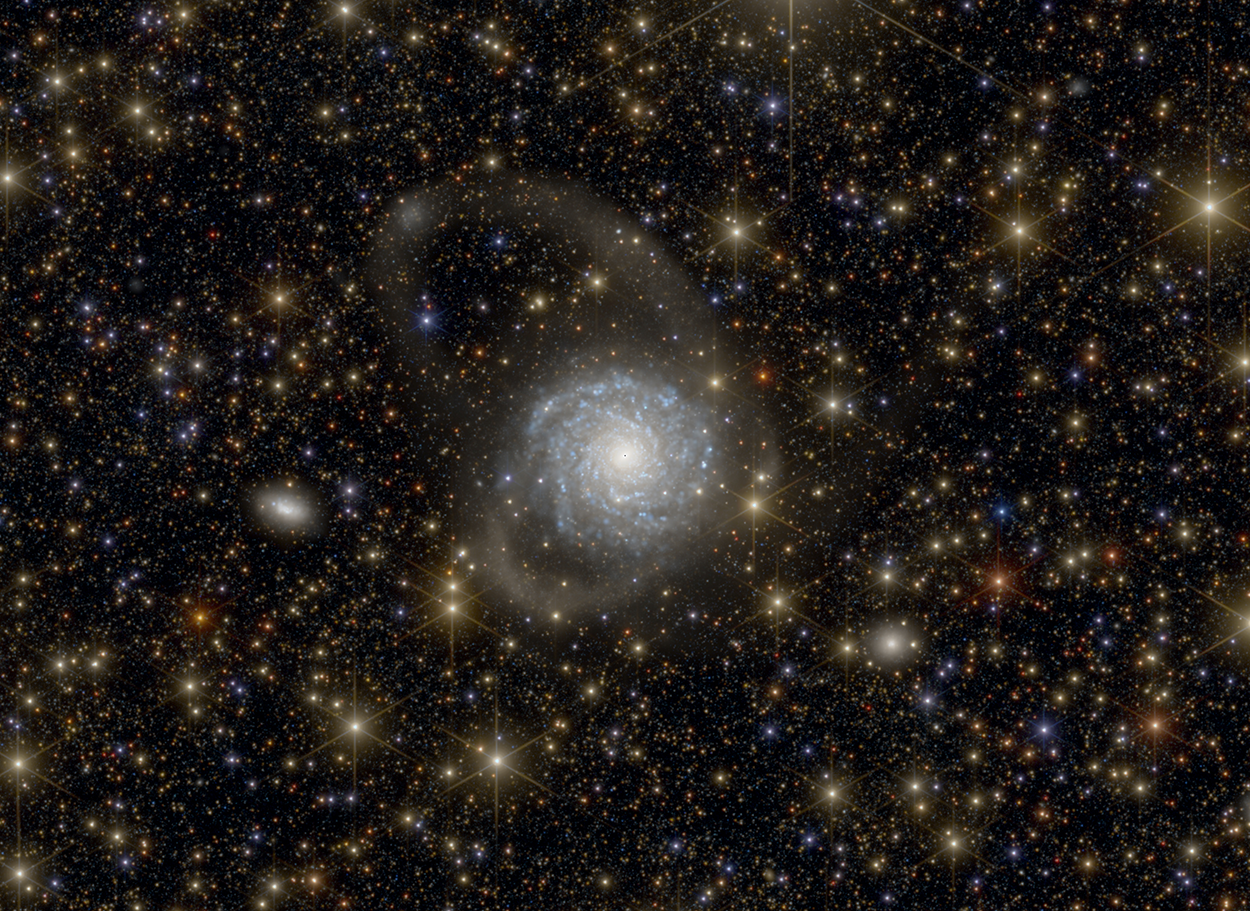
ARRAKIHS simulation of the low surface brightness features in the halo of a spiral galaxy like the Milky Way.
The mission enters its critical design phase ahead of launch in 2030
The European Space Agency (ESA) has officially adopted ARRAKIHS as the second FAST-class (F2) scientific mission, confirming the target launch date of 2030.
The decision marks the beginning of the next major phase of the mission, during which the spacecraft and its scientific instrumentation will be built, integrated and space-qualified.
ESA’s adoption follows the successful completion of the conceptual and preliminary design milestones follows the successful completion of key conceptual and preliminary design milestones, including the Preliminary Design Review (PDR) of the instrument and the delivery of the «Red Book», the definition study report describing the scientific, technical and programmatic implementation of ARRAKIHS.
Revealing the faint Universe
Selected by ESA in 2022, ARRAKIHS (Analysis of Resolved Remnants of Accreted galaxies as a Key Instrument for Halo Surveys) was conceived to provide new insights into one of the major open questions in modern astrophysics: how galaxies form and evolve within Standard Model of Cosmology.
The “low surface brightness diffuse stellar halos” around galaxies like the Milky Way preserve crucial information about how galaxies formed and evolved, revealing the combined effects of dark matter, galaxy mergers, and other processes that shape galaxies over cosmic time.
"Many of these structures are extremely faint and difficult to study systematically with existing observations", explains Rebekka Coles-Bieri (UZH), the mission's Science Coordinator.
Together with Lund University, Fattahi’s group helps lead the cosmological simulations effort within the mission's theory team — more than 30 researchers developing and analysing state-of-the-art cosmological simulations and producing the predictions and interpretations needed to make sense of what the telescope will actually see.
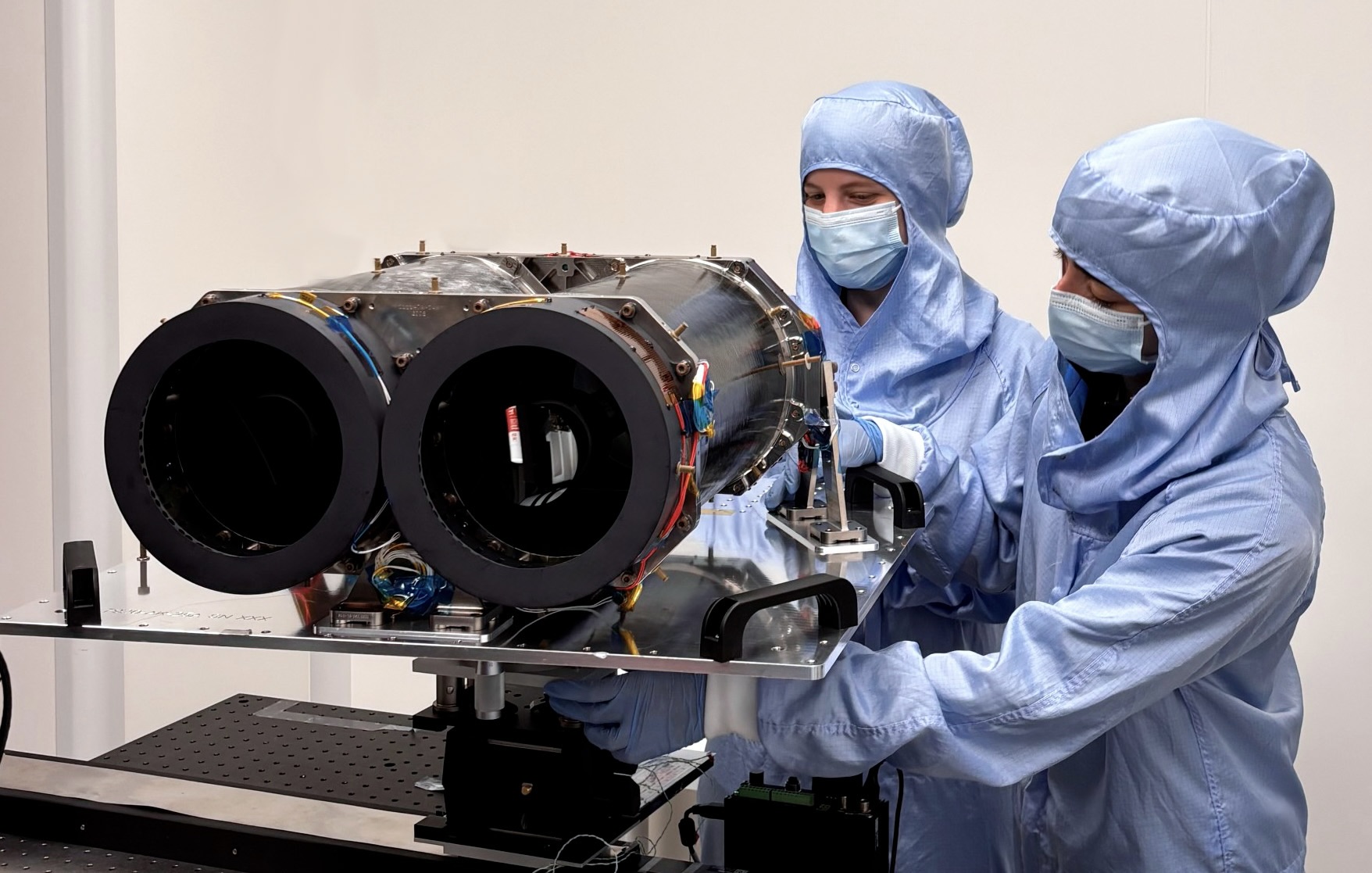
ARRAKIHS Binocular Breadboard developed by the AMC Instrument Team, with workers of Satlanits, Instrument Prime.
These simulations are then used to generate mock images of the mission's targets — Milky Way-like galaxies in the nearby universe and the faint stellar features surrounding them — and working out what those observations can reveal about galaxy formation and the nature of dark matter.
For Fattahi, who joined OKC in 2025 as a Wallenberg Academy Fellow, the past months have meant balancing the excitement of a mission heading towards adoption by ESA with the heavy workload of getting it there.
"I'm very excited — and maybe a tiny bit nervous, because there are more responsibilities coming up. We have to work hard to provide the framework for getting the best science out of the mission; you feel the weight of responsibility. So far it has meant a lot of work for the whole team against a lot of deadlines — writing a big document (the Red Book) about the science questions the telescope can address and the design of the instrumentation, which was submitted two months ago."
That intensity has been offset, she says, by the people she collaborates with regularly within the mission.
"I've really enjoyed working with the team. They're enthusiastic, supportive and understanding, and they're a big part of why I enjoy this project so much. It's a really nice working environment."
ARRAKIHS will thus open a new observational window onto the largely unexplored low surface brightness Universe, enabling the study of previously hidden stellar components of the galaxy haloes.
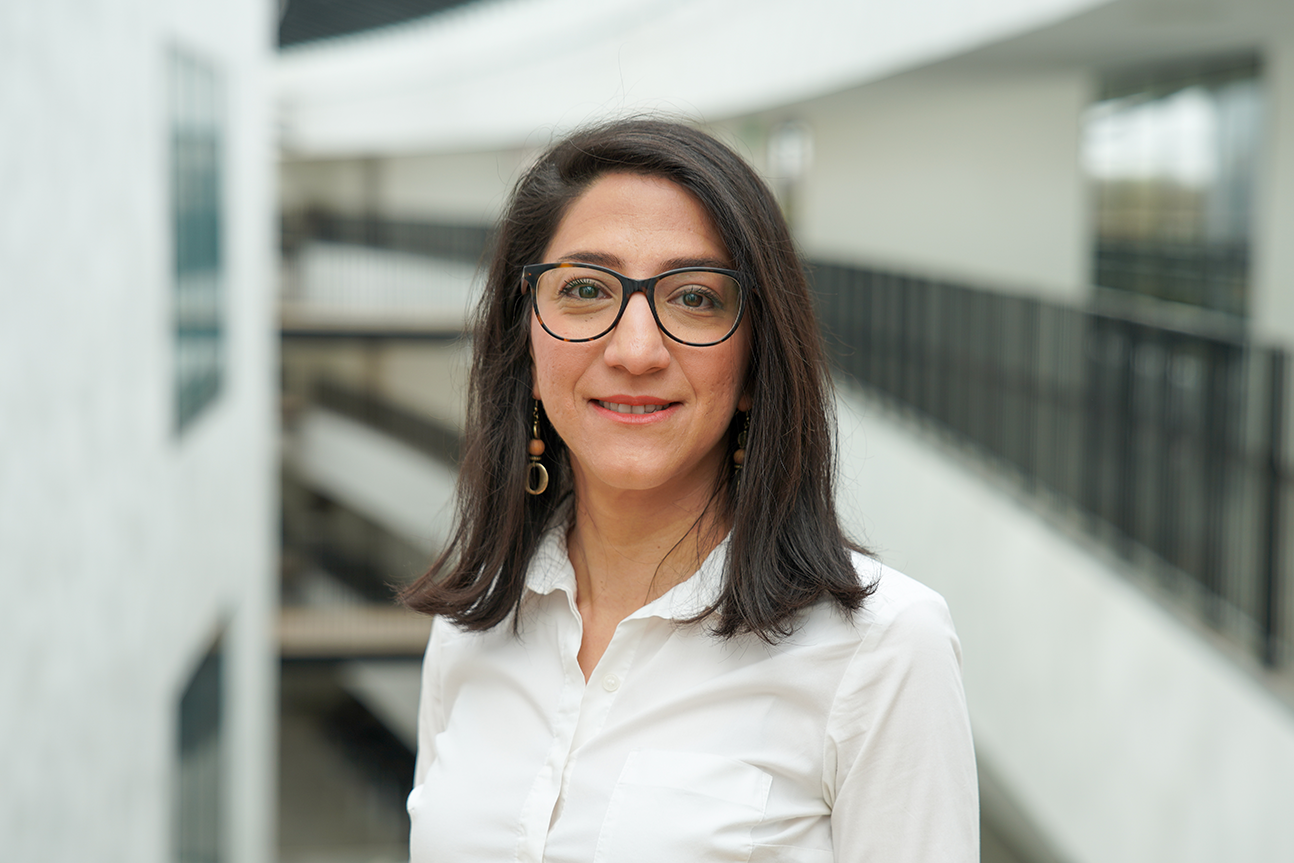
Associate professor Azadeh Fattahi.
An international collaboration
ARRAKIHS is developed through a collaboration between ESA and the ARRAKIHS Mission Consortium (AMC), led by Prof. Rafael Guzmán from the Instituto de Física de Cantabria (IFCA, CSIC–UC).
The consortium includes more than 250 scientists and engineers from seven ESA member states led by Spain, including Austria, Belgium, Norway, Portugal, Sweden and Switzerland, together with additional contributions from institutions and companies in the United Kingdom, France, Denmark, the Netherlands, the United States, Taiwan and Thailand. Part of the Swedish contribution is funded by the Swedish National Space Agency.
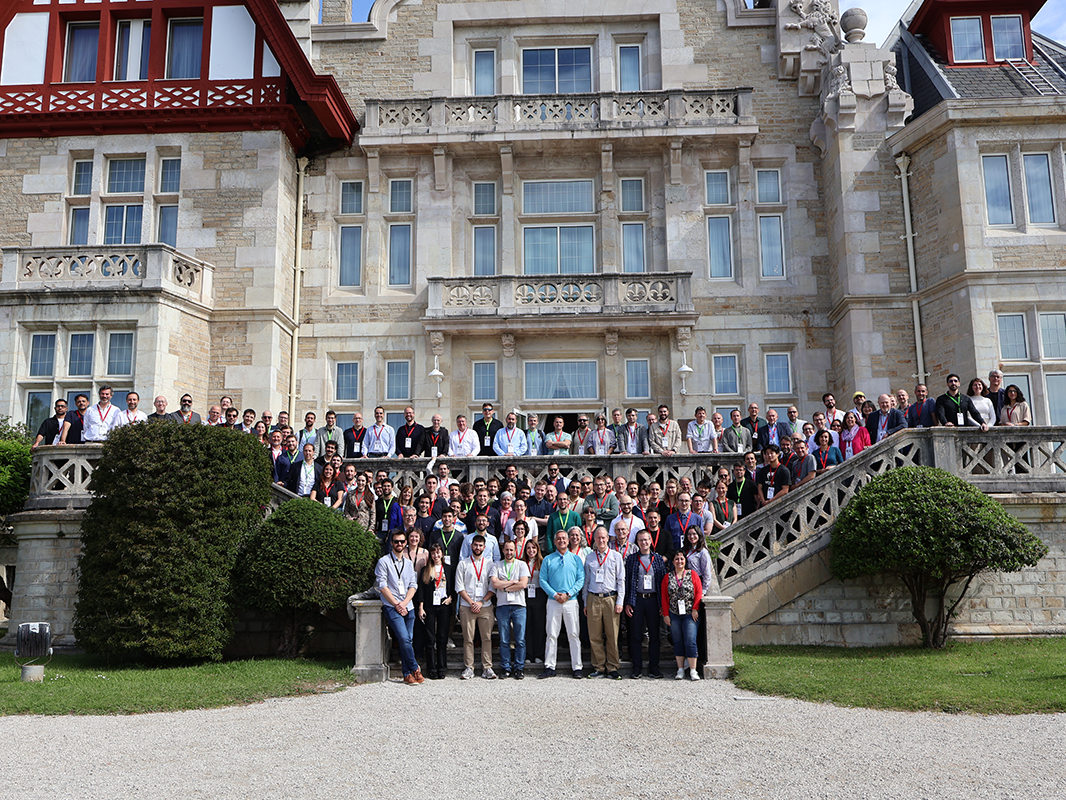
Family photo at the 5th ARRAKIHS Consortium Meeting
From concept to adopted mission
Over the past few years, the international ARRAKIHS consortium has transformed a highly ambitious scientific concept into a fully established space mission within ESA’s Science Programme. This progress has been supported by major scientific and technological achievements, including developing new, high-resolution cosmological simulations and galaxy models, design of key subsystems of the flight instrument, the initial development of the ground-based infrastructure for scientific data and data analysis systems, and the operation of a ground demonstrator camera installed at the Javalambre Astrophysical Observatory, the acquisition of increasingly deep observations that further strengthen the mission’s scientific case.
With its official adoption by ESA, ARRAKIHS is now entering the construction phase in preparation for its launch in 2030.
Last updated: 2026-06-11
Source: OKC