


Can the law give branded clothes a new lease of life?
When old garments are transformed into new products, the use of logos can raise questions about trade mark infringement. But reusing branded clothing does not necessarily conflict with law. In his research, doctoral researcher Spyros Sipetas explores how the existing legal framework can accommodate more sustainable fashion practices.
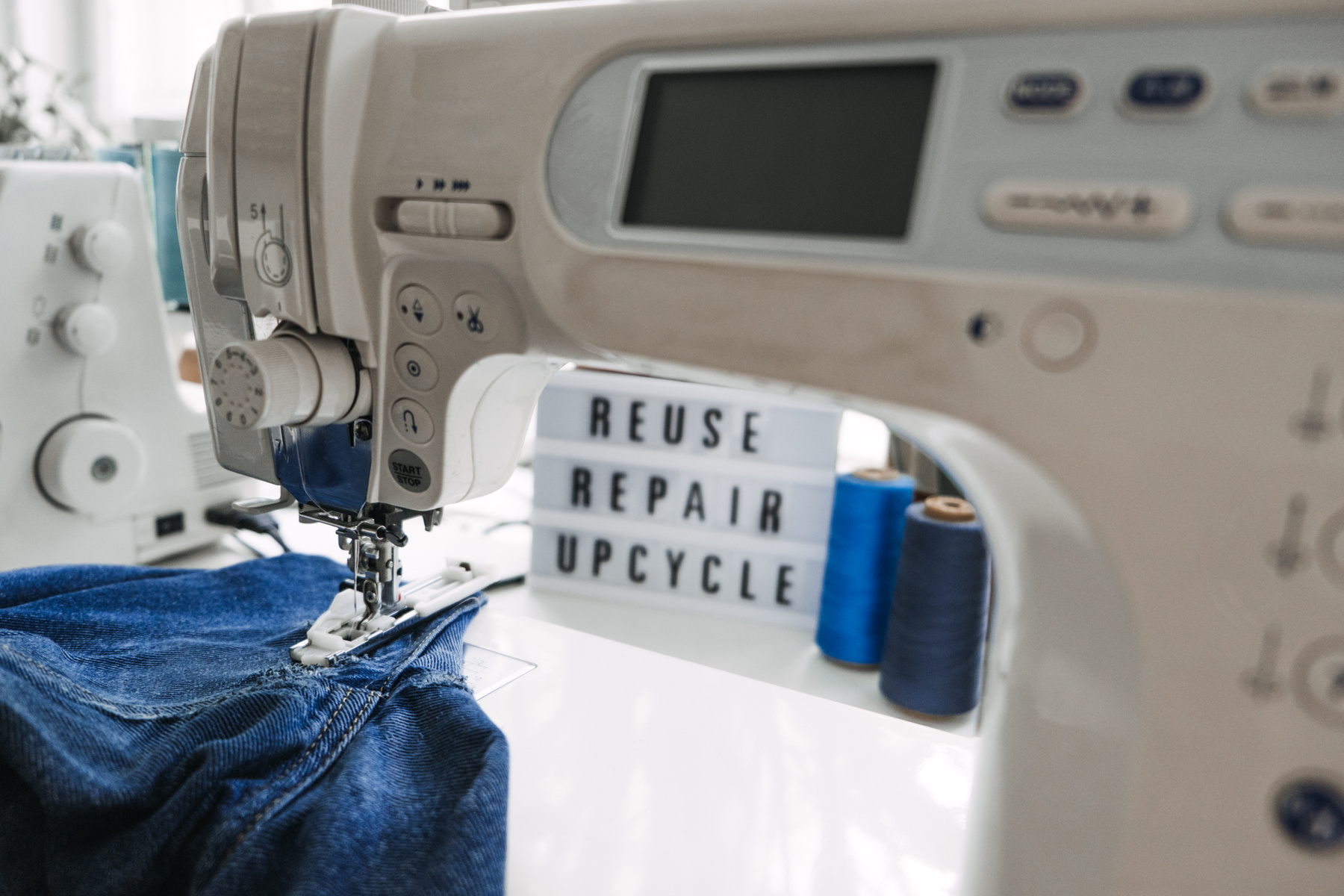
Around five million tonnes of textiles are discarded in the EU each year. Reuse and upcycling can help extend the lifespan of garments. Photo: Iryna Khabliuk / Mostphotos
Giving old clothes a new lease of life by altering, combining or transforming them is part of the fashion industry's transition towards more sustainable production and consumption patterns. But when a garment is redesigned, legal questions can arise. For example, what happens if a pair of branded jeans is turned into a jacket and the original logo is left in place? Could this constitute trade mark infringement?
This is one of the questions explored by Spyros Sipetas, doctoral researcher in Intellectual Property Law at the Department of Law, Stockholm University. His research examines the role of intellectual property rights in the fashion industry, including how they are affected by sustainability requirements, digitalisation and changing market practices.
In a recent research article, he focuses on how EU trade mark law applies to what is known as upcycling – the practice of giving existing garments and materials a new lease of life by transforming them into something new.
When does a trade mark count as being used?
In his article Upcycling and Trade Mark Use under EU Law, Spyros examines what it takes for a trade mark to be considered used in the legal sense – a question that is central to determining whether infringement has occurred.
Discussions about upcycling have often focused on the exceptions or legal arguments that can be invoked to defend reuse when it risks conflicting with trade mark protection. Spyros takes a step back and examines an earlier stage of the legal assessment: whether the activity constitutes trade mark use in the first place.

Spyros Sipetas. Photo: Private
“If a logo simply remains visible on reused material and the person altering the garment takes no steps to feature it in the presentation or marketing of the new product, the rules on trade mark infringement may not come into play at all,” he explains.
According to Spyros, a key factor is whether the person reusing the material actively uses the trade mark as part of their own commercial communication. The mere presence of a logo on a redesigned garment does not necessarily mean that the person reusing it is using the trade mark in the legal sense.
When the logo becomes a selling point
The distinction can be illustrated by two examples. A designer who turns a second-hand branded shirt into a skirt and leaves the original logo in place does not necessarily use the trade mark in the legal sense.
If, however, the designer moves the logo to make it more prominent or highlights the original brand in their marketing, the situation may be assessed differently.
“When the upcycler’s own choices turn the logo into a selling point, that can indicate that they are making the original brand part of how they present or market the new piece,” says Spyros.
This goes to show that not all forms of upcycling are permitted. A trade mark owner may have grounds to object if ‘use’ is established and it takes unfair advantage of the mark’s reputation or is likely to make consumers think that the original brand was involved.
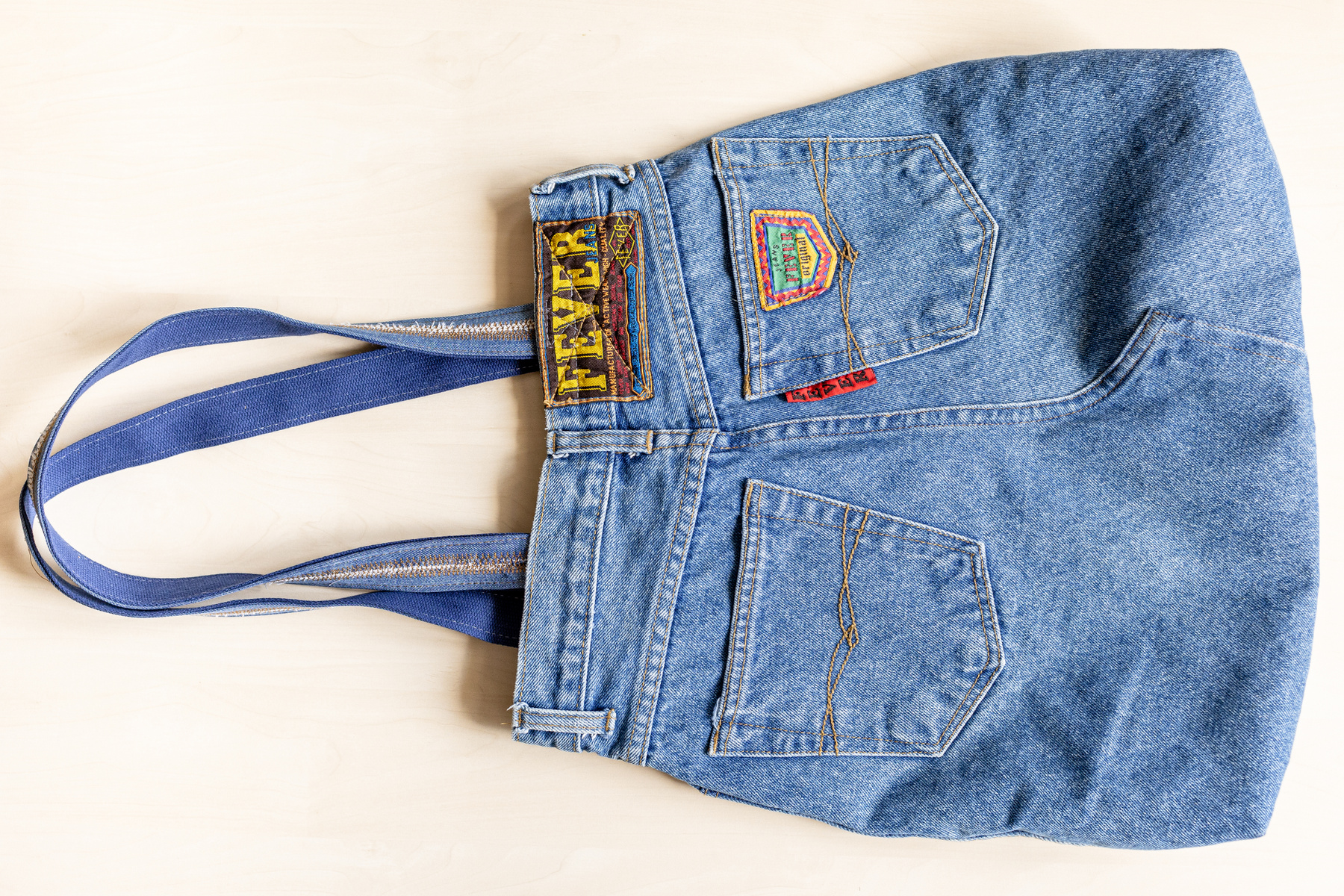
Is it clear to consumers who is behind the new product? The bag is an example of upcycling, in which a pair of jeans has been transformed while retaining some of the original garment’s distinctive features. Photo: Valeriy Voennyy / Mostphotos
Existing rules can make room for sustainable fashion
A central conclusion of Spyros's research is that existing EU trade mark law can already accommodate many forms of sustainable upcycling. That is to say, the existing rules and their interpretation as regards what counts as trade mark use may already leave room for reuse without a specific exception or new legislation.
“I would look at how the product is designed and sold, from where the logo is placed to what appears in product images, descriptions, and social media tags,” says Spyros.
For designers and businesses working with upcycling, this means paying attention not only to how a product is transformed, but also to the role the original brand plays in the new product. Does the logo serve as a way of marketing the product, or does it simply remain as part of the material being reused? That distinction can matter when the legal position is assessed.
Law as part of the transition to a circular economy
At a broader level, the research concerns how existing legal rules can be applied as new societal needs emerge. As sustainability and the circular economy become increasingly important, questions also arise about how intellectual property law relates to reuse and new business models.
According to Spyros Sipetas, it is important to first explore the possibilities already available within existing legislation before considering new regulation. This reasoning may also be relevant beyond the fashion industry, in other contexts where products and materials are given a new lease of life through reuse.
Overall, Spyros's analysis shows how existing rules can help reconcile two interests that may sometimes appear to be in conflict: protecting trade marks and enabling more sustainable use of resources.
Read the article Upcycling and Trade Mark Use under EU Law
Read more about Spyros Sipetas
Text: Natalie Oliwsson
Last updated: 2026-11-17
Source: Department of Law